
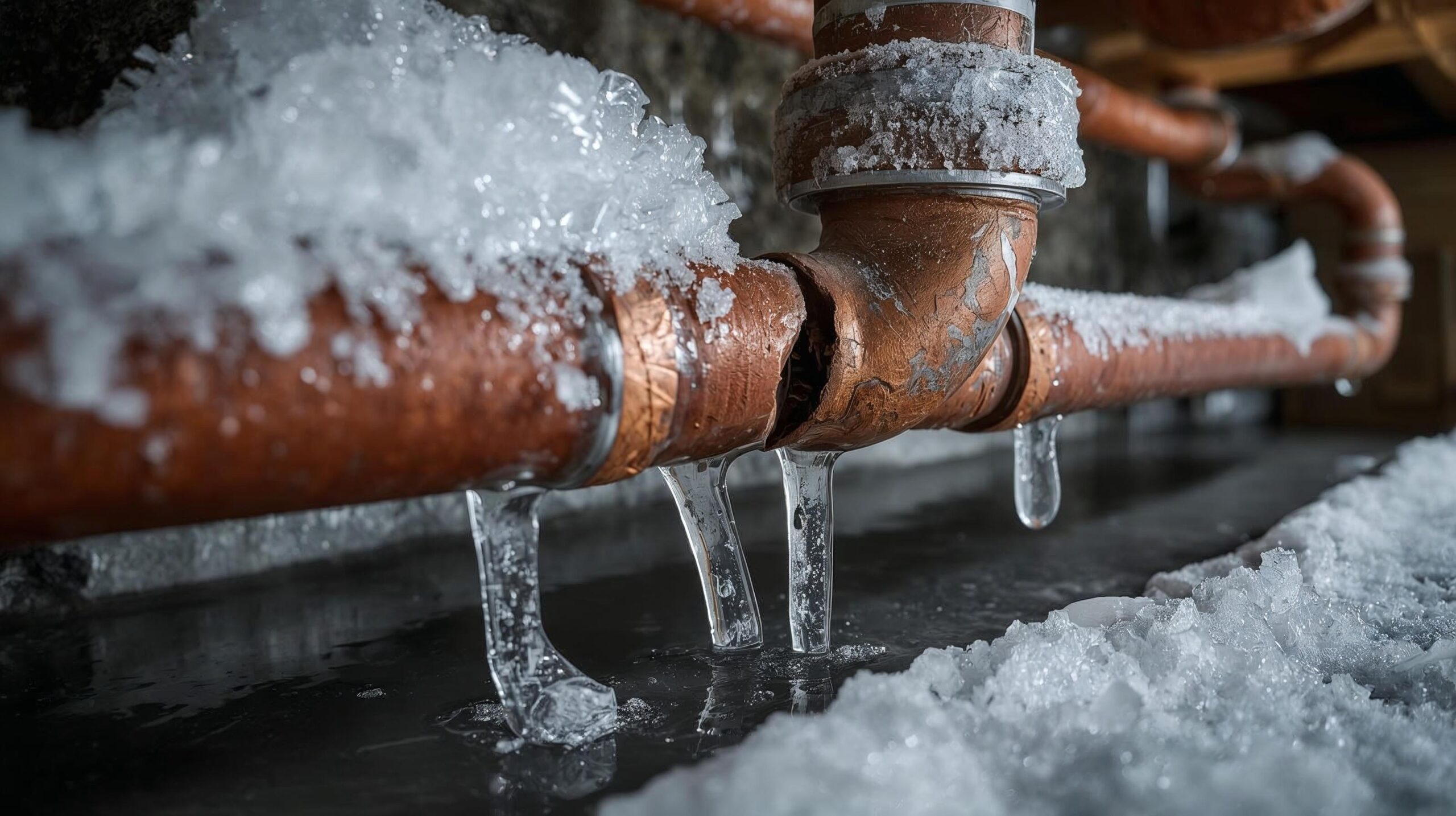
Do frozen pipes always burst? Not always, but when they do, the damage can be extensive, expensive, and stressful to deal with. In the Ohio Valley, where temperatures regularly plunge well below freezing throughout winter, the risk of frozen and burst pipes is a very real concern for homeowners in Warren, Niles, Youngstown, Howland, Austintown, Lordstown, Canfield, and Cortland. Understanding why pipes freeze, what determines whether they burst, and how to respond quickly can make the difference between a minor inconvenience and a catastrophic water damage event.
If you suspect a frozen or burst pipe in your home, contact Americon Restoration of The Ohio Valley immediately for fast, local emergency water damage restoration service available 24/7.
Why Frozen Pipes Don’t Always Burst
It’s a common misconception that a frozen pipe automatically means disaster. While freezing water does expand inside your plumbing and build internal pressure, not every frozen section will rupture. Whether a pipe actually bursts depends on several key factors.
1. Pipe Material
Metal pipes, copper and galvanized steel are rigid and more prone to cracking when pressure builds inside them. PEX plastic pipes, common in newer or recently remodeled Ohio Valley homes, are more flexible and can expand slightly without splitting. That said, no pipe material is fully immune to the extreme cold that settles over the Ohio Valley each winter.
2. Location of the Pipe
Pipes in unheated or poorly insulated spaces are at the highest risk. Crawl spaces, attics, exterior walls, garages, and basements are all vulnerable during the harsh Ohio Valley winters. Even a brief cold snap that drops overnight temperatures into the single digits — a common occurrence in Youngstown, Niles, and Warren can be enough to freeze an unprotected pipe solid.
3. Degree and Duration of Freezing
A brief temperature dip might produce minor ice buildup with little real risk. But when Ohio Valley temperatures sustain below 20°F for extended periods, as they routinely do from December through February, water inside pipes can freeze completely solid. The longer the freeze, the higher the internal pressure, and the greater the chance of a rupture.
4. Pressure Relief
If a faucet or valve is open, expanding ice has somewhere to push pressure, which can prevent a burst. But when all outlets are closed and trapped pressure has nowhere to go, the pipe wall eventually gives way, sometimes immediately, and sometimes hours after the thaw begins.
The bottom line: frozen pipes don’t always burst, but the risk is serious and very real in the Ohio Valley. Prevention and fast response are your best defenses against costly water damage.
The Hidden Dangers of Frozen Pipes in the Ohio Valley
Even if a frozen pipe doesn’t burst immediately, that doesn’t mean you’re in the clear. Many homeowners across Howland, Austintown, and Cortland discover the real damage only after the ice begins to thaw. As temperatures rise, water flows back through the pipe and escapes through small cracks created by earlier pressure buildup. What starts as a slow drip can quickly soak drywall, subfloor, and insulation — and mold can begin developing in as little as 24 to 48 hours of exposure.
Signs You May Have a Frozen or Leaking Pipe
- A sudden drop in water pressure or no flow at all from a faucet
- Discolored water or air sputtering from fixtures
- Water stains, bubbling paint, or warped drywall on walls and ceilings
- Damp or musty odors indicating hidden moisture or early mold growth
- Unusual sounds like dripping, gurgling, or hissing inside walls
- Frost or ice visible on exposed pipes in basements or crawl spaces
At Americon Restoration of The Ohio Valley, our certified technicians specialize in locating hidden leaks and moisture, removing standing water, and fully drying affected structures before secondary damage, especially mold, has a chance to take hold. Whether you’re dealing with a burst pipe in Warren or a slow hidden leak in Canfield, our mission is to restore your property safely and efficiently.
How to Prevent Frozen Pipes from Bursting
Ohio Valley winters are no stranger to sustained deep freezes and polar vortex events. That makes pipe insulation and prevention non-negotiable for homeowners in Warren, Niles, Youngstown, and surrounding communities. Here are expert tips from Americon Restoration of The Ohio Valley to help protect your plumbing all season long.
1. Insulate Exposed Pipes
Apply foam pipe insulation or heat tape to pipes in unheated areas, particularly crawl spaces, attics, garages, and exterior walls. In older homes common throughout the Ohio Valley, this single step can dramatically reduce your risk during a hard freeze.
2. Maintain a Consistent Indoor Temperature
Even when you’re away or traveling, keep your thermostat set to at least 55°F. Consistent indoor heat prevents pipes inside your walls and cabinets from dropping to dangerous levels overnight, a critical precaution during Ohio Valley cold snaps.
3. Open Cabinet Doors Under Sinks
Allow warm air to circulate around pipes under sinks, especially those on exterior walls. This is a simple, no-cost step that can make a real difference when temperatures plunge overnight in Howland, Lordstown, or Austintown.
4. Let Faucets Drip During Extreme Cold
Running water, even a slight trickle, prevents pressure buildup and reduces the chance of ice formation. During extreme cold events, let faucets on exterior walls drip slightly overnight. This is one of the most effective and low-cost prevention strategies available to Ohio homeowners.
5. Seal Drafts Around Your Foundation and Vents
Inspect your home for gaps or cracks near windows, vents, and the foundation. Use caulk or weatherstripping to seal areas where cold air enters. In older Ohio Valley homes, drafts near the basement or crawl space can have a dramatic impact on pipe temperatures during a hard freeze.
6. Disconnect and Drain Outdoor Hoses Before Winter
Water left sitting in exterior hose bibs and spigots can freeze and back up into your indoor plumbing. Before the first freeze each season, disconnect garden hoses, shut off the exterior spigot valve, and drain any remaining water, especially important for homes in Cortland and rural parts of the Ohio Valley where temperatures can drop faster and hold lower for longer.
If you do discover a frozen pipe, never use open flames or propane torches to thaw it, this is a serious fire hazard. Apply gentle heat using a hair dryer, heat lamp, or warm towels instead. If the pipe looks cracked or you’re unsure of its condition, call a licensed professional right away.
What to Do If a Frozen Pipe Bursts
When a pipe bursts, every minute counts. Water spreads fast and can saturate flooring, walls, electrical systems, and personal belongings within hours. The faster you respond, the better your chances of preventing long-term structural damage and mold growth.
Step 1: Shut Off Your Main Water Supply
Locate your home’s main water shut-off valve and turn it off immediately. It’s typically found near the water meter, in the basement, or where the main line enters your home. Knowing its location before an emergency happens can save precious minutes when it matters most.
Step 2: Turn Off Electricity in Affected Areas
If water is near outlets, appliances, or electrical panels, cut power to that area from your breaker box. Water and electricity are a dangerous combination, and this step should never be skipped.
Step 3: Open Faucets to Relieve Remaining Pressure
Open all faucets in the affected area to drain remaining water from the pipes. This relieves pressure and reduces the volume of water that can continue leaking as temperatures rise.
Step 4: Document the Damage for Your Insurance Claim
Take detailed photos and video of all visible damage before any cleanup begins. Proper documentation is critical for your homeowner’s insurance claim and can help ensure full coverage for restoration services.
Step 5: Call a Professional Water Damage Restoration Team
Even after stopping the water flow, hidden moisture trapped inside walls, flooring, and insulation can lead to serious mold and structural damage over time. Americon Restoration of The Ohio Valley provides 24/7 emergency water removal, structural drying, and mold remediation. Our team uses industrial-grade dehumidifiers, air movers, and moisture meters to fully restore your home — not just clean up the surface.
Do Frozen Pipes Always Burst Near Me in the Ohio Valley?
If you’re searching for answers about frozen pipes near you in the Ohio Valley, the honest answer is: it depends on your home’s insulation, pipe material, and how cold it gets, and for how long. What isn’t up for debate is that homeowners in Warren, Niles, Youngstown, Howland, Austintown, Lordstown, Canfield, and Cortland live in a region that sees the kind of sustained, deep-freeze winters that create ideal conditions for pipes to freeze and burst.
When water damage strikes, acting within the first few hours is critical to preventing mold, preserving your home’s structure, and keeping your overall restoration costs manageable. Americon Restoration of The Ohio Valley is local, certified, and fully equipped to respond to water damage emergencies across the entire Ohio Valley region day or night, weekday or weekend.
Whether you’re searching for “burst pipe repair near me” or “water damage restoration near me” in Trumbull or Mahoning County, Americon Restoration of The Ohio Valley is the trusted local team to call. We understand the unique challenges of Ohio Valley winters and are committed to protecting the homes and families in our community.
FAQs About Frozen Pipes and Water Damage in the Ohio Valley
1. At what temperature do pipes freeze in Ohio?
Pipes can begin to freeze when outdoor temperatures fall to 20°F or below, particularly in uninsulated or exposed areas. In the Ohio Valley, where temperatures can dip into the single digits during severe winter events, the risk is significant. Pipes on exterior walls or in unheated crawl spaces are most vulnerable.
2. How can I tell if my pipes are frozen?
The most common sign is little to no water coming from a faucet despite the supply being on. Frost on visible pipes, a bulging pipe wall, or strange gurgling and hissing sounds from inside walls are also strong indicators. If you notice any of these signs during winter, act quickly.
3. What should I do first if I find a frozen pipe?
Shut off your main water supply immediately to prevent flooding if the pipe has already cracked. Then apply gentle heat using a hair dryer or warm towels — never open flames. If you’re unsure whether the pipe has been damaged, call Americon Restoration of The Ohio Valley for a professional inspection before attempting to thaw it.
4. How fast can mold grow after a burst pipe?
Mold can begin developing in as little as 24 to 48 hours in damp conditions. That’s why professional structural drying and dehumidification are essential after any water damage event, surface cleanup alone is not enough to prevent mold growth hidden inside walls and under flooring.
5. Can a frozen pipe burst after it thaws?
Yes, and this is one of the most misunderstood aspects of frozen pipe damage. When ice thaws, it can expose cracks and weak points caused by earlier pressure buildup. A pipe may appear intact while frozen but begin leaking or rupturing as temperatures rise. Monitoring your water pressure during and after a cold snap is critical.
Protect Your Ohio Valley Home Before It’s Too Late
In the Ohio Valley, frozen pipes aren’t a rare worst-case scenario, they’re a genuine winter reality for homeowners across Warren, Niles, Youngstown, Howland, Austintown, Lordstown, Canfield, and Cortland. A single burst pipe can release thousands of gallons of water into your home in just hours, damaging drywall, flooring, belongings, and creating ideal conditions for mold growth throughout your structure.
By taking preventive steps now, recognizing the early warning signs, and knowing exactly who to call when things go wrong, you can protect your home from one of winter’s most destructive and costly threats.
Americon Restoration of The Ohio Valley provides trusted water damage restoration, mold remediation, and 24/7 emergency response services throughout the entire Ohio Valley region. Our certified restoration experts are local, fully equipped, and ready to respond fast when you need us most. Don’t wait for a minor frozen pipe to become a major disaster, visit our website or contact us today to get expert help right now.
 Loading...