Storm Damage Restoration in Cleveland, OH: A Step-by-Step Recovery Guide
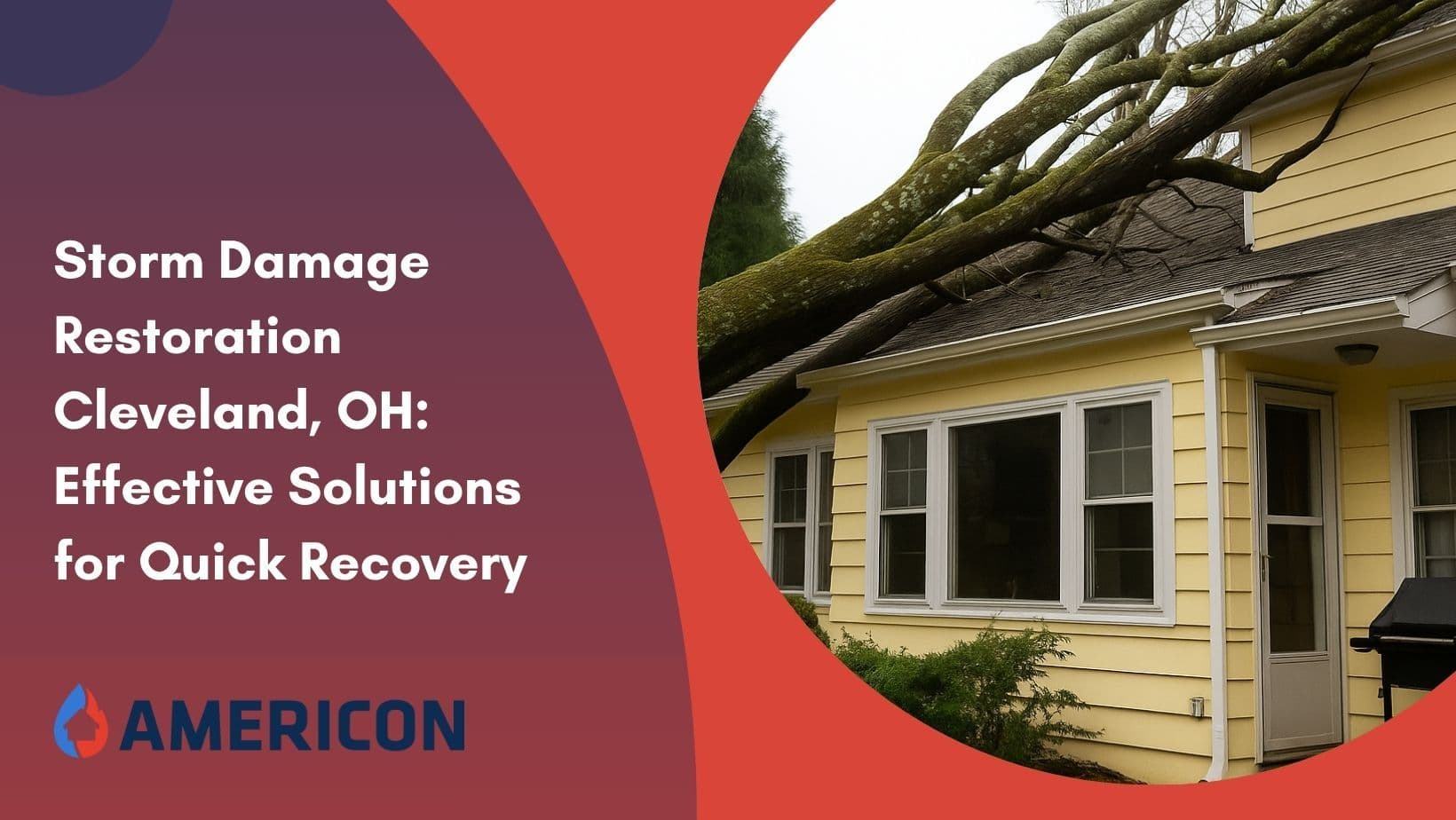
Wind, hail, and flooding can hit a property on every side at once. Here's how storm damage restoration helps Cleveland homes bounce back.
Wind, hail, and flooding can hit a Cleveland property on every side at once, and the damage rarely stops when the storm does. Water keeps spreading, a weakened roof keeps leaking, and mold can start growing within 24 to 48 hours. That is why storm damage restoration is as much about speed as it is about repairs.
This guide walks through the full process: what storm damage restoration involves, how fast help should arrive, the steps a professional crew follows, how to choose the right company in Cleveland, and what you can do before the next storm to limit the damage.
What Is Storm Damage Restoration and Why Is It Important?
Storm damage restoration is the work of returning a home or business to its pre-storm condition after wind, heavy rain, hail, or a combination of all three. It covers everything from emergency roof tarping and water removal to structural repairs that make the building safe to live or work in again.
Delay is what turns a repair bill into a rebuild. Standing water weakens foundations and framing. Wet insulation and drywall become mold colonies. Damaged wiring becomes an electrical hazard. The longer storm damage sits, the more it spreads and the more it costs, so a fast, professional response protects both the property and the people in it.
For fast storm damage repair in Cleveland, Ohio, call Americon Restoration at (330) 238-3927.
Types of Storm Damage and What Delay Costs You
Wind Damage — Risk of delay: roof damage, broken windows, structural weakening. Preventive measures: reinforce windows, maintain roofing systems.
Water Damage (Flooding) — Risk of delay: mold growth, weakened foundation, electrical hazards. Preventive measures: install sump pumps, check drainage systems.
Hail Damage — Risk of delay: cracked windows, damaged roofs, siding issues. Preventive measures: install storm windows, inspect roofs regularly.
Lightning Damage — Risk of delay: fire hazards, electrical system failure. Preventive measures: install surge protectors, maintain wiring.
How Fast Should Help Arrive? Response Times to Expect
Most homeowners have no idea what a good response time looks like, so here are the benchmarks a professional storm damage company should meet.
Emergency stabilization comes first. Roof tarping, board-up of broken windows and doors, and securing any part of the structure that is open to the weather should happen within hours of your call, on the same day. This step stops the damage from getting worse while the full restoration is planned.
Water extraction follows immediately once the crew is on site. Standing water is pumped out the same day, because every hour it sits adds to the drying time and the mold risk.
Drying and dehumidification start on the same visit and typically run for several days, with air movers and dehumidifiers working around the clock until moisture readings are back to safe levels.
Repairs and rebuilding are scheduled once the structure is dry. Timelines depend on the scope: a patched roof section is days, while major structural work runs longer. A good company gives you this timeline in writing after the assessment, not a guess over the phone.
The Storm Damage Restoration Process, Step by Step
Step 1: Assessment and Inspection
A restoration team inspects the whole property, including the damage you cannot see: leaks inside walls, soaked insulation, and structural weakening. This assessment decides what gets stabilized first and forms the documentation your insurance claim will need.
Step 2: Emergency Board-Up, Tarping, and Containment
Before any cleanup starts, the crew secures the property. Broken windows and doors are boarded, damaged roof sections are tarped, and affected areas are contained so water, debris, and contaminants do not spread into undamaged parts of the building. Skipping this step is how a one-room problem becomes a whole-house problem.
Step 3: Water Extraction and Drying
Pumps and extraction tools remove standing water, then air movers and dehumidifiers dry the structure. Moisture levels are checked as drying progresses, because drying too fast or stopping too early leaves hidden damp that feeds mold later.
Step 4: Cleaning and Sanitizing
Once dry, the affected areas are cleaned and sanitized. Debris and soot are removed from walls, floors, and surfaces, and antimicrobial treatments deal with bacteria and contaminants the storm water brought in.
Step 5: Structural Repairs and Rebuild
Finally, the property is repaired and rebuilt: roof sections patched or replaced, broken windows replaced, damaged walls rebuilt. The goal is a property that is safe, stable, and back to its pre-storm condition.
Choosing the Right Storm Damage Restoration Company in Cleveland
24/7 Availability
Storms do not keep office hours. A company offering 24/7 emergency response can start stabilization the same day, which is the single biggest factor in keeping the final bill down.
Certification and Experience
Look for IICRC certification. IICRC-certified technicians follow industry standards for inspection, cleaning, and restoration, and experience with Cleveland weather patterns matters: lake-effect storms and freeze-thaw cycles damage buildings in specific ways a local crew will recognize.
Advanced Equipment
Professional extraction pumps, industrial dehumidifiers, air scrubbers, and moisture meters are not optional extras. They are how a crew dries a structure properly instead of just drying what is visible.
Insurance Assistance
Filing a storm claim involves documentation, photos, and adjuster meetings. A good restoration company handles the paperwork with you and works directly with your insurance representative, which speeds the claim and reduces disputes.
Reviews and Reputation
Check reviews and ask for references. A company that restores storm damage across the Cleveland area will have a track record you can verify before you need them.
How to Prepare for Storms and Minimize Damage
You cannot control the weather, but you can control how much damage it does.
Inspect Your Roof
Check for missing or damaged shingles and tiles, and repair them before storm season. Most interior storm water damage starts with a roof weakness that was already there.
Install a Sump Pump
If your basement has ever flooded, a sump pump is essential. Test it regularly so it works on the day the storm actually brings water.
Clear Gutters and Downspouts
Clogged gutters push water against the foundation. Clean them consistently and make sure downspouts direct water away from the house.
Install Moisture Detectors
Water leak sensors and moisture detectors catch leaks early, while the damage is still small. Placed near water heaters, sump pits, and basement walls, they turn a flooded basement discovery into a minor fix.
Build an Emergency Kit and Plan
Keep an emergency kit with food, water, medicines, and copies of important documents. Agree on a family or business emergency plan: how you exit, where you go, and who you call if a storm escalates.
Frequently Asked Questions
What should I do first after storm damage?
Make sure everyone is safe, and do not enter areas with structural damage or standing water near electrical systems. Take photos and video of everything before you move or clean anything, because that documentation supports your insurance claim. Then call your insurer and a restoration company: the sooner tarping and water extraction start, the less secondary damage you will have.
Does homeowners insurance cover storm damage?
Standard homeowners policies usually cover wind and hail damage. Flood damage from rising water is different: it is normally excluded and requires a separate flood insurance policy. That gap surprises homeowners every storm season, so check your policy before you need it. Our guide to understanding the insurance process walks through how claims work after property damage.
How long does storm damage restoration take?
Emergency stabilization and water extraction happen the same day. Drying usually takes several days. Repairs depend on the scope of the damage, from a few days for minor roof and window work to several weeks for major structural repairs. After the assessment, your restoration company should give you a written timeline.
Fast and Reliable Storm Damage Restoration in Cleveland
Storms can cause serious damage, but acting quickly and calling professionals keeps it from defining your next six months. Americon Restoration handles wind and hail damage, flooding, and fallen trees across the Cleveland area, with the equipment and certified crews to assess, stabilize, dry, and rebuild your property.
If wind, rain, or hail has damaged your Cleveland home or business, do not wait for the damage to spread. Contact Americon Restoration today at (330) 238-3927 for fast recovery.