
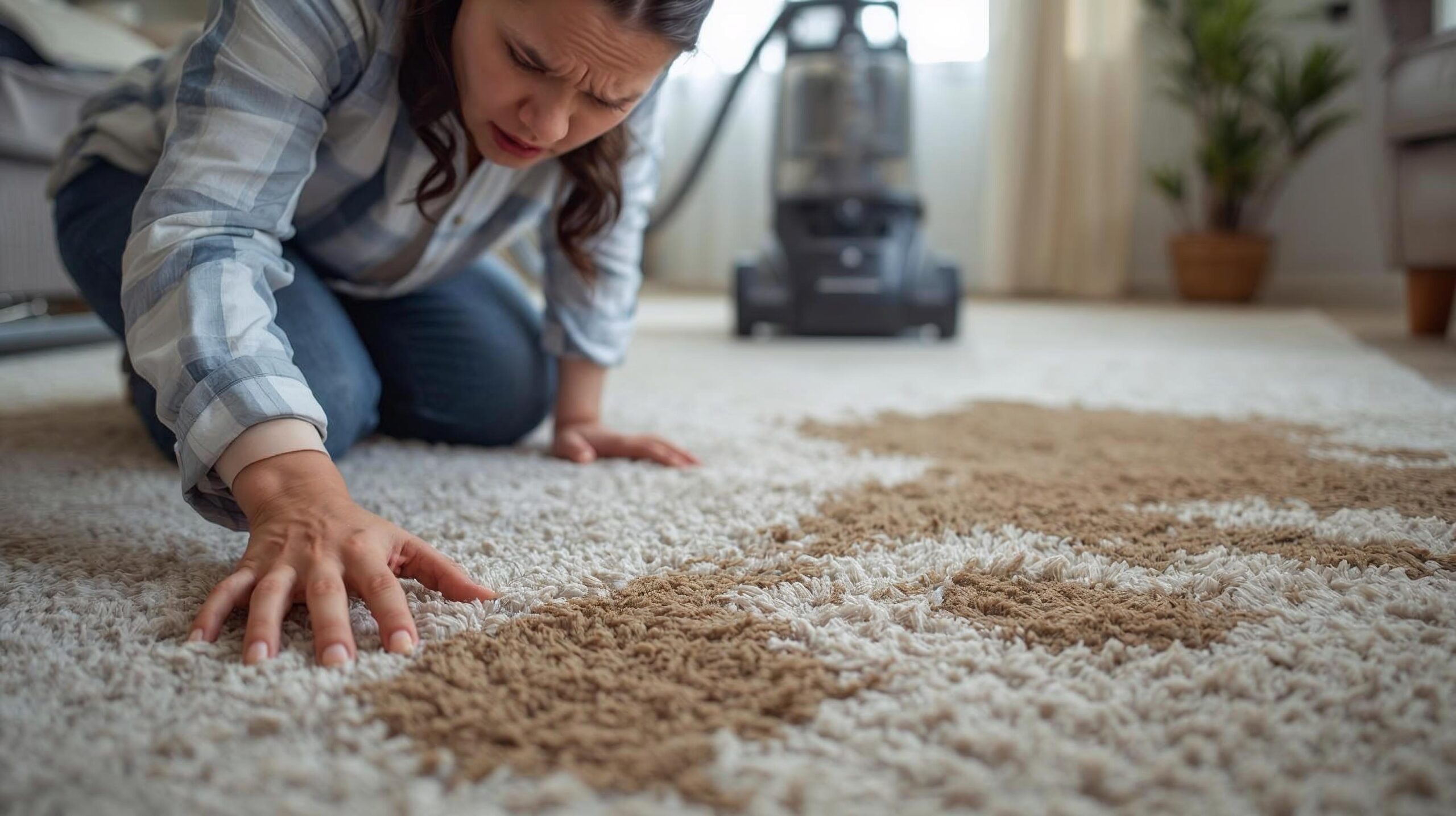
Can carpet cleaning cause mold? This is a question homeowners throughout the Ohio Valley ask when they notice musty smells or damp carpet after steam cleaning. Carpets are designed to hold onto moisture, and when too much water sinks into the padding or the subfloor, mold can grow quickly. This is why choosing the right cleaning method and ensuring proper drying is essential for protecting your home, your health, and the lifespan of your flooring.
If you’re dealing with mold or water damage after carpet cleaning, contact Americon Restoration of The Ohio Valley for fast, local help available 24/7. Find us on Google or reach out on our website.
Understanding How Carpet Cleaning Can Lead to Mold Growth
Most homeowners don’t expect carpet cleaning to create a mold problem, but it can happen when moisture becomes trapped and cannot escape. Carpets, padding, and subflooring act like layers of a sponge. When excess water is introduced during the cleaning process but not fully extracted, moisture lingers deep within the materials. In the right conditions, mold begins to develop in as little as 24 to 48 hours.
DIY carpet cleaning machines are one of the most common causes of moisture problems. These machines release more water than they can extract, leaving the carpet damp for extended periods. Professional-grade equipment uses controlled moisture and strong suction to prevent over-wetting, reducing the risk of mold substantially.
Ohio Valley weather also plays a role.
While the region experiences dry stretches, humidity levels can spike significantly during summer months, particularly in areas like Youngstown, Warren, and Niles. When humidity is high, carpets take much longer to dry, which dramatically increases mold risk. Homes with poor ventilation or limited airflow face the same challenge. Without proper circulation, moisture stays trapped and cannot evaporate fast enough.
After cleaning, one of the first signs of improper drying is a musty or earthy smell. Other indicators include cold or damp spots underfoot, uneven carpet texture, or visible discoloration. If any of these symptoms appear, moisture may be trapped below the surface.
Understanding how moisture becomes trapped is the first step in preventing mold growth after carpet cleaning.
Common Causes of Mold After Carpet Cleaning
While carpet cleaning is beneficial for removing dirt, allergens, and stains, certain mistakes allow mold to take hold. Here are the most common causes Ohio Valley homeowners should be aware of.
Too Much Water Applied During Cleaning
When a cleaner saturates a carpet, water flows past the fibers and deep into the padding. Padding is thick and dense, and once it absorbs water, drying takes significantly longer. Even professional cleaning methods can cause issues when equipment is improperly used or calibrated.
Poor Water Extraction
Many DIY rental units simply don’t have the power to pull water back out of the carpet effectively. Homeowners may unknowingly leave behind several gallons of moisture that settle invisibly under the surface.
Hidden Water Damage Beneath the Carpet
If a pipe leak or previous flooding has occurred, something not uncommon in Ohio Valley homes during winter, moisture may already be trapped under the carpet. Cleaning introduces new water, which can activate and spread mold that was already present beneath the surface.
Humidity Inside Ohio Valley Homes
The Ohio Valley experiences warm, humid summers. Mold thrives when indoor humidity rises above 60 percent, making thorough drying far more difficult, especially in homes without central air conditioning or a dehumidifier running.
Older Carpeting and Thick Padding
Thicker padding retains moisture longer than thinner materials. Older carpet fibers also lose their ability to release water efficiently over time, making them more susceptible to mold growth after any cleaning.
Slow Drying Time
The faster a carpet dries, the safer it is. When drying takes more than 24 hours, the risk of mold increases dramatically. Closed windows, lack of fans, and poor ventilation all slow the process, which is a particular concern in older Ohio Valley homes with limited airflow.
Mold Growth Timeline
Mold can begin forming within 24 to 48 hours. By the third day, it can spread deeper into the padding and subfloor. After one week, the structure beneath may require professional removal and remediation to fully address.
Understanding these causes helps Ohio Valley homeowners avoid simple mistakes that lead to costly and disruptive repairs.
How To Prevent Mold When Cleaning Your Carpets
Preventing mold issues begins before the cleaning process even starts. Whether you’re doing the job yourself or hiring a professional, the steps below are essential to ensure your carpets dry quickly and safely in the Ohio Valley’s climate.
Pre-Cleaning Inspection
Always inspect the carpet for signs of moisture, dark staining, or musty odors before cleaning. These can indicate existing mold that must be addressed before any additional water is introduced.
Use Controlled Moisture Techniques
Professional services like Americon Restoration of The Ohio Valley use equipment that carefully controls how much water is applied during the cleaning process. This helps avoid saturation and significantly reduces drying time.
Strong Water Extraction
High-powered suction equipment is the single most important factor for preventing mold after cleaning. The less water left behind in the carpet and padding, the lower the risk.
Increase Airflow Immediately
Open windows, run fans, activate ceiling fans, and consider using floor blowers directly after cleaning. Air movement is essential for rapid drying and should begin right away, not hours later.
Use a Dehumidifier
A dehumidifier removes excess moisture from the air, allowing the carpet to dry significantly faster. This is especially useful during Ohio Valley summers or in naturally humid spaces like finished basements common throughout Warren, Howland, and Cortland.
Avoid Cleaning During Humid Weather
If outdoor or indoor humidity is elevated, schedule carpet cleaning for a drier day when conditions support faster evaporation. Cleaning during a humid Ohio Valley summer day without proper dehumidification can make the drying process extremely difficult.
Do Not Walk on the Carpet While It Dries
Foot traffic pushes moisture deeper into the carpet and padding. Avoid walking on cleaned areas until the carpet is fully and completely dry.
Professional Cleaning Reduces Mold Risk
Professionals are trained to balance moisture levels, improve drying times, and identify early signs of underlying moisture issues. They also use industrial air movers and dehumidifiers when needed to ensure a thorough, safe result.
When You Should Avoid Carpet Cleaning Entirely
If you suspect existing mold, visible growth, strong odors, or moisture trapped beneath the carpet, cleaning without a professional inspection can make the problem significantly worse. New moisture can spread mold deeper into the padding and subfloor, turning a manageable issue into a major remediation project.
Preventative steps like these significantly lower the chance of mold forming after any carpet cleaning.
When Mold Is Already Present: What To Do Next
If you believe mold is already forming in your carpet, fast action is essential. Mold spreads quickly and can impact indoor air quality, damage flooring materials, and create health concerns for those with allergies or respiratory sensitivities. This is a serious issue for families throughout the Ohio Valley.
Common Warning Signs Include:
- A persistent musty odor that worsens over time
- Dark or greenish patches appearing on the carpet surface
- Damp spots that never fully dry even days after cleaning
- Increased allergy or respiratory symptoms while indoors
- Soft or spongy flooring beneath the carpet when you walk
When mold is present, the first step is a professional inspection. Americon Restoration of The Ohio Valley provides detailed assessments to determine whether mold is limited to the carpet or whether it has already reached the padding and subfloor.
If mold is only on the surface, removal and treatment may be possible without replacing the entire floor. If it has spread deeper, the damaged sections will need to be removed and replaced entirely. Mold trapped beneath the carpet typically cannot be treated effectively without lifting the material and addressing what lies underneath.
After identifying all affected areas, proper remediation includes removing contaminated materials, treating the underlying surfaces, drying the structure thoroughly, and eliminating the original moisture source. Our team serves homeowners throughout the Ohio Valley, including Warren, Niles, Youngstown, Howland, Austintown, Lordstown, Canfield, Cortland, and surrounding Trumbull and Mahoning County communities.
Professional remediation stops mold at the source and prevents further damage. Quick action can save the carpet, protect the subfloor, and maintain safe indoor air quality for your entire household.
FAQ: Top Questions Ohio Valley Homeowners Ask About Mold After Carpet Cleaning
1. Can carpet cleaning actually cause mold?
Yes, carpet cleaning can cause mold when too much moisture is left behind or when the carpet does not dry fast enough. Mold thrives in damp, dark environments, and carpet padding provides ideal conditions if it is not properly dried within 24 hours.
2. How long does it take for mold to grow in carpet after cleaning?
Mold can begin forming in as little as 24 to 48 hours if moisture becomes trapped. This is why rapid drying and proper water extraction are so critical immediately after any carpet cleaning.
3. What does mold in carpet smell like?
It has a musty, earthy, or damp smell that is often noticeably stronger in certain areas of the room. If your carpet smells unpleasant after cleaning, there is a good chance it did not dry properly.
4. How can I tell if my carpet did not dry properly?
Signs include damp or cool spots underfoot, uneven textures across the carpet, musty odors, or visible discoloration. If any of these appear in the days following a cleaning, drying was incomplete and you should act quickly.
5. How do I prevent mold when steam cleaning carpets?
Use controlled moisture application, strong water extraction, immediate airflow from fans or open windows, and a dehumidifier. Hiring a professional with industrial-grade equipment minimizes the risk significantly compared to DIY rental machines.
Need expert mold remediation or water damage restoration in the Ohio Valley? Contact Americon Restoration of The Ohio Valley today. We are available 24/7 for emergencies across Warren, Niles, Youngstown, Howland, Austintown, Lordstown, Canfield, and Cortland. Find us on Google or visit our Contact Us page to get started right now.
 Loading...