
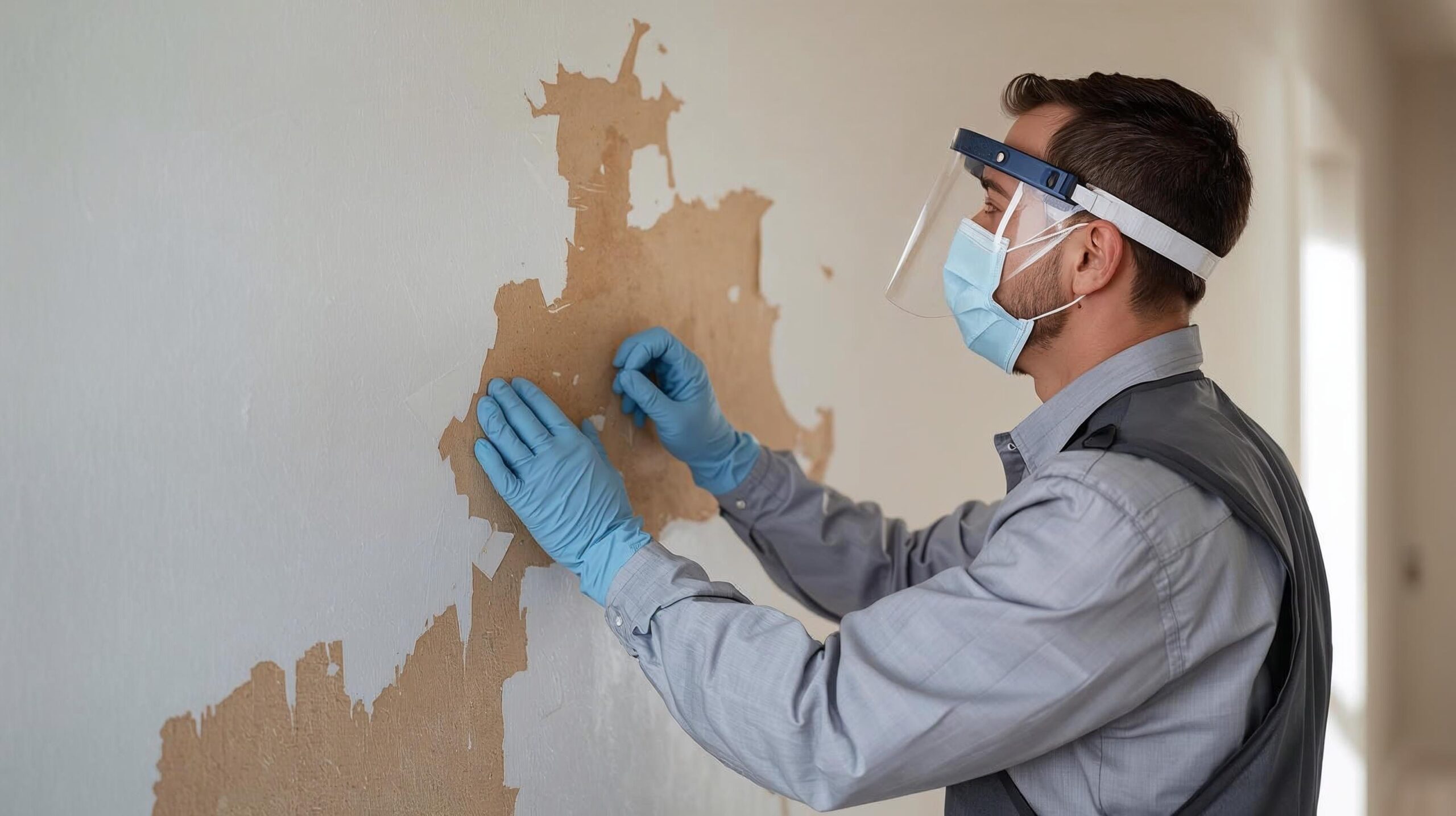
Can you fix water damaged walls by yourself is one of the most common questions homeowners ask after noticing stains, bubbling paint, or soft drywall inside their home. The answer depends on the extent of the damage: minor surface issues like small stains from brief water exposure can often be managed with proper drying, cleaning, and repainting, but any situation involving hidden moisture, mold growth, structural compromise, or recurring water intrusion requires professional restoration to ensure safety and prevent further damage. Water damage often appears small at first, but what you see on the surface does not always reflect what is happening behind the wall.
Understanding what can safely be handled on your own and when professional help is needed can prevent bigger problems later. In the Ohio Valley region, where seasonal weather changes and aging homes create unique challenges, knowing these differences becomes even more critical for protecting your investment and your family’s health.
Contact Americon Restoration of The Ohio Valley for a professional assessment of your water damaged walls and immediate restoration services in Warren, Niles, Howland, Austintown, Lordstown, Canfield, Youngstown, and Cortland.
Understanding Water Damage in Your Walls
Water damage in walls typically begins when moisture penetrates areas not designed to remain wet. The sources vary widely, from leaking pipes hidden inside walls to roof problems that allow rainwater infiltration. In Ohio Valley homes, particularly older properties in Warren, Youngstown, and surrounding communities, plumbing systems may show their age through slow leaks that saturate wall cavities over time.
The region’s freeze-thaw cycles create additional risks. Winter temperatures can cause pipes to burst, while spring thaws and heavy rainfall test roofing systems and foundation drainage. Summer humidity combined with air conditioning can create condensation problems in poorly insulated walls.
Early Warning Signs of Wall Water Damage:
- Yellow, brown, or copper-colored stains spreading across walls or ceilings
- Paint that bubbles, peels, or blisters away from the surface
- Drywall that feels soft, spongy, or crumbles when touched
- Musty or moldy odors suggesting hidden moisture
- Visible mold growth appearing as dark spots or fuzzy patches
- Warped baseboards or crown molding pulling away from walls
These symptoms indicate moisture has been present long enough to affect materials. The challenge lies in what remains hidden. Wall cavities contain insulation, wooden framing, and electrical wiring, all vulnerable to water damage you cannot see from the room side. Moisture meters and thermal imaging cameras detect these hidden problems, but most homeowners lack access to this specialized equipment.
Identifying the moisture source matters more than addressing visible damage. Fixing walls without stopping the water intrusion guarantees the problem will return. A leaking second-floor bathroom can travel through wall cavities and appear on first-floor walls far from the original source, making diagnosis essential before any repair work begins.
When DIY Wall Repairs Make Sense
Some water damaged walls can be addressed through do it yourself methods when specific conditions are met. The damage must be genuinely minor, the moisture source completely resolved, and safety not compromised.
Appropriate Situations for DIY Repairs:
- The affected area measures less than one square foot
- Water exposure was brief and quickly addressed
- Drywall remains firm with no soft spots or sagging
- No mold growth is visible anywhere in the affected area
- The water came from a clean source like a supply line
- You can identify and have fixed the moisture source
- The damaged area is easily accessible without special tools
Small stains from minor splashing, brief condensation issues, or quickly addressed small leaks might fall into this category. Testing the wall by pressing gently helps determine if the drywall maintained its structural integrity. Firm drywall that has dried completely may only need surface treatment.
However, appearances deceive. Even small visible damage can hide extensive moisture behind the surface. Fiberglass insulation absorbs water like a sponge and remains damp for extended periods. Wood framing begins deteriorating when moisture persists, compromising structural support. Paper-faced drywall provides food for mold growth once moisture is present.
The Ohio Valley’s humidity complicates matters further. Even after visible surfaces dry, moisture trapped in wall cavities struggles to escape in humid conditions, creating prolonged mold growth risks.
Professional inspection provides certainty. Moisture meters detect hidden water. Thermal imaging reveals temperature differences indicating dampness. These tools eliminate guesswork and prevent future problems from overlooked moisture.
Step by Step Process for Minor DIY Wall Repairs
When damage truly qualifies as minor and you decide to proceed with repairs yourself, following proper procedures prevents creating bigger problems.
Complete DIY Repair Process:
-
Eliminate the moisture source permanently.
Confirm no additional water can enter the area. Repair plumbing leaks, fix roof problems, or address whatever caused the original damage. Attempting repairs while water continues entering guarantees failure.
-
Dry affected areas thoroughly.
Position fans to blow directly across damaged surfaces. Run dehumidifiers to reduce ambient moisture. Open windows when outdoor humidity is lower than indoor levels. Continue drying for at least 48 to 72 hours. Monitor with a hygrometer to confirm humidity levels are dropping.
-
Remove compromised materials carefully.
Any drywall that feels soft must be removed. Damaged material cannot be restored. Use a utility knife to cut clean rectangular or square openings that extend back to studs for proper patch support. Bag and dispose of removed materials promptly to prevent mold spores from spreading.
-
Clean all surfaces before repairs.
Even without visible mold, moisture leaves residues affecting paint adhesion. Mix mild detergent with water for general cleaning. Areas with suspected mold concerns require specific antimicrobial cleaners. Wear protective gloves and ensure good ventilation throughout the cleaning process.
-
Apply stain-blocking primer generously.
Oil-based or shellac-based primers provide superior stain blocking compared to latex primers. This step prevents discoloration from bleeding through new paint. Allow primer to dry completely before proceeding.
-
Patch holes and repair surfaces.
Install drywall patches sized to fit cleaned openings. Secure patches to studs with drywall screws. Apply joint compound over seams and screw heads. Sand smooth when dry. Multiple thin coats produce better results than single thick applications.
-
Paint with quality interior paint.
Two finish coats provide proper coverage and durability. Match existing paint sheen for consistent appearance.
Rushing any step invites problems. Covering damage before complete drying traps moisture inside walls where it causes unseen deterioration. Patience during the process prevents expensive rework later.
When Professional Restoration Becomes Necessary
Many water damaged wall situations exceed safe DIY capabilities and require professional expertise. Recognizing these scenarios protects your health, safety, and property value.
Clear Indicators You Need Professional Help
Certain warning signs strongly indicate that professional restoration is necessary rather than a do it yourself approach. These conditions suggest hidden damage, contamination, or safety risks that cannot be addressed with surface repairs alone.
-
Drywall feels soft or spongy when pressed
-
Walls show sagging or bowing anywhere
-
Stains keep reappearing after cleaning
-
You cannot identify the moisture source
-
Water came from sewage or contaminated sources
-
The affected area exceeds a few square feet
-
Visible mold growth appears anywhere
-
Musty odors persist despite cleaning
-
The home’s electrical system may be affected
-
Insulation inside walls appears wet or damaged
Mold Risks Inside Water Damaged Walls
Mold presents serious concerns once moisture enters wall systems. Water damaged walls create ideal conditions for mold growth within 24 to 48 hours under the right circumstances. Ohio Valley humidity often provides those conditions, especially during warmer months.
Some mold species produce mycotoxins that affect respiratory health and can trigger allergic reactions in sensitive individuals. Even small mold colonies can spread rapidly when left untreated.
Wall cavities are particularly problematic because they offer dark, enclosed environments where mold grows invisibly. Professional remediation involves containment procedures, specialized cleaning agents, and often removal of affected materials. DIY methods cannot safely or fully address mold hidden inside walls.
Structural and Electrical Safety Concerns
Structural components add another layer of risk. Water exposure affects wood framing by encouraging rot, which weakens structural integrity over time. These issues are rarely visible until damage becomes advanced.
Electrical systems exposed to moisture create shock and fire hazards that require evaluation by qualified professionals. Wet insulation also loses its effectiveness, leading to higher energy usage and comfort issues inside the home. These components are inaccessible without proper tools, training, and safety equipment.
Why Professional Restoration Is More Effective
Professional restoration companies provide capabilities beyond homeowner reach. Industrial-grade air movers create airflow patterns designed to dry wall cavities thoroughly. Commercial dehumidifiers remove moisture at rates household units cannot achieve.
Moisture detection equipment verifies when materials are fully dry rather than relying on surface appearance alone. This prevents premature repairs that can trap moisture and cause recurring damage.
Insurance and Documentation Advantages
Documentation plays an important role in professional restoration. Trained technicians photograph damage, maintain drying logs, and produce reports that support insurance claims. They communicate directly with insurance adjusters and explain the technical aspects of the restoration process.
This documentation and advocacy help homeowners receive appropriate coverage and avoid disputes during the claims process.
The Value of Local Restoration Expertise
For Ohio Valley homeowners, working with local restoration specialists provides additional benefits. Professionals familiar with homes in Warren, Youngstown, and surrounding communities understand regional construction methods and common problem areas.
They recognize seasonal moisture challenges and know how local housing stock responds to water intrusion. This local experience leads to faster diagnosis, more effective restoration, and better long term outcomes.
Ohio Valley Specific Considerations for Wall Water Damage
Regional factors make water damaged walls particularly challenging for Ohio Valley property owners. Understanding these local considerations helps explain why professional intervention often proves necessary.
Freeze-thaw cycles stress plumbing systems throughout winter months. Pipes that survived previous winters may finally fail. Burst pipes release large water volumes quickly, saturating walls, floors, and ceilings before anyone can react. The damage extends far beyond what DIY methods can address.
Older housing stock dominates many Ohio Valley communities. Homes built decades ago contain plumbing systems approaching or exceeding their service life. Galvanized pipes corrode from the inside. Older materials were installed to different standards than modern codes require. These aging systems create ongoing water damage risks.
Basement moisture represents another regional challenge. Many Ohio Valley homes feature basements with varying degrees of moisture control. Inadequate drainage, settling foundations, and high water tables contribute to chronic dampness that migrates upward into wall systems. Addressing visible wall damage without resolving underlying basement moisture issues guarantees recurring problems.
Spring flooding affects some areas when heavy rainfall overwhelms drainage capacity. Storm water enters basements and saturates lower wall sections. This water often contains contaminants from soil, sewage systems, or surface runoff, creating health hazards requiring professional remediation.
What Professional Restoration Services Provide
Understanding what professional water damage restoration entails helps homeowners recognize the value these services provide beyond DIY capabilities.
Professionals respond quickly, typically within hours of contact. Speed matters because water damage worsens rapidly. Every hour of delay increases damage extent and restoration cost. Immediate response limits damage spread and reduces total restoration expense.
Comprehensive assessment identifies all affected areas, not just visible damage. Moisture mapping reveals water migration patterns. Infrared cameras detect temperature differences indicating dampness behind surfaces. Documentation creates detailed records supporting insurance claims.
Complete water extraction removes standing water thoroughly. Professional-grade extractors pull water from carpets, padding, and other materials household equipment cannot address. Removing water quickly prevents it from spreading further.
Advanced drying techniques address both surface and structural moisture. Strategic equipment placement creates optimal drying conditions. Continuous monitoring tracks progress and confirms completion. This thoroughness prevents mold growth from hidden moisture.
Cleaning and sanitizing restore affected areas safely. Antimicrobial treatments prevent microbial growth. Deodorization eliminates musty smells. Professional cleaning addresses both visible and hidden contamination.
Restoration services complete the process. Minor repairs restore surfaces to pre-damage condition. Major reconstruction rebuilds severely damaged areas. Complete restoration returns your home to normal.
Frequently Asked Questions About DIY Wall Water Damage Repair
Can I just paint over water stained walls?
Painting over water stains without proper preparation guarantees failure. The stain will bleed through new paint within days or weeks. You must identify and fix the moisture source, ensure walls are completely dry, remove any mold, and apply stain-blocking primer before painting. Skipping these steps wastes time and money while allowing hidden problems to worsen.
How long does it take for mold to grow in wet walls?
Mold can begin growing within 24 to 48 hours when conditions are right. Ohio Valley humidity often provides those conditions. Once mold establishes itself, it spreads rapidly through wall cavities. Professional remediation becomes necessary, adding significant cost beyond simple repairs. Quick drying prevents mold establishment.
What if the water damage is behind tile or in a bathroom?
Bathrooms present special challenges because moisture often hides behind tile, fixtures, and waterproof membranes. Surface drying does not address moisture trapped in wall cavities. Tile installation complicates repairs. Professional assessment using moisture meters determines if hidden damage exists requiring intervention beyond surface treatment.
Will my homeowners insurance cover water damage repairs?
Coverage depends on your policy and the damage cause. Sudden pipe bursts are typically covered while gradual leaks from poor maintenance may not be. Professional restoration companies document damage thoroughly and communicate with insurance adjusters. Their expertise helps homeowners receive appropriate coverage. Always report water damage to your insurer promptly.
How much does professional water damage restoration cost compared to DIY?
While professional services cost more than DIY supplies, they prevent problems that make total expenses far higher. Incomplete drying causes mold requiring expensive remediation. Missed structural damage worsens over time. Failed DIY repairs need redoing professionally. Professional restoration addresses problems completely the first time, protecting your property value and avoiding health hazards that DIY approaches risk.
Taking Action When You Discover Water Damaged Walls
Water damaged walls demand prompt attention whether you choose DIY repairs or professional restoration. The critical factor is acting quickly before damage spreads, mold develops, or structural problems worsen.
For genuinely minor damage that meets all the criteria for safe DIY repair, following proper procedures prevents creating bigger problems. However, any uncertainty about damage extent, your capability to address it safely, or whether moisture remains hidden warrants professional evaluation.
Most homeowners lack the equipment, training, and experience to assess water damage accurately. What appears minor often conceals extensive hidden damage. Professional inspection provides certainty and prevents expensive surprises later.
Water damaged walls quickly become more than cosmetic issues. They threaten structural integrity, create health hazards through mold growth, and reduce property value. Professional restoration protects your investment while ensuring your family’s safety.
For Ohio Valley homeowners facing water damaged walls, local expertise matters. Companies familiar with regional building practices, seasonal challenges, and common problems in area homes provide better service than distant contractors unfamiliar with local conditions.
Don’t risk your health or your home’s value attempting repairs beyond safe DIY limits. When water damage exceeds minor surface issues, contact Americon Restoration of The Ohio Valley immediately for professional water damage restoration serving Warren, Niles, Howland, Austintown, Lordstown, Canfield, Youngstown, and Cortland.
Looking for trusted local water damage restoration? Visit our Google Business Profile to see reviews and service details from your Ohio Valley neighbors.
 Loading...