
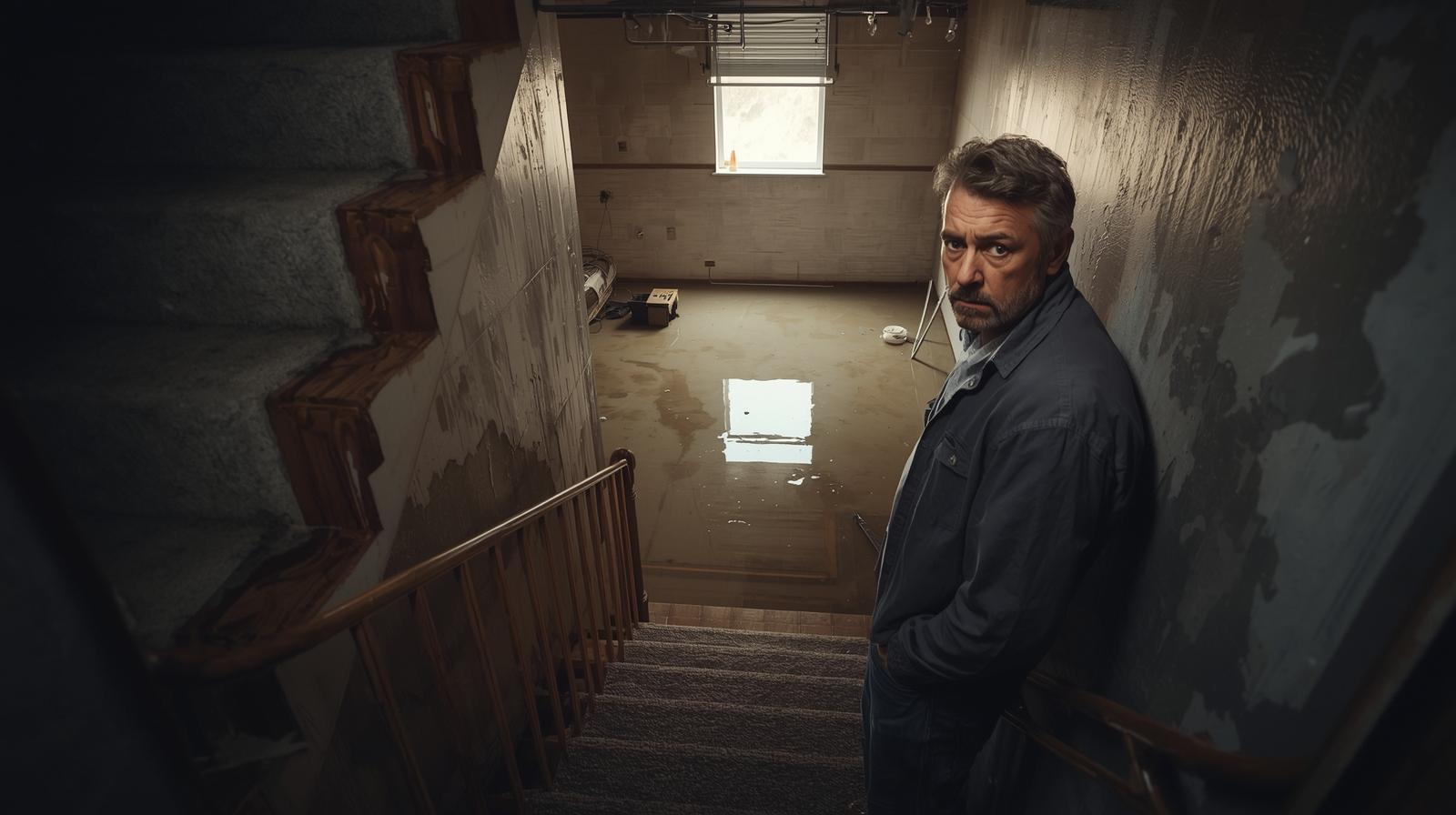
When facing a flooded basement, what to do in the first critical minutes determines whether you face manageable cleanup or devastating long-term damage. Basement flooding strikes without warning throughout Warren, Niles, Youngstown, Howland, Austintown, Lordstown, Canfield, Cortland, and surrounding Ohio Valley communities, caused by heavy rainfall, burst pipes, sewer backups, or foundation failures. Standing water in basements creates immediate risks including structural damage, electrical hazards, mold growth, and significant property loss. Understanding proper emergency response protects your safety, minimizes damage extent, and prevents costly mistakes that worsen an already serious situation.
For immediate professional basement flood cleanup throughout the Ohio Valley, contact Americon Restoration of The Ohio Valley now. Find us on Google or reach out through our website for 24/7 emergency water extraction and restoration services.
Understanding Basement Flooding Causes
Before addressing flooded basement emergencies, understanding the common causes helps Ohio Valley homeowners identify problems and prevent future incidents.
Heavy Rainfall and Poor Drainage
The Ohio Valley experiences significant rainfall throughout the year, along with heavy snowmelt in spring. When drainage systems become overwhelmed or foundation waterproofing fails, water infiltrates basements rapidly. Poor grading that directs water toward foundations rather than away from them compounds these problems considerably.
Burst Pipes and Plumbing Failures
Water supply lines, especially aging copper or galvanized pipes common in older Ohio Valley homes throughout Warren, Niles, and Youngstown, can burst from corrosion, pressure surges, or freezing temperatures. A single burst pipe releases hundreds of gallons within hours, flooding a basement completely.
Sewer Backups
When municipal sewer systems become overwhelmed during heavy rain or when main lines clog, sewage backs up through basement drains and toilets. This creates Category 3 contaminated water requiring specialized professional cleanup and extensive sanitization throughout the affected area.
Sump Pump Failures
Many Ohio Valley basements rely on sump pumps to remove groundwater, particularly during the wet spring season and heavy storms. When these pumps fail during a storm or power outage, water accumulates rapidly and can flood finished basements within hours.
Foundation Cracks and Failures
Settling, freeze-thaw cycles, or deteriorating waterproofing allows groundwater to seep through foundation walls and floors. Ohio Valley winters are particularly hard on foundations, and even small cracks can allow substantial water infiltration during spring thaw and heavy rain events.
Water Heater Failures
Basement-located water heaters can fail catastrophically, releasing 40 to 80 gallons instantly. Older units corrode internally and can rupture without any prior warning signs.
Understanding your specific flooding cause guides the appropriate emergency response and long-term prevention strategies for your home.
Immediate Safety: First Actions When Discovering a Flooded Basement
Your immediate priority when discovering basement flooding focuses entirely on personal safety before addressing any property damage.
Step 1: Do Not Enter Standing Water
Never enter a flooded basement if water depth exceeds a few inches or if you cannot clearly see the floor. Standing water creates deadly electrocution risks when electrical outlets, appliances, or wiring become submerged. Even shallow water proves dangerous when electrical current is passing through it.
If your electrical panel is located in the basement, do not attempt to access it through standing water. Contact your utility company or emergency services for assistance shutting off power safely.
Step 2: Shut Off Electricity to the Basement
If you can safely access your main electrical panel from outside the flooded area, shut off power to basement circuits immediately. If the panel itself is in the flooded basement or you cannot reach it safely, contact your utility company requesting emergency disconnection before anyone enters the space.
Only after confirming power is completely off should you consider entering the flooded area, and only then if water depth and contamination levels permit safe entry.
Step 3: Identify the Water Source
Determine the flooding cause when possible from a safe location. If caused by a burst pipe, shut off your main water supply immediately. If caused by an appliance failure, close the water supply valve to that specific appliance. For sewer backups, avoid all contact with the contaminated water and contact professional restoration services right away.
Step 4: Assess Water Contamination Level
Understanding water contamination helps determine safe handling procedures. Clean water from supply lines or rainwater represents Category 1 contamination, allowing careful DIY removal when volumes are limited. Gray water from appliances like washing machines represents Category 2, requiring more cautious handling. Black water from sewage backups or flooding represents Category 3, demanding professional cleanup with full protective equipment due to the presence of dangerous pathogens.
Step 5: Evacuate the Area if Necessary
If water depth exceeds six inches, contamination is suspected, structural integrity appears compromised, or gas odors are present, evacuate your home immediately and contact emergency services from a safe distance. Some basement flooding situations are simply too dangerous for homeowner intervention and require professional emergency response.
Emergency Water Removal and Damage Mitigation
Once safety is confirmed and power is disconnected, begin water removal and damage limitation as quickly as possible.
Remove Standing Water
For shallow, clean water flooding, use mops, towels, wet/dry shop vacuums rated for water extraction, or buckets to remove standing water. Work systematically from the deepest areas outward, removing as much water as possible manually.
However, significant flooding exceeding a few inches or any contaminated water absolutely requires professional extraction equipment. Consumer-grade wet/dry vacuums cannot handle substantial water volumes and are inadequate for thorough moisture removal from porous materials.
Extract Water from Carpeting and Contents
Blot saturated carpeting, rugs, and upholstered furniture using towels or carpet extractors. Remove soaked contents including boxes, stored items, and moveable furniture to dry areas immediately. The faster items are removed from standing water, the better their chances of being salvaged.
Promote Air Circulation
Open basement windows if weather permits and no additional rain is forecast. Position fans throughout the space directing airflow across wet surfaces. Open doors to interior spaces to promote circulation throughout your home. Never operate electrical equipment in standing water or when outlets remain wet.
Document Everything for Insurance
Before removing water or discarding damaged items, thoroughly photograph and video record all damage. Capture water depth, damaged walls and flooring, ruined contents, and the flooding source when visible. This documentation is essential for your insurance claim and helps adjusters understand the full extent of your loss.
Contact Professional Restoration Services Immediately
Even when initial water removal appears successful, professional assessment is critical. Hidden moisture within walls, beneath flooring, and inside structural cavities creates serious long-term problems that are invisible during initial cleanup. Professional restoration companies deploy industrial extraction equipment, commercial dehumidifiers, and moisture detection technology to prevent progressive damage and mold growth.
Americon Restoration of The Ohio Valley provides 24/7 emergency basement flood cleanup throughout Warren, Niles, Youngstown, Howland, Austintown, Lordstown, Canfield, Cortland, and all surrounding Trumbull and Mahoning County communities. Our certified technicians bring truck-mounted extraction systems, industrial drying equipment, and comprehensive moisture detection technology to ensure a complete and safe restoration.
Professional Basement Flood Restoration Process
Understanding professional restoration procedures helps Ohio Valley homeowners recognize quality service and understand realistic recovery timelines.
Comprehensive Damage Assessment
Professional technicians conduct thorough inspections identifying all affected areas, measuring moisture levels in structural materials, classifying water contamination categories, and documenting damage extent. This assessment guides restoration planning and supports your insurance claim throughout the process.
Industrial Water Extraction
Truck-mounted or portable extraction systems remove standing water far more effectively than any consumer equipment. Professional extractors pull water from carpeting, concrete, and porous materials, dramatically reducing drying time and preventing deep saturation throughout the structure.
Structural Drying Operations
Commercial dehumidifiers and high-velocity air movers operate continuously for 3 to 7 days, removing moisture from walls, floors, and structural components. Moisture detection equipment monitors drying progress daily, ensuring complete moisture removal before restoration work proceeds.
This thorough drying prevents mold growth, structural deterioration, and the musty odors that plague improperly dried basements for years following a flooding event.
Cleaning and Sanitization
All affected surfaces receive thorough cleaning using appropriate methods based on the water contamination level. Category 2 and Category 3 water require antimicrobial treatments to eliminate dangerous pathogens. HVAC systems receive special attention to prevent contamination from spreading throughout the rest of the home.
Mold Prevention and Remediation
When flooding persists beyond 24 to 48 hours before professional intervention, mold growth often begins. Professional remediation includes containment, HEPA filtration, antimicrobial application, and contaminated material removal when necessary to fully address the problem.
Structural Repairs and Reconstruction
Water-damaged drywall, insulation, flooring, and trim typically require replacement. Americon Restoration of The Ohio Valley coordinates all necessary repairs to ensure your basement returns to a safe and functional condition that meets current building codes.
Preventing Future Basement Flooding
Once restoration is complete, implementing preventive measures protects your Ohio Valley home against recurring flooding events.
Install or Upgrade Sump Pump Systems
Ensure you have a properly sized, operational sump pump with a battery backup system that maintains protection during power outages, which are common during the Ohio Valley’s severe storms. Test your pump regularly and consider a water-powered backup system for additional security during extended outages.
Improve Foundation Drainage
Ensure gutters and downspouts direct water at least 6 feet from your foundation. Regrade landscaping to slope away from your home. Install French drains or exterior waterproofing when chronic seepage occurs, particularly in older Ohio Valley homes with aging foundation materials.
Seal Foundation Cracks
Repair foundation cracks promptly using appropriate sealants or professional waterproofing systems. Ohio Valley freeze-thaw cycles can expand even small cracks quickly, allowing substantial water infiltration during spring thaw and heavy rain events.
Install Backwater Valves
These devices prevent sewer backups by allowing water to flow out but not back into your home through basement drains. This is a highly effective and relatively affordable safeguard against one of the most damaging and hazardous types of basement flooding.
Replace Aging Plumbing
Older supply lines in Ohio Valley homes should be inspected and replaced before catastrophic failure occurs. Modern PEX plumbing is far more reliable than corroding copper or galvanized pipes common in homes built several decades ago throughout Warren, Youngstown, and Niles.
Elevate Valuable Contents
Store irreplaceable items, important documents, and valuable possessions on elevated shelving rather than directly on basement floors where flooding risks are highest. This simple step can save items that would otherwise be destroyed in a flooding event.
Consider Flood Insurance
Standard homeowners insurance often excludes certain flooding types. Separate flood insurance provides comprehensive protection for Ohio Valley homeowners in flood-prone or low-lying areas where basement flooding is a recurring concern.
Health Hazards from Flooded Basements
Basement flooding creates numerous health risks that require professional mitigation to protect your family and anyone entering the affected space.
Mold Growth
Mold colonizes wet materials within 24 to 48 hours, producing allergens, irritants, and potentially toxic compounds that affect respiratory health. Professional extraction and structural drying prevent mold problems following basement floods and protect your home’s indoor air quality long-term.
Sewage Contamination
Sewer backups contain dangerous bacteria, viruses, and parasites that can cause serious illness. Category 3 water requires professional cleanup with full protective equipment and comprehensive sanitization before the space is safe to use again.
Structural Hazards
Water saturates and weakens structural materials, creating collapse risks that are not always visible to the untrained eye. Wet drywall becomes soft and unstable. Saturated wooden framing loses strength. Professional assessment is necessary to determine structural integrity before allowing full basement access again.
Electrical Dangers
Water and electricity create a deadly combination. Flooded basements with active electrical systems pose serious electrocution risks requiring a professional electrical inspection before any restoration work begins or before the space is re-entered regularly.
Ohio Valley-Specific Basement Flooding Considerations
Properties throughout the Ohio Valley face distinctive basement flooding challenges directly related to the region’s climate, construction age, and seasonal patterns.
Harsh Winters and Freeze-Thaw Cycles
Ohio Valley winters are among the most demanding on residential foundations and plumbing. Repeated freeze-thaw cycles expand foundation cracks, deteriorate waterproofing, and stress pipes throughout the winter season. Spring thaw often brings the most significant basement flooding risk of the year as ground ice melts rapidly and saturates soil around foundations.
Aging Housing Stock
Many homes throughout Warren, Niles, Youngstown, and surrounding communities were built decades ago with foundation materials and waterproofing methods that have long since degraded. These older properties face elevated basement flooding risks and may require proactive waterproofing upgrades to prevent recurring issues.
Spring Snowmelt and Heavy Rain
The Ohio Valley regularly experiences significant spring snowmelt combined with seasonal heavy rainfall, creating conditions where even well-maintained drainage systems become overwhelmed. Homeowners with finished basements should be especially vigilant during March through May when flooding risk peaks.
Storm-Related Power Outages
Severe Ohio Valley storms frequently cause power outages that disable sump pumps at the exact moment they are needed most. A battery backup sump pump is not a luxury in this region — it is an essential safeguard against a very foreseeable and preventable type of basement flooding.
Why Choose Americon Restoration of The Ohio Valley
When basement flooding strikes in Warren, Niles, Youngstown, Howland, Austintown, Lordstown, Canfield, or Cortland, choosing an experienced local restoration specialist makes a tremendous difference in outcomes and total costs.
- 24/7 Emergency Response: Round-the-clock availability with rapid response throughout the entire Ohio Valley region
- Industrial Extraction Equipment: Truck-mounted and portable systems capable of removing thousands of gallons quickly, far exceeding any consumer equipment
- Advanced Drying Technology: Commercial dehumidifiers and air movers operating continuously until moisture levels fully normalize
- Moisture Detection Expertise: Thermal imaging and moisture meters identifying hidden water accumulation throughout the structure
- Complete Restoration Services: Comprehensive repairs from water extraction through final reconstruction, eliminating the need to coordinate multiple contractors
- Certified Technicians: Industry-certified professionals following best practices on every project
- Insurance Coordination: Direct communication with your insurance adjuster and detailed documentation supporting a fair and complete settlement
Frequently Asked Questions About Flooded Basements
1. How long does it take to dry out a flooded basement?
Professional drying typically requires 3 to 7 days depending on water volume, materials affected, and ambient humidity. Attempting to dry a basement without professional equipment often takes weeks and still leaves hidden moisture behind, leading to mold growth and structural problems down the road.
2. Can I clean up a flooded basement myself?
Small amounts of clean water affecting limited areas may be manageable with DIY methods, but most basement flooding requires professional equipment and expertise. Hidden moisture, contamination risks, and mold dangers make professional restoration the safer and more effective choice for any significant flooding event.
3. Will insurance cover basement flooding?
Coverage depends on the flooding cause and your specific policy. Sudden, accidental water damage from burst pipes or appliance failures is typically covered. Sewer backups require additional coverage endorsements. External flooding often requires separate flood insurance. Review your policy and contact your insurance provider immediately following any basement flooding incident.
4. How quickly does mold grow after basement flooding?
Mold can begin growing within 24 to 48 hours following water exposure. This extremely short timeframe makes immediate professional water extraction and structural drying critically important for preventing mold contamination in your home.
5. Is flooded basement water dangerous?
The contamination level determines how dangerous the water is. Clean water from supply lines poses minimal health risks with proper precautions. Gray water from appliances requires cautious handling. Black water from sewage backups or external flooding contains dangerous pathogens that require professional cleanup with full protective equipment. Never assume basement flood water is safe without a professional assessment.
Take Immediate Action for Flooded Basement Recovery
Understanding flooded basement what to do helps Ohio Valley homeowners respond effectively to a devastating and stressful emergency. While basement flooding creates overwhelming challenges, following proper safety protocols, securing professional restoration services immediately, and implementing preventive measures dramatically improves outcomes and reduces total recovery costs.
Basement flooding worsens exponentially without prompt professional intervention. Hidden moisture creates progressive structural damage, dangerous mold growth, and persistent odor problems that affect homes for years when inadequately addressed. Professional restoration eliminates these risks through comprehensive extraction, thorough structural drying, and complete sanitization of all affected areas.
Americon Restoration of The Ohio Valley provides comprehensive basement flood restoration services throughout Warren, Niles, Youngstown, Howland, Austintown, Lordstown, Canfield, Cortland, and all surrounding Trumbull and Mahoning County communities. Our certified technicians respond immediately to emergencies 24/7 with industrial equipment and proven protocols to ensure a complete and safe basement recovery.
Do not let basement flooding destroy your property or create long-term health hazards for your family. Find us on Google or contact us through our website for professional basement flood cleanup and restoration services available around the clock throughout the Ohio Valley.
 Loading...