
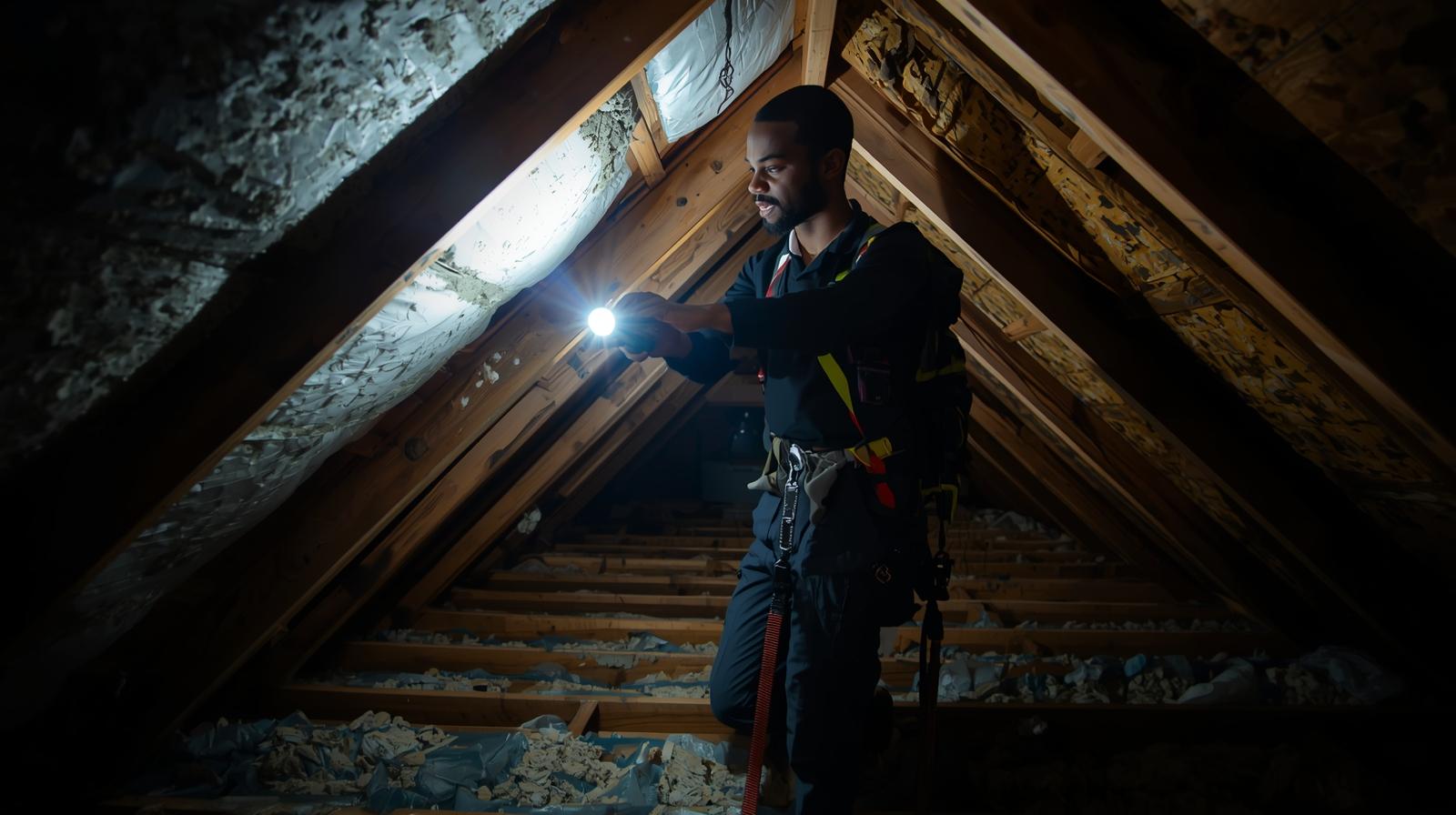
When property owners ask how much is a mold inspection in Ohio, they’re seeking to understand the investment required for professional assessment that protects their health, property value, and peace of mind in a region where basement moisture, freeze-thaw cycles, and seasonal flooding create ideal conditions for mold growth. Mold inspection costs vary based on numerous factors including property size, inspection scope, testing methods, accessibility challenges, and service provider expertise, making it essential to understand what influences pricing and what you receive for your investment. For Ohio Valley homeowners and businesses, professional mold inspection represents crucial preventive maintenance that prevents expensive remediation projects, protects occupant health, and maintains property integrity.
Understanding the factors affecting costs, what comprehensive inspections include, how to evaluate service providers beyond price alone, and why investing in quality inspection saves money long-term helps you make informed decisions. The Ohio Valley’s unique climate challenges demand professional expertise that accurately identifies mold problems and provides actionable solutions.
Need professional mold inspection in Ohio Valley? Contact Americon Restoration of The Ohio Valley today for comprehensive mold assessment services protecting your Warren, Niles, Howland, Austintown, Lordstown, Canfield, Youngstown, and Cortland property.
Factors That Affect Mold Inspection Costs in Ohio
Multiple variables influence mold inspection pricing, making costs dependent on your specific situation and needs.
Property size represents the most significant cost factor. Larger properties require more time for thorough inspection, more extensive testing, and greater documentation effort. A small ranch home requires less inspection time than a multi-level property with finished basements, while commercial properties typically involve more complex assessments.
Inspection scope significantly impacts costs. Basic visual inspections cost less than comprehensive assessments including air quality testing, surface sampling, moisture mapping, and thermal imaging. Properties with known water damage or basement flooding require more extensive evaluation than preventive inspections.
Testing methods and sample quantities affect pricing. Air quality testing, surface swabs, bulk material samples, and laboratory analysis each add to total costs. Multiple samples from different areas provide more comprehensive information but increase expenses.
Property accessibility influences inspection difficulty and time requirements. Crawl spaces, attics with limited access, finished basements, and properties with extensive contents blocking inspection areas require additional effort. Older homes with complex layouts may involve premium pricing.
Geographic location within Ohio creates cost variations. Urban areas with higher business operating costs typically charge more than rural regions. Ohio Valley costs generally reflect regional economic conditions and local competition among service providers.
Inspector qualifications and company reputation affect pricing. Highly experienced inspectors with advanced certifications, specialized equipment, and proven track records typically command higher fees than less qualified providers but often provide greater value through more accurate assessments.
What Comprehensive Mold Inspections Include
Understanding what professional mold inspection encompasses helps you evaluate whether pricing reflects appropriate scope.
Complete Mold Inspection Components:
Initial Consultation: Inspectors discuss your concerns, recent water damage events, health symptoms, and areas requiring particular attention.
Visual Assessment: Systematic examination of all accessible areas including basements, crawl spaces, attics, bathrooms, kitchens, and areas with plumbing or HVAC systems.
Moisture Detection: Professional moisture meters and infrared thermal imaging cameras identify hidden moisture supporting mold growth.
Air Quality Testing: Air samples collected from multiple locations measure airborne mold spore concentrations.
Surface Sampling: Swabs or tape lifts from suspicious areas confirm mold presence and identify specific species.
Humidity Measurement: Hygrometers measure indoor humidity levels determining whether conditions support mold growth.
HVAC System Inspection: Examination of heating and cooling systems, ductwork, and air handlers where mold commonly develops.
Detailed Documentation: Comprehensive reports include photographs, moisture readings, test results, identified problem areas, and remediation recommendations.
Laboratory Analysis: Samples receive professional laboratory testing identifying mold species, concentrations, and potential health risks.
Consultation and Recommendations: Inspectors explain findings, answer questions, and provide actionable guidance.
Quality inspections provide information justifying costs through thoroughness preventing missed problems that lead to expensive surprises.
Why Ohio Valley Properties Require Professional Mold Inspection
The Ohio Valley’s climate creates mold challenges specific to this region, making professional inspection particularly valuable.
Basement moisture throughout the year provides constant conditions supporting mold growth. Many Ohio Valley homes feature below-grade spaces naturally prone to dampness and condensation issues.
Seasonal flooding and heavy rainfall introduce water intrusion opportunities. Spring thaws and summer storms can trigger extensive mold growth within 24 to 48 hours in the region’s variable climate conditions.
Freeze-thaw cycles common in Northeast Ohio create building envelope compromises allowing moisture infiltration. Temperature fluctuations stress building materials creating entry points for water.
Older properties built before modern moisture control standards often feature construction methods that perform poorly in humid conditions. Many Ohio Valley homes predate current building codes and ventilation requirements.
Real estate transactions in Ohio commonly require mold inspections protecting buyers from purchasing contaminated properties, particularly those with finished basements or previous water damage history.
Hidden Costs of Skipping Professional Inspection
Attempting to save money by avoiding professional mold inspection often results in expenses far exceeding quality inspection costs.
Undetected mold spreads progressively, contaminating additional materials and increasing remediation scope. Early detection identifies problems while they remain manageable and contained to smaller areas.
Health problems from mold exposure lead to medical expenses and lost work productivity. Professional inspection identifies contamination before health effects develop in family members or employees.
Property damage from prolonged mold growth requires extensive repairs including structural component replacement, insulation removal, and HVAC system cleaning. Professional inspection identifies moisture sources before damage becomes severe.
Insurance claim complications arise from inadequate documentation. Professional mold inspections provide comprehensive reports supporting claims and establishing timelines for coverage purposes.
Property value impacts from mold problems discovered during real estate transactions result in reduced sale prices or cancelled deals. Pre-listing inspections allow sellers to address issues proactively before properties reach market.
How to Evaluate Mold Inspection Value Beyond Price
Selecting mold inspection services based solely on the lowest price frequently proves counterproductive, with inadequate inspections missing critical problems.
Quality Inspection Indicators:
- Certified inspectors with recognized credentials from organizations like IICRC or ACAC
- Advanced detection equipment including thermal imaging cameras and professional moisture meters
- Comprehensive written reports with photographs, test results, and clear recommendations
- Independent testing rather than inspectors selling remediation services creating conflict of interest
- References and reviews from previous customers demonstrating satisfaction
- Clear explanation of inspection scope, testing methods, and reporting timelines
- Professional communication answering questions and addressing concerns
- Insurance and liability coverage protecting clients
Cheaper inspections often cut corners through limited testing, inadequate equipment, rushed assessments, and incomplete reporting. These savings prove illusory when missed problems later require expensive emergency remediation.
Americon Restoration of The Ohio Valley provides comprehensive mold inspections throughout Warren, Niles, Howland, Austintown, Lordstown, Canfield, Youngstown, and Cortland, combining advanced technology with extensive experience identifying all moisture and mold issues affecting your property.
Questions to Ask Before Hiring Mold Inspectors
Informed consumers ask specific questions helping them evaluate whether inspection services justify costs through appropriate scope and quality.
Essential Pre-Hiring Questions:
- What specific certifications and training do your inspectors possess?
- What inspection methods and equipment will you use at my property?
- Do you provide independent inspections without also selling remediation services?
- What testing types are included in your base inspection cost?
- How long will the inspection take and when will I receive results?
- What format will the inspection report take and what information will it contain?
- Can you provide references from recent customers in Ohio Valley?
- What insurance and liability coverage do you maintain?
Reputable inspection companies answer these questions readily and provide detailed information demonstrating their expertise and commitment to quality service.
The Long-Term Value of Quality Mold Inspection
Viewing mold inspection as an expense rather than an investment misses the significant long-term value quality assessments provide.
Early problem detection prevents small issues from becoming major disasters. Catching moisture problems before extensive mold growth allows simple repairs rather than complex remediation projects costing thousands of dollars.
Health protection cannot be measured purely financially but represents invaluable benefit. Professional inspection identifies contamination before family members experience respiratory issues, allergic reactions, or other health effects.
Property value maintenance depends on proactive problem identification. Properties with documented inspection histories maintain values better than properties with unknown conditions or undisclosed moisture issues.
Insurance claim support provided by professional documentation proves crucial when water damage triggers mold growth. Comprehensive inspection reports establish timelines and support appropriate claim settlements with carriers.
Peace of mind from knowing your property’s true condition allows confident occupancy without concerns about hidden problems developing behind walls or under flooring.
Making Informed Decisions About Mold Inspection
Understanding factors affecting mold inspection costs in Ohio helps property owners evaluate services appropriately while recognizing that quality inspections represent wise investments rather than unnecessary expenses. The Ohio Valley’s variable climate, basement moisture challenges, and older construction characteristics create mold risks requiring professional expertise.
Attempting to save money through inadequate inspections or avoiding professional assessment entirely frequently results in expenses far exceeding quality inspection costs when undetected problems worsen. Health impacts, property damage, and insurance complications justify professional inspection investments.
Selecting mold inspection services requires evaluating provider qualifications, inspection scope, testing methods, reporting quality, and customer satisfaction rather than focusing solely on the lowest available price. Quality inspections provide actionable information enabling appropriate responses.
For Ohio Valley property owners, working with experienced local professionals who understand Northeast Ohio’s unique climate challenges ensures accurate assessment tailored to regional conditions. Professional inspectors familiar with local building types, basement issues, and climate patterns provide insights generic inspectors cannot match.
Don’t let cost concerns prevent you from protecting your property and family through professional mold inspection. Contact Americon Restoration of The Ohio Valley today for comprehensive mold inspection services in Warren, Niles, Howland, Austintown, Lordstown, Canfield, Youngstown, and Cortland. Visit our website to learn more about our water and mold damage restoration services.
 Loading...