Flood Damage Cleanup Cleveland, OH: Comprehensive Restoration
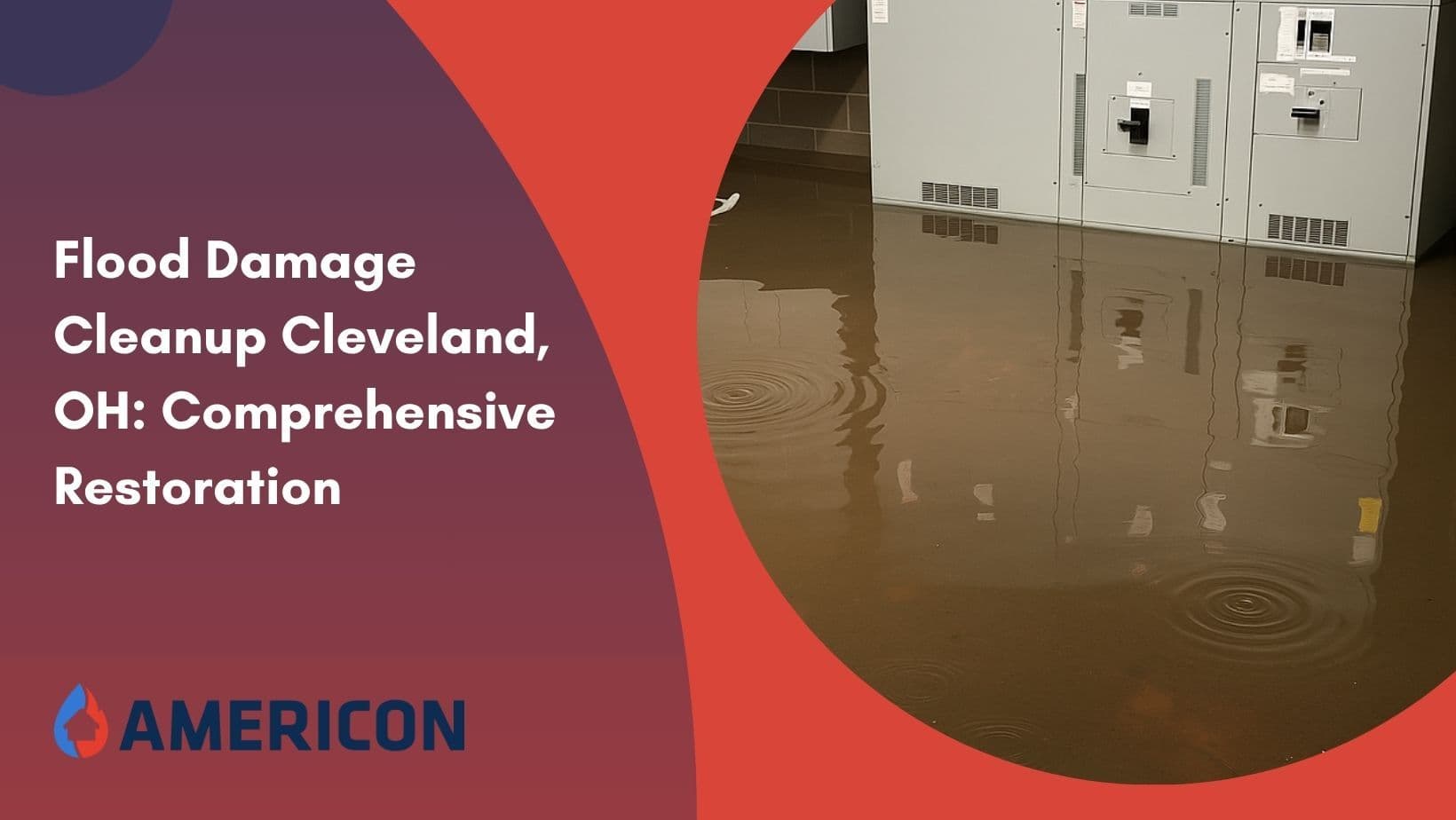
A sudden flood can escalate fast without the right response. Here's what comprehensive flood cleanup looks like in Cleveland.
When floods happen abruptly, they can leave destruction all around. A flood that severely affects the household due to heavy rain, a broken hose, or local storms will definitely call for cleanup. A prompt and efficient cleanup stops the damage from spreading, prevents mold growth, and removes the health risks that contaminated water can cause.
Besides causing structural damage, floods can destroy clothing, vital papers, and your home's electrical system. Acting promptly and hiring a professional cleanup service is the fastest path to recovery.
This guide explains the flood damage cleanup process in Cleveland, OH, shows how burst pipes factor in, helps you select the right service provider, and shares tips to prevent water damage in the first place.

What Is Flood Damage Cleanup and Why Is It Important?
Flood damage cleanup is the removal of water, debris, and contaminants from a flooded property. The aim is to bring the property back to a safe and livable state as quickly as possible, while avoiding long-term damage such as mold growth and structural deterioration.
Why Flood Damage Cleanup Is Crucial
Flooding can destroy your home in a very short time. The main reasons professional cleanup matters:
- Restores the building frame: water damages walls, floors, and the foundation more than almost anything else. Proper cleanup controls structural damage and keeps your property safe.
- Keeps the structure safe: water breaks down foundations, walls, and floors. Thorough cleanup limits that destruction.
- Removes contamination: floodwater is often loaded with bacteria, debris, and sometimes sewage. Prompt cleaning removes the breeding ground for pathogens that threaten human health.
- Reduces repair costs: the faster you act, the less damage is done. Professional water extraction and drying saves you from far costlier repairs and replacements later.
Burst Pipes: A Leading Cause of Water Damage in Cleveland
One of the most common causes of water damage in Cleveland homes is a burst pipe. When winter temperatures drop below freezing, water inside pipes expands and ruptures them. The escaping water damages walls, floors, ceilings, and even electrical systems fast.
The most common causes of burst pipes:
- Freezing temperatures: water freezes and expands, rupturing pipes. This is the top cause in Cleveland winters.
- Aging pipes: old galvanized steel pipes corrode and weaken over time, increasing the chance of rupture.
- High water pressure: excessive pressure inside pipes can weaken or burst them.
- Clogs and blockages: debris and mineral buildup blocks the pipe, pressure builds, and the pipe bursts.
What to do about each cause:
- Cause: Freezing temperatures. Effect: water freezes and expands, rupturing pipes. Prevention: insulate pipes, use space heaters in cold zones, and let faucets drip during cold snaps.
- Cause: Aging pipes. Effect: corrosion weakens pipes, causing cracks or ruptures. Prevention: replace old pipes, schedule regular inspections, and address signs of wear early.
- Cause: High water pressure. Effect: increased pressure stresses pipes, leading to breaks. Prevention: install a pressure regulator to keep water pressure between 40 and 60 psi.
- Cause: Clogs and blockages. Effect: debris buildup increases internal pressure, damaging pipes. Prevention: regular cleaning and maintenance, plus drain screens to prevent buildup.
The Process of Flood Damage Cleanup
Flood damage cleanup is a methodical process. Here are the main steps:
- Step 0: Shut Off the Water Supply. If a pipe bursts, turn the water off immediately at the main shut-off valve. This stops the flooding at its source. If you cannot find the valve, call a plumber or water damage restoration service right away.
- Step 1: Assessment and Inspection. Technicians inspect the full extent of water damage, pinpoint the source of flooding, and identify which areas need the most urgent attention. Moisture meters and thermal tools find hidden water in walls and ceilings.
- Step 2: Water Extraction. High-powered pumps and vacuums remove standing water fast. This is the critical stage that stops water damage from worsening.
- Step 3: Drying and Dehumidifying. Industrial dehumidifiers and air movers dry walls, floors, and affected materials. This step prevents mold growth, which can start within 24 to 48 hours of water contact.
- Step 4: Cleaning and Sanitizing. All surfaces touched by floodwater are cleaned and disinfected with professional-grade products, since floodwater can carry bacteria and pathogens.
- Step 5: Restoration and Repair. Damaged drywall is replaced, flooring is repaired or replaced, and electrical issues are fixed, bringing the property back to its pre-damage state.

How Long Does Each Phase Take?
Assessment and inspection: 1 to 2 hours. Water extraction: 2 to 4 hours depending on depth and area size. Drying and dehumidification: 12 to 24 hours, the longest active process. Cleaning and sanitizing: 4 to 6 hours. Restoration and repair: 1 to 3 weeks including rebuilding.
How to Choose the Best Flood Damage Cleanup Service in Cleveland
When you need flood damage cleanup in Cleveland, OH, pick a company that is professional, experienced, and trustworthy. Consider these factors:
- 24/7 emergency services. Flooding can happen any time. The right company answers around the clock, because a fast response limits water damage and mold risk.
- Certification and experience. Look for IICRC certification (Institute of Inspection, Cleaning and Restoration Certification). Certified experts follow proven methods for water damage restoration.
- Advanced equipment. Top companies use water extractors, commercial dehumidifiers, air scrubbers, and moisture detection technology to make sure no hidden water turns into mold.
- Insurance assistance. A good restoration company works with your insurance provider, documenting damage with photos, reports, and detailed estimates to smooth the claims process.
- Reputation and reviews. Check Google and Better Business Bureau ratings for patterns in punctuality, communication, and results.
How to Prevent Burst Pipes in Cleveland, OH
Preventing burst pipes is far cheaper than cleaning up after one. These steps protect your plumbing through Cleveland winters:
- Insulate your pipes. Insulation keeps pipes from freezing, especially in unheated basements, attics, and garages where cold air reaches them first.
- Maintain proper water pressure. High pressure strains pipes. A pressure regulator keeps water pressure in the safe 40 to 60 psi range.
- Seal gaps around pipes. Check where pipes enter through walls near doors and windows, and seal openings so cold air cannot reach the plumbing.
- Schedule regular maintenance and inspections. Inspect plumbing for corrosion, clogs, and weak spots. Catching problems early prevents bursts later.
Get Help Fast for Flood and Burst Pipe Damage in Cleveland
Floodwater and burst pipes can damage your home in many ways, but professional cleanup plus fast action makes full recovery possible. The sooner cleanup starts, the less destruction you face and the faster you return to normal.
Our Cleveland team works directly with insurance providers for a smooth, stress-free restoration. We document everything, handle claims, and restore your property efficiently. Call (330) 238-3927 for expert flood damage and burst pipe cleanup today.
Frequently Asked Questions
What should I do first when a pipe bursts?
Shut off the water supply at the main valve immediately to stop the flooding at its source. Then move valuables away from the water, and call a water damage restoration company. Fast action limits damage to walls, floors, and belongings.
Does homeowners insurance cover water damage from burst pipes?
In most cases, yes. Standard homeowners policies typically cover sudden and accidental water damage from burst pipes, including cleanup and repairs. Damage from gradual leaks or neglected maintenance is usually excluded. Check your policy and document everything with photos.
How long does flood damage cleanup take?
Water extraction takes 2 to 4 hours and drying takes 12 to 24 hours. Full restoration and repair, including rebuilding, typically takes 1 to 3 weeks depending on the extent of the damage.