
Property restoration in Akron and Cleveland becomes urgent when storms and fire strikes unexpectedly. A report by the Ohio state government shows that the Buckeye State has had a whopping 972 major wind and thunderstorm events from 2003 to 2023, with a loss of more than $1.5 billion.
When there is a chance of damage that can reach billions of dollars, the right recovery steps can help people rebuild their property and lives quickly.
Why the Right Property Restoration in Akron and Cleveland, OH, Matters?
The complete process of repairing homes and businesses to make them operational again after disasters such as fires, floods, or storms is called property restoration. This process has many steps and requires much more than debris cleanup but making your property clean and livable. It requires you to control the hazard, calculate how much damage you have sustained, perform water and soot cleanup, make structural repairs, and claim your insurance.
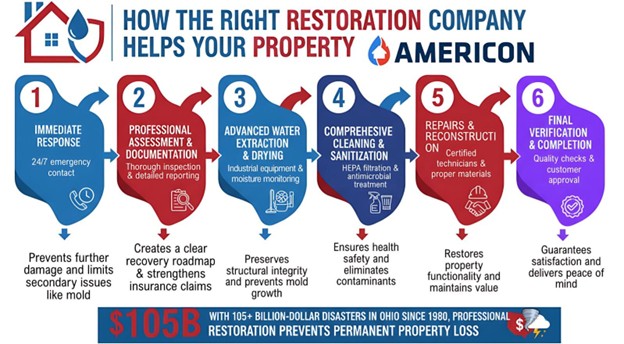
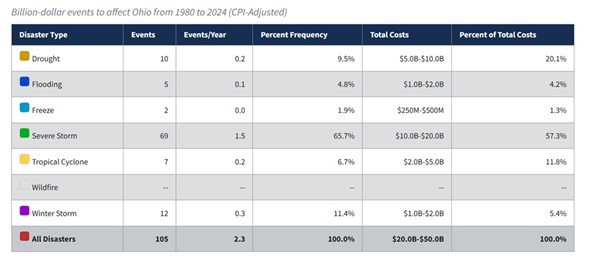
A reliable property restoration team uses specialized equipment and certified technicians to handle multiple types of damages your property suffers from. The need for these services is clear when you look at the numbers. From 1980-2024, there were 105 confirmed natural disaster events in Ohio, with losses exceeding $1 billion each.
When there is a potential of losses to reach billions, fast and professional restoration services can be the difference between salvaging your property or facing permanent destruction. Long-standing local providers like Americon Restorations and large national companies like BELFOR Property Restoration serve the people when it comes to property restoration in Akron and Cleveland. The best companies will make sure to act quickly after a fire, water, and storm damage, so that recovery can begin before the problem gets even worse.
7 Steps for Property Restoration After Fire, Water, or Storm Damage in Akron and Cleveland
In Akron and Cleveland, disaster response services like Americon Restoration focus on quick recovery, like water extraction and fire cleanup, and long-term stability, which include reconstruction and insurance claim support. Residents need to follow these seven steps below to restore their property with fewer surprises and reduce costs.
Step 1: Safety and Initial Hazard Control
Making your property safe is the first step. Be certain to turn off your electricity or gas lines if there is fire or structural damage. Board up broken windows and walls after a storm and make sure to add support to weakened structures.
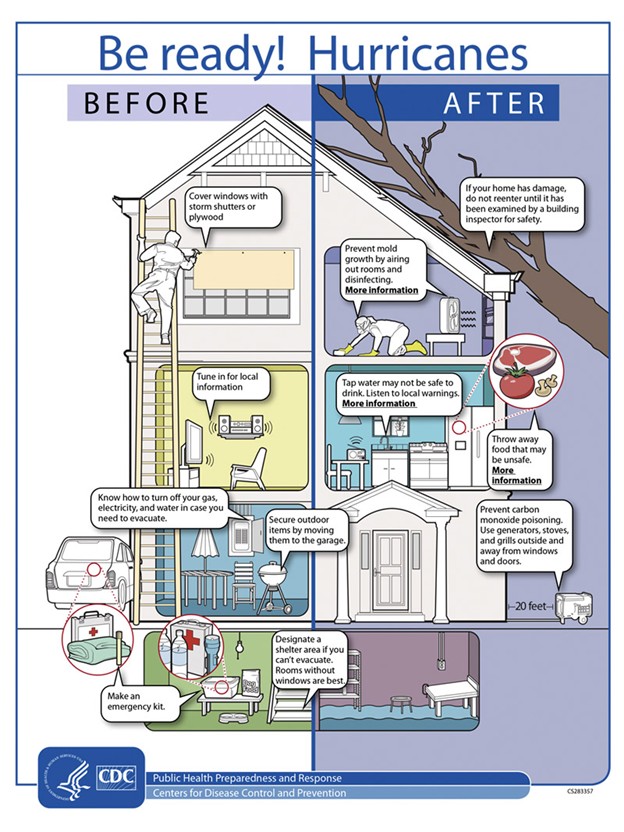
The CDC reports that if you return too soon to your homes after a disaster, you risk injury. If you rush inside, you expose yourself to contaminated floodwater, electrical hazards, structural damage, mold inhalation and other hazards. And even when restoration is done after flood, make sure to stick to CDC guidelines when rentering, which include:
Step 2: Assessment of Damage and Documentation
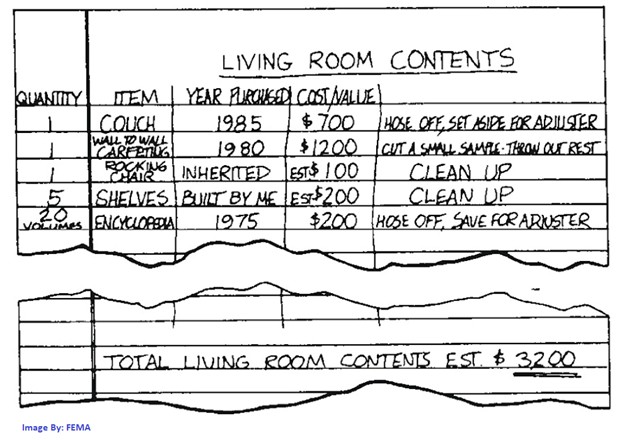
A professional disaster recovery team will check the whole damage incurred by the property. They check fire soot spread, water penetration, mold risk, structural integrity, and storm-related roof or window damage. They will also document the damage with photos and detailed notes, as well as use measurement tools.
FEMA advises residents not to delay damage documentation, or they risk the insurance company denying or reducing payout.
Step 3: Emergency Water Extraction and Drying
Water causes secondary damage very quickly. If flood water makes its way into the bones of the property, it will cause mold, weaken structure, and damage its finishes. The best technicians will use pumps and industrial extraction tools to quickly remove water. They will include humidifiers and air movers to eliminate any remaining moisture.
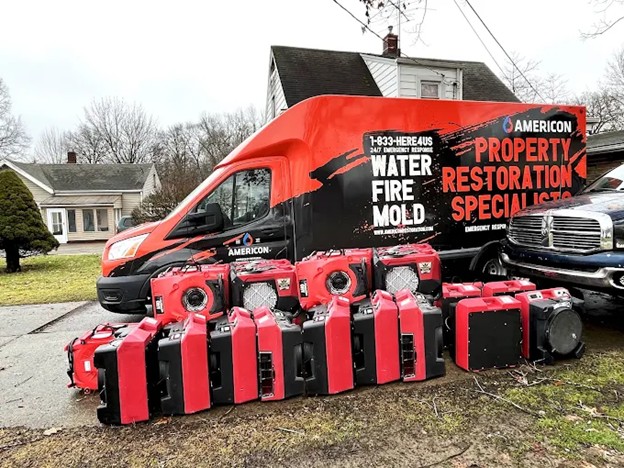
In addition, they may have moisture meters to measure any hidden dampness situated under floors and behind walls. If technicians don’t work with modern equipment, their restoration project will not get underway in a timely manner and will cost them more.
Step 4: Cleaning Fire, Smoke, and Soot
When the area is affected by a fire disaster, your initial thought may be that flame concern is the primary concern. But, soot and smoke odor can often cause the most unseen damage; damage that is often permanent. If the restoration crew doesn’t quickly remove the smoke particles from the HVAC system and other surfaces, they can cause odors and pulmonary health risks.
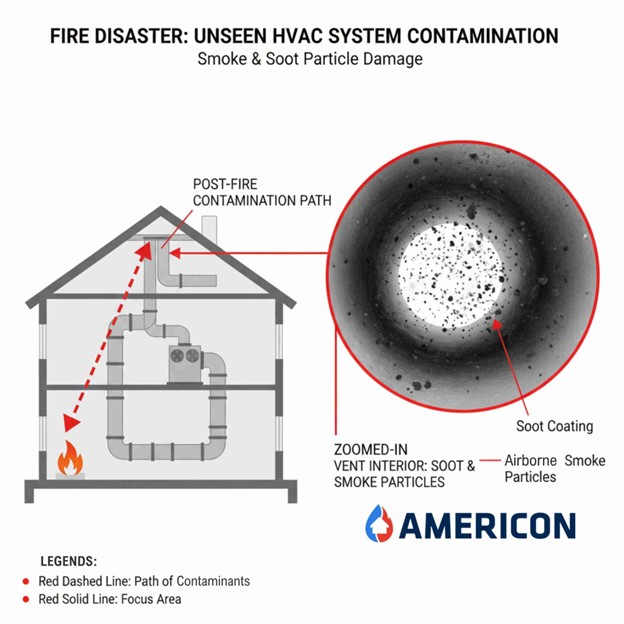
An experienced team will clean building materials, scrub down soot, sanitize surfaces, and ensure the smell is gone for good along with smoke particles. But that’s not it, a complete fire and smoke restoration process will fix visible damage as well as hidden contamination.
Step 5: Mold Remediation and Prevention
When you don’t remove moisture completely, it will result in mold growth in as little as 24-48 hours. This mold can make asthma worse and cause other respiratory problems.
Mold remediation crews start by sealing off the areas where mold is present so it doesn’t spread to the rest of the property. They bring in HEPA air scrubbers to filter spores from the air and remove any drywall, insulation, or other materials that can’t be saved.
To keep mold from coming back, specialists apply antimicrobial treatments, fix leaks, improve airflow, and put moisture control measures in place to protect the home in the future.
Step 6: Structural Repair and Rebuilding
The reconstruction process will start when it is safe, dry, and clean for the technicians to reach and work on the site. This process will cover plumbing, electrical systems repairs, roof repair, drywall and insulation replacement, and interior structure restoration, including paint, flooring, and fixtures.
The process is a little complex for larger properties. Technicians in Cleveland will perform safety inspections and adhere to building codes when restoring commercial property. To allow you to use some areas of the building more quickly, they may also do phased work.
Step 7: Insurance Claims, Final Inspection, and Customer Handover
This is the final step and ties together the restoration work with financial recovery. The Ohio Committee for Severe Weather Awareness reports that the average claimout for flood damage in Ohio was $16,224 in 2021.
The best disaster response companies will gather documentation like photos, invoices, and repair estimates, and work with insurance adjusters to claim damages. Once a large chunk of repairs is done, they will conduct a final inspection for safety and code compliance and to see if all damage has been fixed. After this, the home will be ready for occupants and businesses will be able to resume their operations.
Why Do You Need Professional Help for Property Restoration in Akron and Cleveland, OH
As a property owner, you may be tempted to DIY property restoration. Never do that because it can leave dangerous problems unresolved. Mold may keep growing inside the wall stealthily long after you have cleaned the surface stains. Smoke particles may stay in the HVAC unit and corrode it from the inside. Roofs and foundations may have remaining structural weaknesses which can cause huge safety risks for you.
Professional property restoration companies make a big difference. They have certified restoration teams who have training and equipment and who take protective measures that homeowners don’t. The best all-in-one contractors offer 24/7 response, like emergency water damage cleanup in Ohio, without which your property may face total loss.
Ohio has many disaster response companies like BELFOR Property Restoration but there is something to be said for a local, community-based restoration service that knows the area and the people.
For over 100 years, Americon Restoration has helped families and businesses in Ohio get back on their feet after disasters.
- We have IICRC-certified technicians for fire, water, and mold remediation
- Our technicians are vetted and put through a trial period before they can work for a client
- We offer 24/7 emergency because we know disasters don’t come with a warning
- We have a safety first policies and follow EPA and OSHA standards
- We communicate directly with insurers and collect payment only after they release the funds
- We offer insurance assistance, support with documentation, and negotiation for claims
- We have hundreds of positive reviews online from Ohio residents
Americon Offers Top-Notch Property Restoration in Akron, Cleveland:
Disasters are unpredictable but if you take action quickly, you can reduce long-term damage. When you have a single dependable company for fire, flood, and storm damage restoration, it can help you recover quickly and save time and money.
Americon Restoration offers complete services for property restoration in Akron and Cleveland and helps families and businesses get back to normal faster. Call us anytime at +1 216-221-5200 for 24/7 response and professional recovery assistance.
Frequently Asked Questions:
How does an Akron restoration company ensure full smoke odor removal from HVAC and porous building materials after fire damage?
HVAC ducts are cleaned using specialized vacuums, deodorizing agents are then applied, and they also replace filters. If the building materials are porous, thermal fogging, hydroxyl and ozone treatments are also used. Sometimes the surface needs to be sealed as well.
How are personal belongings affected by water, mold, or smoke restored?
Restoration crews understand that it’s a very delicate process so strict protocols are employed to first sanitize the items using ultrasonic cleaning for sensitive items, antimicrobial treatments are used for mold-infested things, and freeze-drying is done for wet documents. The crew thoroughly inventories, packs, and restores these items with great attention and care.
How do Akron restoration experts coordinate with insurance adjusters to document damage and expedite claims for multiple damages?
If a property has combined damage of water, fire, and smoke, the team coordinates with insurers by documenting all damages, capturing photos/videos of affected areas, and creating detailed estimates. The reports are sent to the insurer, and after communicating with adjusters, the claims process is tracked to ensure faster approval.
 Loading...