5 Reasons You Need Data Restoration Services
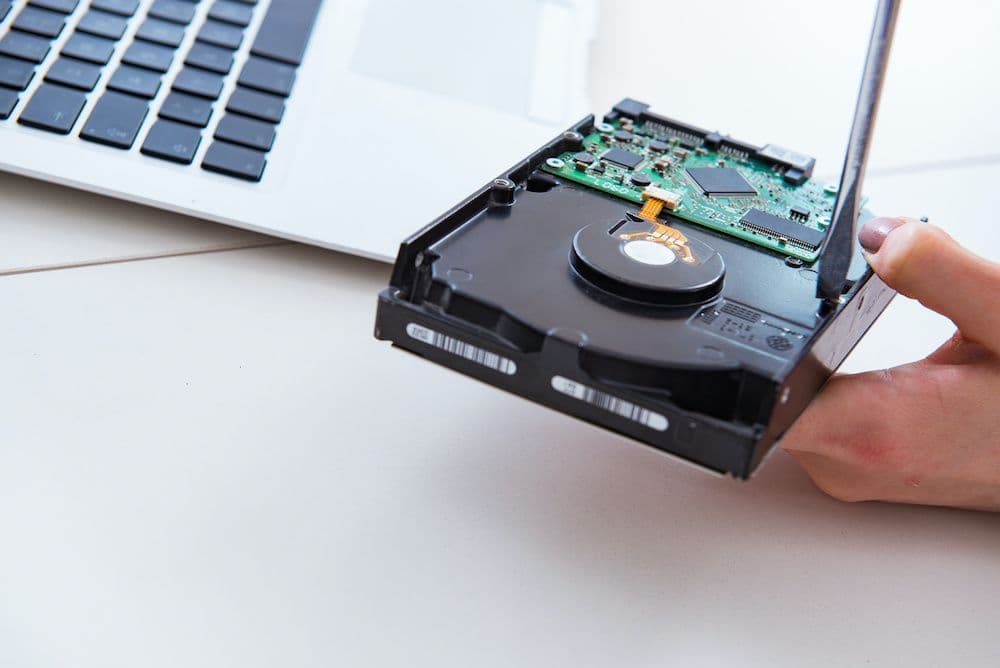
Deleted files, corrupted drives, and cyberattacks happen more often than you'd think. Here are five reasons data restoration services are worth having on speed dial.
Deleted files, corrupted drives, and cyberattacks happen more often than you'd think. Here are five reasons data restoration services are worth having on speed dial.
Digital files have all but replaced paper records, but data storage is more fragile than it seems. Unintentional deletion, file corruption, cyber attacks, and plain hardware failure are sometimes unavoidable. If you have ever lost data from a computer, phone, or other sensitive equipment, you know the sinking feeling that comes with realizing everything is suddenly gone.
Free online retrieval tools exist, but they are usually very limited, and some are malicious software posing as recovery tools. There will be situations where you have no choice but to call a data restoration specialist to avoid doing further harm to your storage device.
For related background, explore data recovery services and how recovery differs from restoration.
What Is Data Restoration?
Data restoration is the process of retrieving data after a loss and returning it to accessible, usable files. It applies in cases such as inadvertent file deletion, incorrect formatting, device boot problems, failed software, and physical damage to the device itself.
It is related to, but not identical to, data recovery. Recovery focuses on getting data off damaged or failed media; restoration is about returning that data, and the systems it belongs to, to a working state. For the full breakdown, see our guide to the difference between data recovery and data restoration.
5 Reasons You Need Data Restoration Services
1. Physical Damage Happens
Data loss occurs when physical hardware is damaged: natural disasters, fire, water, and accidents such as dropping a computer. Flood or fire damage that soaks or heats a drive is beyond software fixes. Specialists can decontaminate and clean a damaged drive, take it apart in clean, temperature-controlled rooms, rebuild corrupted parts, and pull data off it piece by piece.
If a drive is truly unrepairable, retrieval may be difficult or impossible, which is exactly why the first attempt should be a professional one.
2. Human Error Is the Most Common Cause
Humans make mistakes. You can accidentally delete an important file or overwrite an existing one, and a single wrong click can have a devastating impact on a business. Deleted and overwritten files are often recoverable if the device is not used further, because continued use writes new data over the old. A specialist knows how to recover as much as possible without causing further damage.
3. Breaches and Ransomware Can End a Business
Data is everything to a modern business: purchase records, passwords, client information, the very infrastructure of the operation. Online attackers, malware, ransomware, and hackers can steal or lock that data, and businesses have been losing data this way for years. In the worst cases, the loss leads to closure of the company. Restoration services, working from surviving media and backups, are often the only path back to operating.
4. Viruses Corrupt Files Quietly
A virus can corrupt files, data, and information stored on a device, sometimes long before anyone notices. The recovery process can be tedious, and if the damage is severe, not everything may be recoverable. Even so, specialists using dedicated software can repair and recover files that consumer tools cannot, and can do it without spreading the corruption further.
5. Systems Fail Without Warning
Even operating systems cause data problems. If the operating system fails to load, it can look like your data is gone with it. Often it is not: the files are intact on a drive the system can no longer read. Restoration specialists can access the drive directly, retrieve the files, and return them in usable form.
What Can Be Recovered?
A surprising amount. Using specialized equipment, data restoration professionals can piece a hard drive back together and get it running, then repair the files, including photographs and documents. The amount that can be repaired and restored depends on the extent of the physical damage to the drive, which is why an assessment comes before any promise.
How Does Data Restoration Work?
For human error and file corruption, the process is advanced but fairly straightforward: specialized software is run on the affected device to repair and recover the files.
Physical damage is different work. A fire- or water-damaged drive is decontaminated and cleaned carefully, then taken apart. Experienced professionals work in very clean, temperaturecontrolled rooms with specialized equipment to rebuild parts that are corrupted or damaged,
pull pieces of data off the drive, and run them through software that reassembles them into accessible files.
What Drives the Cost and Timeframe?
Neither is fixed, because both depend on the damage. Logical problems (deletion, corruption, formatting) are software work and are usually the faster, cheaper cases. Physical damage (fire, water, impact) means clean-room labor, parts, and painstaking reassembly, and takes longer. The honest answer is that a reputable service assesses the device first and quotes after assessment, rather than promising a price or a recovery percentage in advance. Any service that guarantees 100% recovery before looking at the drive is overselling.
Is Data Restoration Just for Businesses?
No. Businesses are not the only ones who benefit. If you have lost data that matters to you personally, such as family photos that were never backed up to a cloud server, careful restoration by experts may be the only way to bring those memories back.
What to Do When You Lose Data
First, protect what remains. Backups are the real protection: perform regular backups of important and sensitive files, and recovery becomes quick and easy. When loss happens anyway, stop using the affected device, because continued use can overwrite recoverable data. Do not attempt the recovery yourself unless you know exactly what you are doing, and be cautious with free tools, some of which are malicious. Call a professional data restoration service: they can recover your data, and in physical cases, repair damage to the storage device itself.
Do You Need Data Restoration Services in Cleveland?
Have you lost your data? You can count on Americon Restoration. We are a restoration company and a Cleveland data recovery expert. We have successfully restored many electronic items, including tablets, computers of every size, type, and brand, printers, and more. Contact us through our website or by phone at (216) 221-5200.
Frequently Asked Questions
Is data restoration the same as data recovery?
Not quite. Data recovery is retrieving data from damaged, failed, or inaccessible media. Data restoration is returning that data, and the systems it belongs to, to an accessible, working state. The two overlap heavily, and most jobs involve both.
Can data be recovered from a fire-damaged or water-damaged drive?
Often, yes. The drive is decontaminated and cleaned, taken apart in a clean, temperaturecontrolled room, and rebuilt so data can be pulled off it in pieces and reassembled into files.
Success depends on the extent of the damage, and a drive that is completely destroyed may not be recoverable.
How long does data restoration take?
It depends on the damage. Logical problems such as deletion or corruption are software work and are usually faster. Physical damage requires clean-room work and reassembly, which takes longer. A reputable service assesses the device first and gives a timeframe after assessment.
How much does data restoration cost?
Cost follows the same drivers as timeframe: logical recovery is software work, while physical damage adds clean-room labor and parts. Expect a quote after assessment rather than a fixed price in advance, and be wary of any service that guarantees full recovery before examining the device.
Can personal photos and documents be recovered?
Yes, if the media survives. Family photos and documents are among the most common personal recoveries, especially when they were never backed up. Stop using the device as soon as you notice the loss, because continued use can overwrite the data.
Should I try free recovery software first?
Use it cautiously, if at all. Free tools are limited, cannot help with physical damage, and some are malicious software posing as recovery tools, which can cause more damage or steal data. For data you cannot afford to lose, a professional first attempt gives the best chance of full recovery.