After a Tornado or Flash Flood: Stabilization First
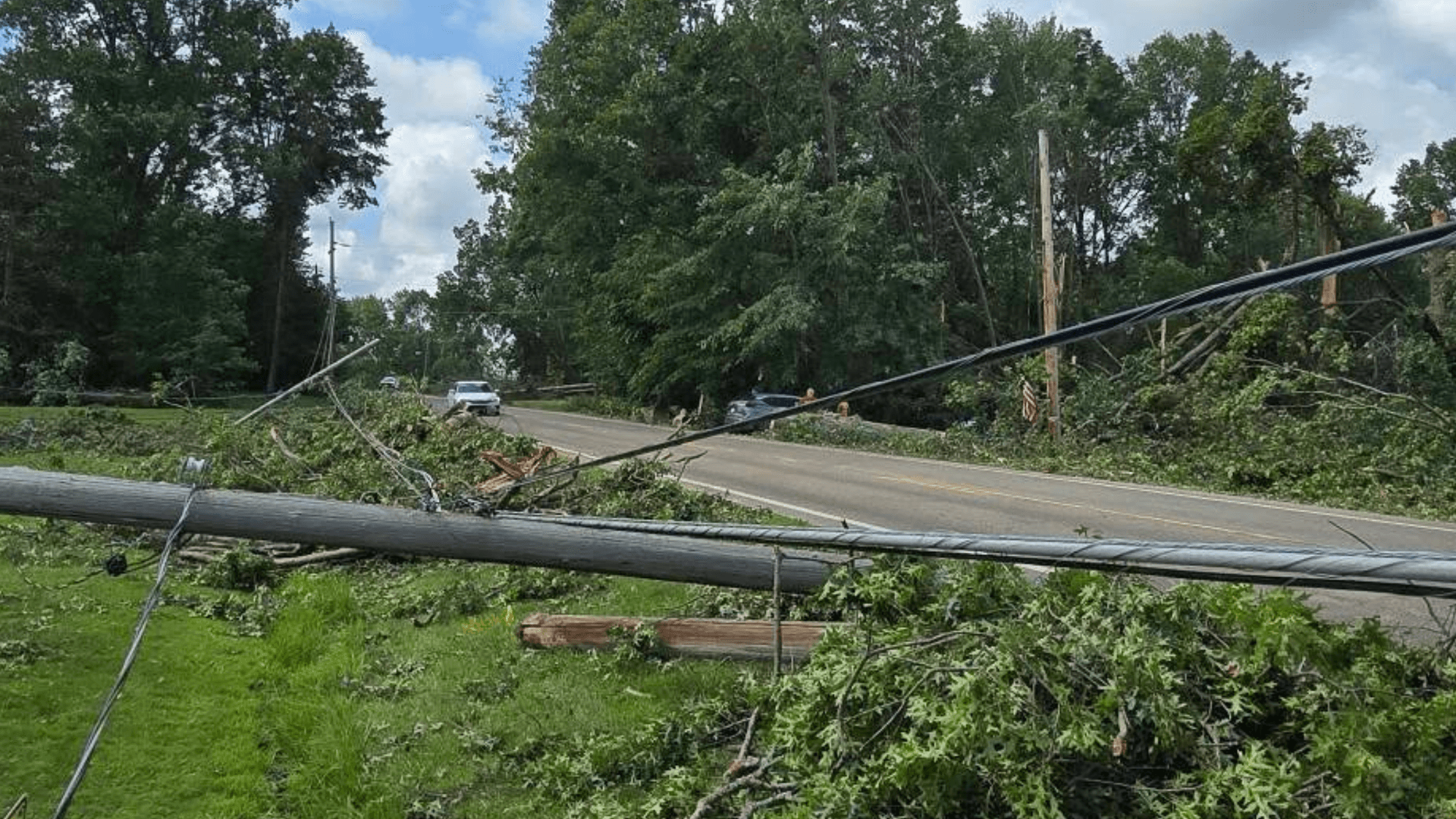
When a tornado or flash flood tears through your area, the first hours are about survival, safety, and stabilization — not rebuilding. Here's what that means, why downed power lines and floodwater are so dangerous, and what to expect when Americon Restoration is on the way.
A tornado or flash flood does not damage one home — it overwhelms an entire community in minutes. Roofs are torn open, streets turn into rivers, power lines come down, and hundreds of families need help at the same time. In that chaos, it is natural to want everything fixed at once. But professional disaster clean-up does not start with repairs. It starts with safety and stabilization — the steps that protect your family and stop the damage from getting worse while the larger recovery is organized.
Americon Restoration has guided communities through major storms since 1912, with 24/7 response and white-glove service. Here is how the process really works after a severe weather event, and what to expect when our team is headed your way.
Step 1: Storm Safety — Treat Power and Water as Deadly
After a tornado or flash flood, the single greatest danger is the combination of downed power lines and standing water. Floodwater can be energized by fallen lines far from where you are standing, and electrocution is a real risk even when outlets appear above the waterline — water wicks up inside walls and reaches wiring at any height.
Before anyone re-enters a storm-damaged home:
- Stay out of floodwater. Per the CDC, floodwater can contain downed power lines, sewage, chemicals, sharp debris, and wildlife — and can cause infections and serious illness.
- Assume every downed line is live. Keep far away and report it to your utility and 911.
- Do not enter rooms with standing water if the power is on. If you cannot shut off the breaker without stepping in water, do not touch it.
- If the panel is flooded or the home is structurally unsafe, stay out entirely and wait for the utility company or emergency crews to disconnect service.
Here is the part many homeowners do not realize: the electrical hazard has to be cleared before restoration work can begin. Our crews cannot safely extract water or run equipment in a home with a live electrical danger. After a major storm, that often means waiting for the utility to cut power to the area or the structure first. Once the hazard is removed, a safe, working power source is needed to run the pumps, dehumidifiers, and air scrubbers stabilization requires — so during widespread outages our crews frequently bring generators. In short: the hazard comes down first, then safe power is established, and only then can the work start.
Step 2: Confirm the Structure and Document
After a tornado especially, the building itself may be compromised — roof loss, wall failure, or foundation shifting. Do not enter a structurally unsafe home. Once it is cleared, photograph and video everything before anything is moved. In a major storm event, thorough documentation is critical, because adjusters are handling a surge of claims at once.
Step 3: Storm Stabilization — What Happens First
Stabilization is the emergency phase that stops the damage from spreading. It is not the full repair; it is the critical work that protects your home while the larger project is planned. After a tornado or flash flood, that work is especially urgent because storm water is almost always contaminated. When Americon arrives, here is what stabilization looks like:
- Emergency roof tarping and board-up to close storm openings against ongoing rain.
- Extract standing and contaminated floodwater with truck-mounted and portable pumps.
- Remove damaged porous materials like carpet, padding, and saturated drywall — which, after flood exposure, usually cannot be salvaged.
- Install dehumidifiers and air scrubbers to dry the structure and filter contaminants, preventing secondary damage like mold and warping.
- Monitor moisture so materials dry to a verified standard.
This mirrors the IICRC S500 standard, the industry benchmark for water damage restoration, which prioritizes rapid mitigation to prevent the far more expensive damage that develops after 48–72 hours. Because flood and storm water is typically Category 3 ("black water"), it requires specialized handling and disposal to keep your family safe.
What to Expect From Us During Stabilization
When your stabilization is scheduled, here is the note you can expect from our team — and what it means:
This is Americon Restoration. Thank you for trusting us with your home. Your stabilization is scheduled to begin today. The team will contact you when en route. During stabilization, we'll extract standing water, remove damaged porous materials like carpet and padding, and install dehumidifiers and air scrubbers to help prevent secondary damage. We'll contact you within 24–48 hours after stabilization begins with an update and the next steps for your project. If you have any questions, we're here to help.
That message is our promise: clear communication, a defined scope for the emergency phase, and a follow-up so you are never left wondering what comes next — even when an entire region is calling at once.
Step 4: The Gap Between Stabilization and Full Mitigation
Here is something storm-affected homeowners deserve to understand up front. After a major event, emergency calls surge across the whole region at the same time. Because of that volume, there is usually a wait before full mitigation begins — typically 48–72 hours, and sometimes longer after a widespread tornado or flood.
This is normal and, importantly, it is safe. Stabilization is specifically designed to hold your home in a protected state during that window: the openings are tarped, the contaminated water is out, the ruined porous materials are gone, and the drying equipment is actively preventing mold and structural damage while your full project is scheduled. Prioritizing life-safety emergencies first is part of responsible disaster response — and your stabilized home is not deteriorating while it waits its turn.
Step 5: Full Mitigation and Restoration
Once your project moves into full mitigation, the work expands: complete structural drying, controlled demolition where needed, antimicrobial treatment, and eventually full reconstruction to return your home to pre-loss condition. We coordinate directly with your insurance adjuster throughout — a major advantage when thousands of neighbors are filing claims at the same time.
FAQ
Is it safe to go back into my home after a tornado or flood?
Only after the structure is confirmed safe and the electrical hazard is cleared. Stay out of floodwater and away from downed lines, and do not enter a room with standing water if the power is on.
Why can't full repairs start right away after a major storm?
Stabilization stops the damage immediately, but full mitigation requires structural assessment, drying verification, and insurance coordination — and after a widespread event, emergency call volume means a typical 48–72 hour window between phases. Your stabilized home is protected during that time.
Why does flood water have to be handled differently?
Storm and flood water is usually contaminated (Category 3), carrying sewage, chemicals, and debris. It requires specialized extraction, protective equipment, and proper disposal under IICRC protocols.
Will insurance cover storm stabilization?
Sudden storm damage is typically covered, and emergency mitigation is usually reimbursable. Note that rising floodwater may require separate flood insurance. We document everything to support your claim.
Hit by a Storm? Call Americon 24/7
When a tornado or flash flood turns your world upside down, fast, professional stabilization protects your home and your family — even when the whole community needs help at once. Americon Restoration responds 24/7 with the white-glove service families have trusted since 1912, from the first safety check through full reconstruction.