Fire Damage Restoration Cleveland, OH: Quick and Reliable Recovery
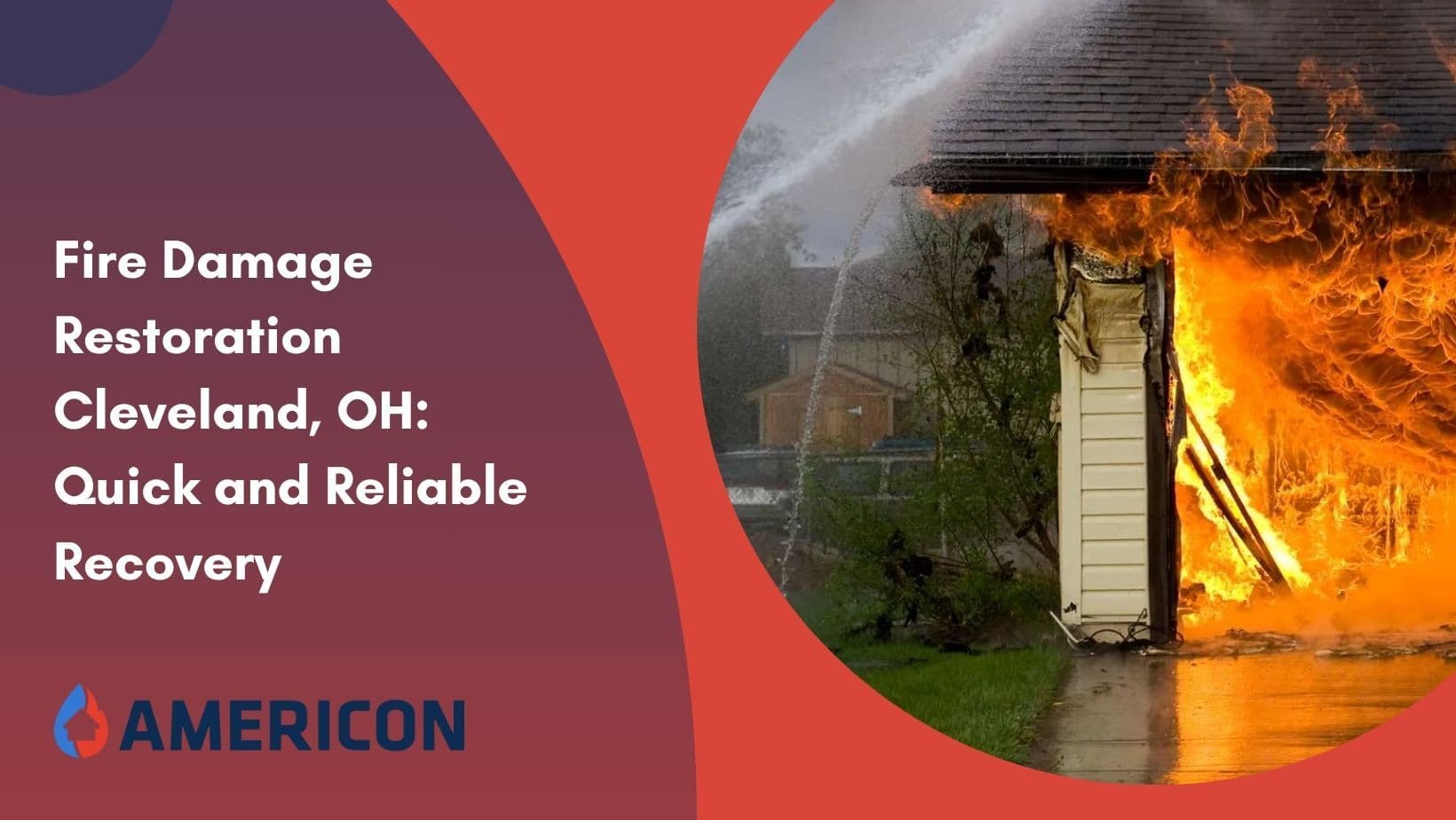
A fire leaves behind more than char — smoke and soot damage can spread throughout a property. Here's what fire damage restoration in Cleveland involves.
A fire leaves behind more than char. Smoke and soot damage can spread throughout a property, and the water used to fight the fire creates its own damage. Here's what fire damage restoration in Cleveland involves, step by step.
Fire damage restoration is the process of cleaning, repairing, and restoring a property damaged by fire, smoke, and water. It covers the visible destruction and the hidden dangers: smoke residue that corrodes surfaces, soot in the HVAC system, weakened structural materials, and moisture that will grow mold if it is not dried. Whether the fire was a small kitchen fire or a large blaze, a fire damage restoration company helps you recover more quickly and safely than cleanup alone.
The Fire Damage Restoration Process: 7 Steps
Step 1: Safety and Hazard Control
Making the property safe comes first. Turn off electricity and gas if there is fire or structural damage. Board up broken windows and openings, and support weakened structures. Do not rush back inside: the CDC warns that returning too soon after a disaster risks injury from electrical hazards, structural damage, contaminated water, and mold inhalation. Restoration crews secure the property before any cleanup begins.
Step 2: Assessment and Documentation
A professional team assesses the whole property: fire and soot spread, water penetration from firefighting, mold risk, and structural integrity. The damage is documented with photos, detailed notes, and measurements. FEMA advises residents not to delay documentation, because insurers can deny or reduce payouts when the damage record is incomplete. This documentation drives both the restoration plan and the insurance claim.
Step 3: Water Extraction and Drying
Firefighting leaves standing water, and water causes secondary damage quickly. Technicians use pumps and industrial extraction tools to remove it, then air movers and dehumidifiers to eliminate remaining moisture, checking hidden dampness under floors and behind walls with moisture meters. This step usually takes about 3.5 days, and skipping or rushing it is how mold problems start.
Step 4: Cleaning Fire, Smoke, and Soot
Flames are not the only concern. Soot and smoke odor cause unseen damage that can become permanent: smoke particles settle in the HVAC system and on surfaces, where they corrode materials and create health risks. Crews clean building materials using dry cleaning, wet cleaning, and soda blasting, scrub down soot, sanitize surfaces, and deodorize. HEPA air scrubbers and filtration clear the air, and HVAC ducts are cleaned so smoke odor does not recirculate. Smoke and soot removal takes about 2 days, with deodorization and air filtration about 1.5 days.
Step 5: Mold Remediation and Prevention
If moisture is not removed completely, mold can grow in as little as 24 to 48 hours, and it can make asthma worse and cause other respiratory problems. Mold crews seal off affected areas so spores do not spread, filter the air with HEPA scrubbers, and remove drywall, insulation, or other materials that cannot be saved. To keep mold from coming back, specialists apply antimicrobial treatments, fix leaks, improve airflow, and put moisture controls in place.
Step 6: Structural Repair and Rebuilding
Reconstruction starts when the site is safe, dry, and clean. This covers plumbing and electrical repairs, roof repair, drywall and insulation replacement, and interior restoration including paint, flooring, and fixtures. For commercial properties, technicians perform safety inspections and follow building codes, and phased work can let you use parts of the building sooner. Repairs and restoration are the longest stage, around 14 days for a typical job, and longer when the structural scope is larger.
Step 7: Insurance Claims, Final Inspection, and Handover
The final step ties the restoration work to financial recovery. The restoration company gathers documentation (photos, invoices, repair estimates) and works with insurance adjusters on the claim. When repairs are complete, a final inspection checks safety, code compliance, and that all damage has been fixed. After that, the home is ready for occupants and businesses can resume operations.
Learn more about insurance claims and the restoration process.
How Long Does Fire Damage Restoration Take?
Phase by phase, on a typical Cleveland job: assessment is quick, usually the same day. Smoke and soot removal takes about 2 days. Water extraction and drying take about 3.5 days. Deodorization and air filtration take about 1.5 days. Repairs and restoration are the longest stage at around 14 days, because that is the work of bringing the house back to its pre-damage condition. Larger fires, deeper soot spread, and more structural damage stretch every phase.
What Does Fire Damage Restoration Cost?
No honest figure exists without an assessment, because five drivers set the price: the size of the fire and how far soot spread through the property; how much water firefighting left behind; whether structural elements (roof, framing, flooring) need rebuilding or only cleaning; how much content cleaning and restoration is involved; and how quickly the work starts, since soot corrodes and mold grows while a property sits. Get the scope in writing, and be wary of any firm total quoted before assessment and documentation.
Why Professional Help Matters
It is tempting to handle cleanup yourself. Do not. Mold can keep growing inside walls long after surface stains are cleaned. Smoke particles stay in the HVAC system and corrode it from inside. Roofs and foundations can keep structural weaknesses that create serious safety risks. Professional companies bring certified teams, industrial equipment, and protective measures homeowners do not have, plus the documentation insurers require.
Choosing a Fire Damage Restoration Service in Cleveland
- 24/7 availability. Fire damage can happen at any time, so choose a company with 24/7 emergency response that starts immediately and limits further damage.
- Certification and experience. Technicians should be certified (IICRC is the industry standard), and the company should have specific fire restoration experience, because fire requires a different skill set than water alone.
- Advanced equipment. Look for air scrubbers, thermal foggers, industrial dehumidifiers, and moisture meters: the tools that remove soot, water, and odors completely.
- Insurance claims assistance. Fire claims are not easy. The right service documents everything and works with your insurer to support the claim.
- Reviews and reputation. Read reviews and ask for references. Companies with strong reviews and clear communication from beginning to end will likely do a better job.
Preventing Fire Damage: Tips for Keeping Your Property Safe
- Install smoke detectors on each floor, test them regularly, and change the batteries when needed.
- Maintain electrical systems. Bad wiring and overloaded circuits start fires; have a skilled electrician check your wiring and replace damaged wiring.
- Keep fire extinguishers handy in kitchens, garages, and utility rooms, and know how to use and maintain them.
- Clean chimneys and HVAC systems regularly. Fireplaces and wood stoves need annual chimney cleaning, and HVAC systems should be inspected annually.
Fire Damage in Cleveland? Call Americon Restoration
Americon Restoration removes soot, deodorizes, and restores your home or business toward its pre-fire condition, with IICRC-certified technicians, 24/7 emergency response, and insurance assistance from documentation through negotiation. If your home or business in Cleveland has suffered fire damage, call Americon Restoration at (216) 221-5200 for immediate recovery assistance.
Frequently Asked Questions
How do restoration companies remove smoke odor from HVAC systems and porous materials?
HVAC ducts are cleaned using specialized vacuums, deodorizing agents are applied, and filters are replaced. For porous building materials, thermal fogging, hydroxyl, and ozone treatments are used, and sometimes the surface needs to be sealed as well.
Can personal belongings damaged by water, mold, or smoke be restored?
Often, yes. Crews inventory, pack, and restore items using strict protocols: ultrasonic cleaning for sensitive items, antimicrobial treatments for mold-affected things, and freeze-drying for wet documents.
How do restoration experts coordinate with insurance adjusters?
The team documents all damage with photos and videos, creates detailed estimates, and sends the reports to the insurer. They then communicate with adjusters and track the claims process to support faster approval.
How long does fire damage restoration take?
On a typical job, about three weeks end to end: assessment the same day, smoke and soot removal about 2 days, extraction and drying about 3.5 days, deodorization about 1.5 days, and repairs around 14 days. Larger structural scope extends the timeline.
What should I do right after a fire?
Stay out until the property is cleared as safe, turn off utilities if it is safe to do so, and do not delay documenting the damage with photos and notes, because insurers can reduce payouts on incomplete records. Then call a fire damage restoration company with 24/7 response.
Who pays for fire damage restoration?
Usually the property owner or their insurer. When the fire is covered, the insurer typically pays based on the documented claim, which is why thorough documentation from the first day matters.
Related reading: Disaster restoration services in Ohio