
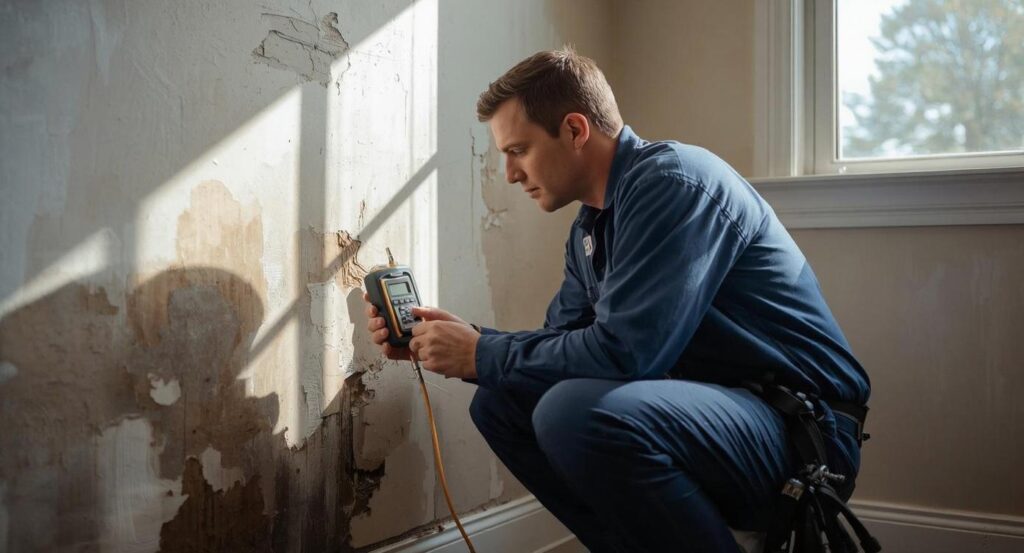
Dealing with water damage in your home can feel completely overwhelming. One moment everything is fine, and the next you are facing the stress and urgency of water threatening the safety and comfort of your living space.
As you work through this unexpected situation, it helps to understand two essential steps toward recovery: water damage mitigation and water damage restoration. While they may sound similar, these two processes serve very different purposes. Both play a critical role in getting your Ohio Valley home back to normal, and knowing the difference helps you understand exactly what your restoration company is doing and why.
This blog explains what each process involves and how they work together to bring your home back to its pre-damage condition.
What Is Water Damage Mitigation?
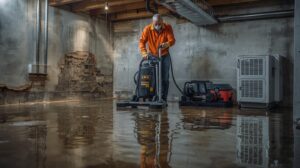
Water mitigation is the process of reducing and preventing further property damage immediately after a water-related incident. It is an emergency response, and timing is everything. Events like burst pipes, roof leaks, flooding, and sewage backups can cause extensive damage within hours. Fast action during the mitigation phase is what limits how much of your home is affected.
The core processes involved in water damage mitigation include:
- Water Extraction — Removing standing water using industrial pumps and vacuums
- Drying and Dehumidification — Using commercial-grade dehumidifiers and air movers to dry all affected areas
- Mold Prevention — Applying antimicrobial treatments to stop mold from colonizing damp surfaces
- Property Securing — Boarding up windows, doors, or compromised entry points to protect against further damage or weather intrusion
Proper water damage mitigation minimizes your total losses. It also sets the foundation for a faster, more efficient restoration process once the emergency phase is complete.
What Is Water Damage Restoration?
If mitigation is about stopping further damage, restoration is about repairing everything that was damaged. Water damage restoration focuses on returning your property to its pre-damage condition. The goal is to ensure your home is safe, fully functional, and livable again.
Restoration is typically needed after flooding, prolonged leaks, storm intrusion, or any significant water event. It begins only after mitigation is complete and the property has been fully stabilized and dried.
Water damage restoration commonly involves:
- Debris Removal — Removing damaged and unsalvageable materials including drywall, flooring, and insulation
- Cleaning and Sanitizing — Treating all affected surfaces to remove contaminants and prevent future mold growth
- Repairs and Restoration — Repairing and replacing damaged structural elements including walls, floors, and ceilings
- Reconstruction — Rebuilding entire rooms or sections of the property in cases of severe or widespread damage
Water Mitigation vs. Water Damage Restoration: Key Differences
Mitigation and restoration work together, but each serves a distinct purpose in the recovery process. Here is how they differ across four important areas.
1. Purpose and Focus
Water damage mitigation is an emergency response. Its primary purpose is to stop damage from spreading immediately after a water event. The focus is on stabilizing the situation, salvaging what can be saved, and reducing the overall impact as quickly as possible.
Water damage restoration has a different focus entirely. It begins after mitigation is complete and concentrates on repairing and rebuilding. This phase addresses structural damage, replaces materials that could not be saved, and resolves secondary issues like mold that developed during or after the initial event.
2. Scope of Work
The scope of mitigation work is immediate and targeted. It involves emergency actions like water extraction, dehumidification, and creating barriers against additional water intrusion. The work is focused, fast, and designed to stop the situation from getting worse.
Restoration involves a much broader scope of work. It goes well beyond the emergency response and includes detailed repairs such as installing new drywall, replacing flooring, and in some cases addressing electrical systems and plumbing. Restoration is about bringing the full function and appearance of your home back to what it was before the damage occurred.
3. Timing
Timing is critical in the mitigation phase. The sooner it begins, the more damage can be prevented. Water damage mitigation should ideally start within 24 to 48 hours of the incident. In the Ohio Valley, where burst pipes during winter and basement flooding in spring are common events, a fast response is especially important.
Restoration follows after mitigation and begins once the property is stable and free from immediate threats. It is less time-sensitive than mitigation, but it still needs to begin in a reasonable timeframe to prevent secondary issues from developing or worsening.
4. Duration
Water mitigation is a relatively short-term process. Depending on the severity of the damage, it typically takes anywhere from a few hours to a few days to complete. The focus is on quick and efficient action rather than detailed repair work.
Water damage restoration takes considerably longer. Depending on the extent of damage and the complexity of repairs needed, restoration can take several weeks to several months. The work is detailed, methodical, and thorough. Working with a full-service restoration company like Americon Restoration of The Ohio Valley speeds up this process significantly because one team handles everything from start to finish without the delays that come from coordinating multiple separate contractors.
Why Understanding Both Matters for Ohio Valley Homeowners
Ohio Valley homeowners in Warren, Niles, Youngstown, Howland, Austintown, Lordstown, Canfield, and Cortland face water damage risks throughout the year. Harsh winters bring burst pipes and ice dam damage. Spring snowmelt and heavy rainfall cause basement flooding and foundation seepage. Summer storms create roof leaks and sudden interior flooding.
Understanding the difference between mitigation and restoration helps you ask the right questions, set realistic expectations, and make informed decisions throughout the recovery process. It also helps you recognize whether a company you contact is offering a complete solution or only part of one.
A company that handles both mitigation and restoration under one roof provides a seamless path from emergency response through final repairs, which is always the most efficient and cost-effective approach for homeowners dealing with significant water damage.
Recover from Water Damage with Americon Restoration of The Ohio Valley
Navigating the aftermath of water damage is stressful, but understanding the difference between mitigation and restoration makes the path to recovery much clearer. Whether you are dealing with the immediate shock of a water event or are ready to begin the full restoration phase, working with experienced professionals who understand every step of the process makes all the difference.
Americon Restoration of The Ohio Valley provides both water damage mitigation and water damage restoration services throughout Warren, Niles, Youngstown, Howland, Austintown, Lordstown, Canfield, Cortland, and all surrounding Trumbull and Mahoning County communities. Our certified technicians are available 24/7 and handle everything from emergency water extraction through complete structural reconstruction.
Getting back on your feet after a water event does not have to be overwhelming. Find us on Google or contact us through our website to talk with our team about your mitigation and restoration needs today.
Frequently Asked Questions
1. Do I need both water mitigation and water damage restoration?
In most significant water damage situations, yes. Mitigation stops the immediate damage and dries the structure. Our team repairs everything the water damaged. Skipping mitigation and going straight to repairs causes mold growth and structural problems. Skipping restoration after mitigation leaves your home incomplete and potentially unsafe.
2. Which comes first, mitigation or restoration?
Mitigation always comes first. Our technicians must stabilize, dry, and clear the property of all immediate threats before any repair or reconstruction work can begin. Attempting restoration on wet or still-damaged materials creates recurring problems down the road.
3. How do I know if my damage requires full restoration or just mitigation?
If you caught the water event very early and it affected only a small area of non-structural surfaces, mitigation alone may be sufficient. If water damaged structural materials like drywall, flooring, insulation, or framing, you will need full restoration. A professional assessment from Americon Restoration of The Ohio Valley will give you a clear and accurate answer specific to your situation.
4. Does insurance cover both water mitigation and water damage restoration?
Most standard homeowners insurance policies cover both for sudden and accidental water events like burst pipes or appliance failures. Coverage for flooding from external sources typically requires separate flood insurance. Contact your insurer immediately after any water event and document all damage thoroughly before cleanup begins.
5. How long does the full process take from mitigation through restoration?
Mitigation typically takes a few hours to a few days depending on damage severity. Full restoration can take several weeks to several months depending on the scope of repairs needed. Your Americon Restoration technician will provide a realistic and site-specific timeline after the initial assessment.

 Loading...