
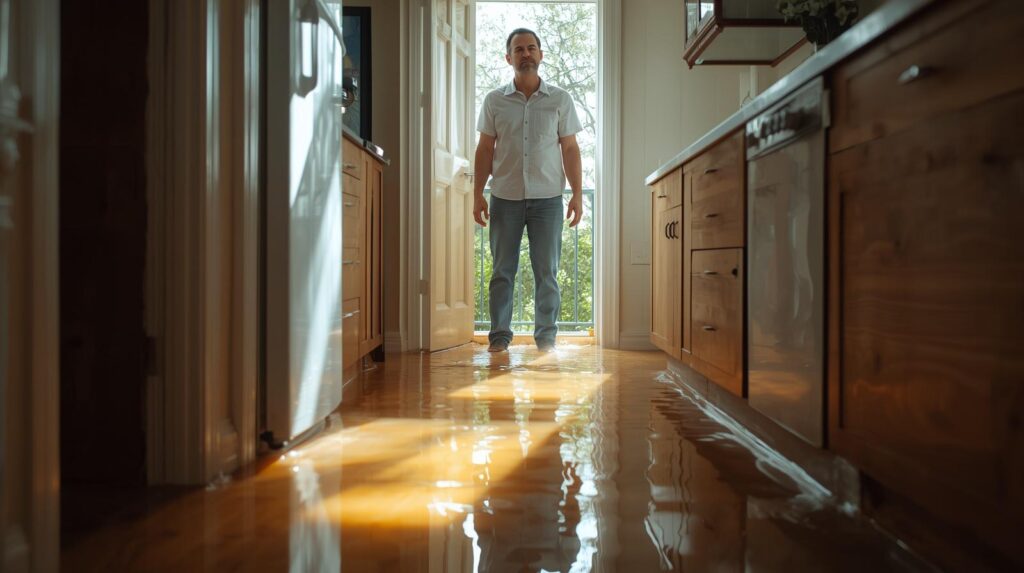
Summer is just around the corner. As temperatures rise across the Ohio Valley and the days grow longer, the season brings its own unique challenges for homeowners. While burst pipes are mostly associated with winter freezes, they can and do occur during the hotter summer months throughout Warren, Niles, Youngstown, Howland, Austintown, Lordstown, Canfield, and Cortland.
So what causes a pipe to burst in the summer? Understanding the answer helps Ohio Valley homeowners protect their properties from plumbing disasters and costly water damage before problems develop.
Can Pipes Burst in the Summer?
Yes. Pipes can burst regardless of the season or time of year.
In winter, freezing temperatures cause water inside pipes to expand outward until the pipe fails. Summer brings a different set of problems. Higher water demand, aging infrastructure, soil changes, and heat-related stress all create conditions where pipes can fail just as suddenly and cause just as much damage as a winter burst.
What Causes a Pipe To Burst in the Summer?
There are several common reasons pipes burst during the summer months in Ohio Valley homes. Knowing what to watch for helps you take action before a minor issue becomes a major water damage event.
1. Increased Water Demand
Summer activity drives water usage significantly higher. Filling pools, watering lawns and gardens, running sprinklers, and hosting outdoor gatherings all place added demand on your plumbing system. That increased pressure puts additional stress on pipes throughout the entire system. Over time, or in pipes that are already weakened, that extra pressure is enough to cause a burst.
2. Aging Pipes
Older homes throughout the Ohio Valley are more susceptible to summer pipe failures. Plumbing systems deteriorate naturally over time from corrosion, mineral buildup, and general wear. PVC pipes typically last up to 40 years, while cast iron pipes can last up to 100 years under normal conditions. However, very old systems that have never been updated experience significantly more stress during summer demand spikes, increasing the risk of sudden failure.
3. Faulty or Temporary Repairs
Patches and sealants used to fix minor leaks in the past do not address the underlying cause of the problem. Whether the root issue is a corroded section, a weakened joint, or a small crack, summer heat and increased water usage add stress directly to those previously compromised points. What held through the quieter winter months can give way completely when summer demand increases pressure throughout the system.
4. Tree Root Intrusion
Large trees with deep or wide-spreading root systems are a common and underappreciated threat to underground pipes throughout the Ohio Valley. Tree roots actively seek out water sources, and during hot and dry summer months they push even more aggressively toward buried water lines. Once roots penetrate a pipe, they create blockages and apply continuous pressure from the outside. This combination leads to cracked and burst drainage pipes that often go undetected until significant damage has already occurred.
5. Clogs and Blockages
A buildup of debris, grease, or foreign objects inside drain pipes restricts water flow and forces pressure to build behind the blockage. Items flushed or washed down drains that do not belong there compound this problem over time. As summer demand increases the volume of water moving through the system, existing blockages face greater stress. That added pressure is often what pushes a partial clog into a full pipe failure.
6. Dry Soil Conditions
This cause surprises many homeowners, but a lack of rain contributes to burst pipes underground. During dry summer spells, the soil surrounding buried pipes becomes parched, compact, and rigid. Without the natural flexibility that moisture provides, dry soil exerts direct pressure on pipe walls from the outside. Pipes that sit in chronically dry ground are more prone to developing cracks and stress fractures, particularly in areas of the Ohio Valley that see extended dry periods between summer rainstorms.
How To Prevent Summer Burst Pipes
Prevention is always more cost-effective than emergency cleanup and repairs. Here are the most effective steps Ohio Valley homeowners can take to protect their plumbing system through the summer months.
Schedule Regular Plumbing Inspections
Have a licensed plumber inspect your plumbing system at least once every two years, or immediately if you notice any signs of leaks, unusual water pressure changes, or unexplained increases in your water bill. Catching deterioration early prevents the catastrophic failures that lead to major water damage.
Insulate Exposed Outdoor Pipes
Insulation is not just for winter. Covering exposed outdoor pipes and fixtures reduces heat exposure during extreme summer temperatures and helps maintain more stable conditions inside the pipe wall, which reduces stress and the risk of failure.
Maintain a Consistent Indoor Temperature
Avoid large temperature swings inside your home, even when you are away for extended periods. Significant fluctuations in indoor temperature put additional stress on the plumbing system and can accelerate the weakening of already vulnerable sections of pipe.
Be Conscious of Water Consumption
Avoid overloading your plumbing system with excessive simultaneous demand. Running multiple high-demand fixtures at the same time during peak summer usage periods puts maximum pressure throughout the entire system. Spreading out heavy water usage reduces stress on pipes that may already be dealing with age or previous damage.
Address Plumbing Issues Promptly
Do not ignore warning signs. Leaks, unusual sounds from pipes, low water pressure, discolored water, and damp spots on walls or ceilings are all signals that something is wrong. Temporary DIY fixes buy time but do not solve underlying problems. Have a professional plumber assess the issue properly before a minor concern becomes a full pipe burst and a major water damage event.
What to Do When a Pipe Bursts in the Summer
Acting fast is essential when a pipe bursts at any time of year. Shut off your main water supply immediately to stop the flow of water and limit damage. Turn off electricity in any area where water is present or may reach. Document all visible damage with photos and video before any cleanup begins. Then contact a professional water damage restoration company right away.
Even after the immediate flow of water stops, hidden moisture inside walls, floors, and structural cavities continues causing damage. Mold can begin developing within 24 to 48 hours. Professional extraction, structural drying, and moisture detection are needed to fully address the damage and prevent secondary problems from developing.
Call Americon Restoration of The Ohio Valley for Burst Pipe Water Damage
Burst pipes in summer can become a serious problem for Ohio Valley homeowners just as quickly as any winter pipe failure. Understanding the causes and taking proactive steps protects your home and keeps you from facing unexpected water damage during what should be the most enjoyable time of the year.
When a pipe does burst, Americon Restoration of The Ohio Valley provides fast and comprehensive water damage restoration services throughout Warren, Niles, Youngstown, Howland, Austintown, Lordstown, Canfield, Cortland, and all surrounding Trumbull and Mahoning County communities. Our certified technicians respond 24/7 and handle everything from emergency water extraction through structural drying, mold prevention, and complete repairs.
Find us on Google or contact us through our website to get expert help right now.
Frequently Asked Questions
1. Can pipes really burst in summer?
Yes. Summer pipe bursts are more common than most homeowners realize. Increased water demand, aging pipes, tree root intrusion, and dry soil conditions all create real burst pipe risks throughout the summer months in the Ohio Valley.
2. What are the warning signs of a pipe about to burst?
Watch for sudden drops in water pressure, unexplained increases in your water bill, discolored or cloudy water from faucets, damp spots on walls or ceilings, unusual gurgling or hissing sounds from pipes, and wet or sunken areas in your yard. Any of these signs warrants a prompt professional inspection.
3. How much damage can a summer burst pipe cause?
A single burst pipe can release hundreds of gallons of water into your home within hours. This saturates drywall, flooring, insulation, and structural framing. Mold growth can begin within 24 to 48 hours of exposure. The total cost of unaddressed water damage grows significantly with every hour the moisture sits untreated.
4. Does homeowners insurance cover summer burst pipes?
Most standard homeowners insurance policies cover sudden and accidental burst pipe damage. Gradual leaks or damage from pipes that were known to be deteriorating may not qualify for coverage. Contact your insurance provider immediately after any burst pipe event and document all damage thoroughly before cleanup begins.
5. How do tree roots cause pipes to burst?
Tree roots grow toward moisture sources underground. When they reach a buried water or drain line, they penetrate small cracks or joint gaps and grow inside the pipe. As the roots expand, they apply increasing pressure from inside the pipe wall and cause blockages that build pressure from behind. Over time this leads to a full pipe fracture or burst.

 Loading...