

A study reveals that 39% of homeowners in the US have concerns that major natural disasters (tornadoes, hurricanes, floods, landslides) will cause damage to their homes in the approaching months. This is truly overwhelming and raises a question of whom to call on to deal with the resulting damage.
This is where services offered by the restoration companies come in. Read on to uncover what restoration companies do and why hiring them is crucial in the face of an emergency, damage, or disaster.
9 Services Offered by Restoration Companies – What They Really Do?
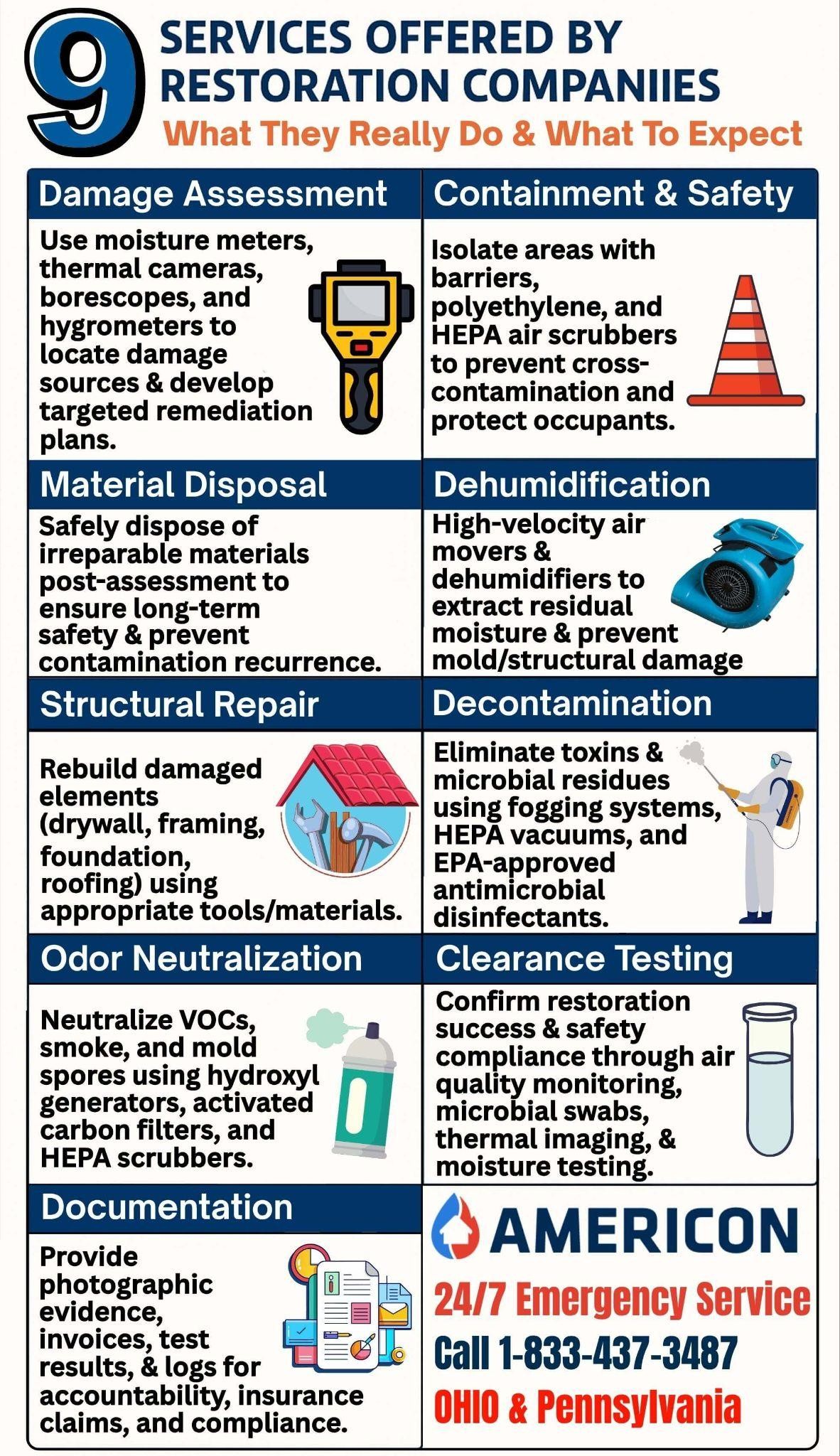
Restoration companies follow a multiphase approach involving various services, beginning with damage evaluation, followed by containment, and then safe disposal of damaged items.
Afterwards, they adopt various strategies for structural repairs, decontamination, and air filtration. The process ends with a clearance testing and documentation process to help you with your insurance claims.
Comprehensive Damage Assessment
Restoration teams comprehensively inspect the affected area to locate the source and extent of damage. They identify the structural damage and risk areas using moisture meters, thermal cameras, borescopes, and hygrometers. It is to curate a targeted restoration plan that guides the entire remediation process.
Containment & Safety Setup
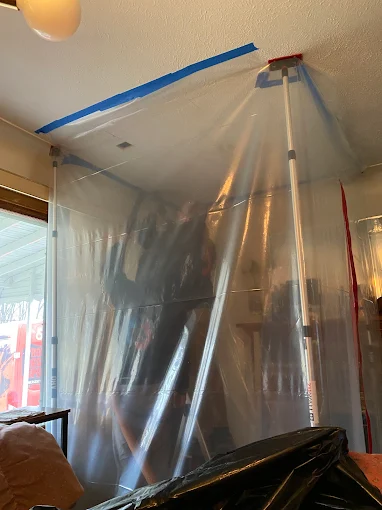
Containment and establishment of a safety setup eliminate the risk of cross-contamination. The damaged zone is isolated from the unaffected area using specialized barriers, temporary walls, polyethylene sheets, and HEPA filtered air scrubbers. It protects the occupants and remediation workers and curbs the spread of mold spores, moisture, etc.
Material Disposal
After analyzing the extent of damage, some materials are disposed of as they can’t be safely repaired. It guarantees long-term safety and prohibits recurring damage. Biohazards are also safely discarded as per safety laws governed by EPA and OSHA.
Dehumidification & Drying
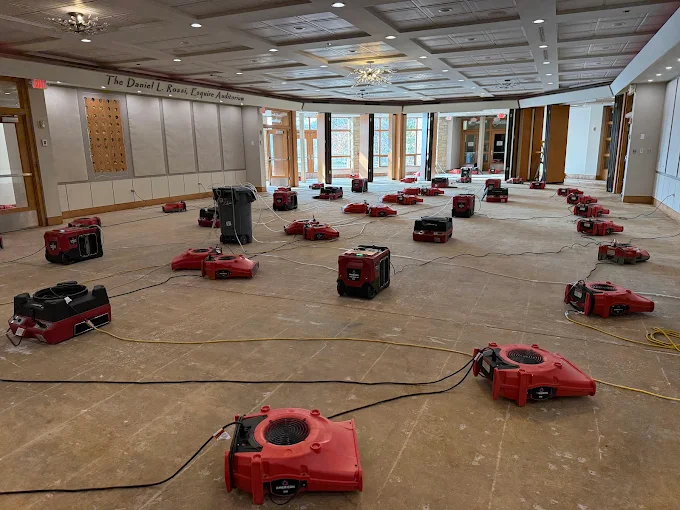
Restoration professionals extract residual moisture from indoor air and impacted areas employing high-velocity air movers and commercial-grade dehumidifiers. It eradicates secondary problems, for instance, mold growth, material degradation, and lingering dampness, inviting microbial infestations.
Structural Repair
Restoration companies carry out the structural repair process, for example, restoring damaged structural entities like flooring, walls, supporting beams, roofs, etc. It involves approaches such as drywall replacement, framing, foundation patching, and roofing by utilizing equipment like concrete mixers, stud finders, and nail guns.
Decontamination
A meticulous decontamination process is performed to eradicate hazardous toxins and microbial residues. Fogging systems, HEPA vacuums, and EPA-approved antimicrobial disinfectants are utilized to ensure a hygienic and safe environment.
Odor Neutralization & Air Filtration
Advanced methodologies, for instance, hydroxyl generators, activated carbon filters and HEPA air scrubbers are deployed to purify indoor air and to eliminate the lingering odors after the damage. They remove mold spores, volatile organic compounds (VOCs) and smoke particles, restoring a fresh and breathable air.
Clearance Testing
Clearance testing/post-remediation verification is carried out to ensure the restoration process is successful and meets hygiene and safety standards. The efficacy of the restoration process is gauged by a detailed visual inspection and by tools such as air quality monitors, microbial swabs, thermal imaging cameras, and moisture meters.
Documentation
Thorough documentation comprising photographic evidence of before and after, invoices, test results, material used, and restoration logs is compiled to ensure accountability and transparency. Moreover, documentation is critical for insurance claims approval.
Types of Restoration Work
The role of a restoration company in restoring damage is praiseworthy. They cater to diverse types of restoration work listed below.
| Types of Restoration Work | Common Causes | Processes Involved | Equipment Used |
| Water Damage Restoration | Floods, roof leaks, burst pipes, sprinkler systems, appliance leaks | Water removal, drying, dehumidification & damage repair | Moisture meters, dehumidifiers, water extractors, air movers |
| Fire & Smoke Damage Restoration | Wildfires, kitchen fires, and electrical fires | Smoke & soot removal, odor control, debris removal, structural repair | Chemical sponges, HEPA vacuums, and air scrubbers |
| Mold Remediation | Water damage, floods, leaks, high humidity, and poor ventilation | Evaluation, containment, removal, disinfection | HEPA filters, biocides, negative air machines, and moisture meters |
| Storm Damage Restoration | Hurricanes, heavy rain, hail, and windstorms | Emergency tarping, structure stabilization, debris removal, and interior repairs | Tarps, Portable generators, chainsaws, scaffolding |
| Decontamination | Disease outbreaks, chemical spills, sewage backups | Disinfection, deep cleaning | Disinfectants, ULV foggers, containment barriers |
| Roofing Repair | Aging, storms, falling tree limbs | Re-roofing, patching, waterproofing, shingle replacement | Shingles, sealants, safety harnesses, roofing nailers |
| Structural Repairs | Structural collapse, floods, fire | Replacement or repair of damaged structures, for instance, floors, frames, drywall, beams, etc | Sealants, power tools, concrete, jack posts |
How do Restoration Companies Help with Insurance Claims?
Disaster restoration services help with insurance claims by providing proper documentation, including estimates, reports, and photos. They are often working in direct collaboration with insurance companies and are thus well aware of all the policies & pre-requisites. They help in speeding up the process by planning restoration in a way that aligns with insurance requirements.
Most of the restoration companies use Xactimate software, which offers a reliable medium to calculate detailed and standardized estimates of restoration and repair costs. It ensures accuracy and transparency and thus cuts down the time for verification and approval.
Why Should You Hire a Restoration Company?
You should hire a full-service restoration company for the following reasons.
Prompt Response
Restoration companies offer a prompt response to tackle your issue. They usually arrive within an hour, relieving your stress and decreasing the recovery cost.
Rapid Restoration Process
Restoration companies have the potential to streamline & accelerate the remediation process by employing certified teams, advanced equipment and proven methodologies.
Advanced Industrial Grade Technologies
They utilize specialized industrial-grade equipment, for instance, hydroxyl generators, thermal imaging, dehumidifiers, and HEPA air scrubbers. The efficiency achieved via these technologies is impossible with household tools or DIY methods.
Post-Restoration Monitoring & Preventive Maintenance
Restoration companies conduct post-restoration monitoring and inspections so that the area remains damage-free and safe. Moreover, they also provide guidelines and solutions to prevent damage in the future.
Compliance with Safety & Health Protocols
Professional restoration companies comply with the EPA, IICRC, and OSHA standards to make sure that all the restoration activities meet the legal, safety, and health regulations. It eliminates risks of future liability and health issues, making the space completely safe for future occupants
Eco-Friendly Waste Handling & Sustainable Disposal Practices
Restoration companies ensure that hazardous materials, debris, and damaged items are disposed of responsibly and safely in a way that minimizes the environmental impact. EPA-compliant methods are followed, and salvageable materials are recycled, aligning with the concept of sustainability.
Do You Need Help with Restoring Your Property?
Americon is a restoration company in Ohio and Eastern Pennsylvania having a proven track record of restoring properties for years. We offer a certified restoration team having proficiency in utilizing advanced tools and complying with health and safety standards.
We have a fast turnaround time, minimizing downtime and preventing further loss. Additionally, we provide a transparent estimated cost with no hidden charges. Moreover, our tons of verified reviews and testimonials offer many reasons why you should go with us.
Frequently Asked Questions
A general contractor typically handles remodeling or planned construction projects, whereas a restoration company specializes in repairing damage caused by fire, water, mold, or other disasters to return properties to their pre-loss condition.
Yes, restoration may involve drywall replacement if the existing drywall has suffered damage that cannot be effectively repaired, such as from water saturation or mold infestation.
The restoration company is typically paid by the property owner or through their insurance provider. If the incident is covered by insurance, the insurer often pays the company directly; otherwise, the owner pays out of pocket.



 Loading...