
If it happens that it freezes outside and the snow covers your road, then probably you would be thinking of warming up with fires and blankets and having holiday parties. Nevertheless, for the restoration experts at Americon Restoration, winter is the time when home safety and awareness have to be most emphasized. December is the month of National “Winter Home Safety and Storm Damage Preparedness.” It is always a good idea to be proactive and still take the steps of getting your home and family ready for cold-weather storms, ice, and freezing temperatures.
The cold season brings different types of risks to the safety of a workplace in the case of commercial property owners and facility managers. The Occupational Safety and Health Administration (OSHA) provides the following recommendations to businesses: to establish certain cold-weather measures for the protection of employees and the prevention of slips, falls, and other accidents caused by snow and ice accumulation. Being aware of the situation, getting the necessary training, and carrying out regular inspections are the factors that can substantially increase the safety of workers and customers during bad weather conditions.
It includes tips from Federal Emergency Management Agency (FEMA) – for storm preparedness and response guidelines, that prepare and reduce to prevent damage from winter storms (the most common winter weather hazard) and seven steps that ready one for winter.
The Most Common Winter Hazards for Homes and Businesses
In order to prepare your home or business against the seasonal damage that heavy snow, ice, wind, freezing rain, and other hazardous weather may cause to your property, you need to figure out the time and the manner when these things will happen. Winter storms, as per the National Weather Service (NWS), are the major root of the most expensive natural hazards in the USA yearly, and they are the reasons for the most cases of roof failures, frozen pipes, and power outages. Thus, keeping up with the weather alerts and warnings from the NWS is a very good idea for the owners of the houses and shops as it enables them to make the necessary arrangements and secure their properties before the arrival of the storm.
Three Primary Winter Weather Risks for Homes
Frozen pipes: Ice inside of the pipes can expand. This expansion causes the pipes to burst. Burst pipes result in flooding. Uninsulated pipes and areas in the house without enough heat have risk.
Ice dams: Heat escapes from your attic so snow melts above your roof. Melted water refreezing at roof eaves may force water from under shingles because of ice dams. This results in leaks in places, mold in places, and structural damage in places.
Heating system malfunctions: Faulty furnaces, space heaters, and chimneys represent major causes during winter of fires and carbon monoxide poisoning.
Leading Causes of Winter Storm Damage for Businesses
Commercial buildings face similar hazards. The larger scale and occupancy strengthen these hazards. Common hazards are:
Snow accumulations can stress flat or aging roofs enough for them to partially or totally collapse.
Power outages: Electrical lines may freeze in winter. During high winds, these may fall to cause extended power outages, damage equipment, and halt operations.
Water intrusion happens when seals fail. Water intrusion happens when windows break. Water intrusion happens when gutters freeze making water leak into the unit. This intrusion damages the interiors.
Slip and Falls: Snow and ice left on sidewalks and entrances can cause personal injuries and liability exposure.
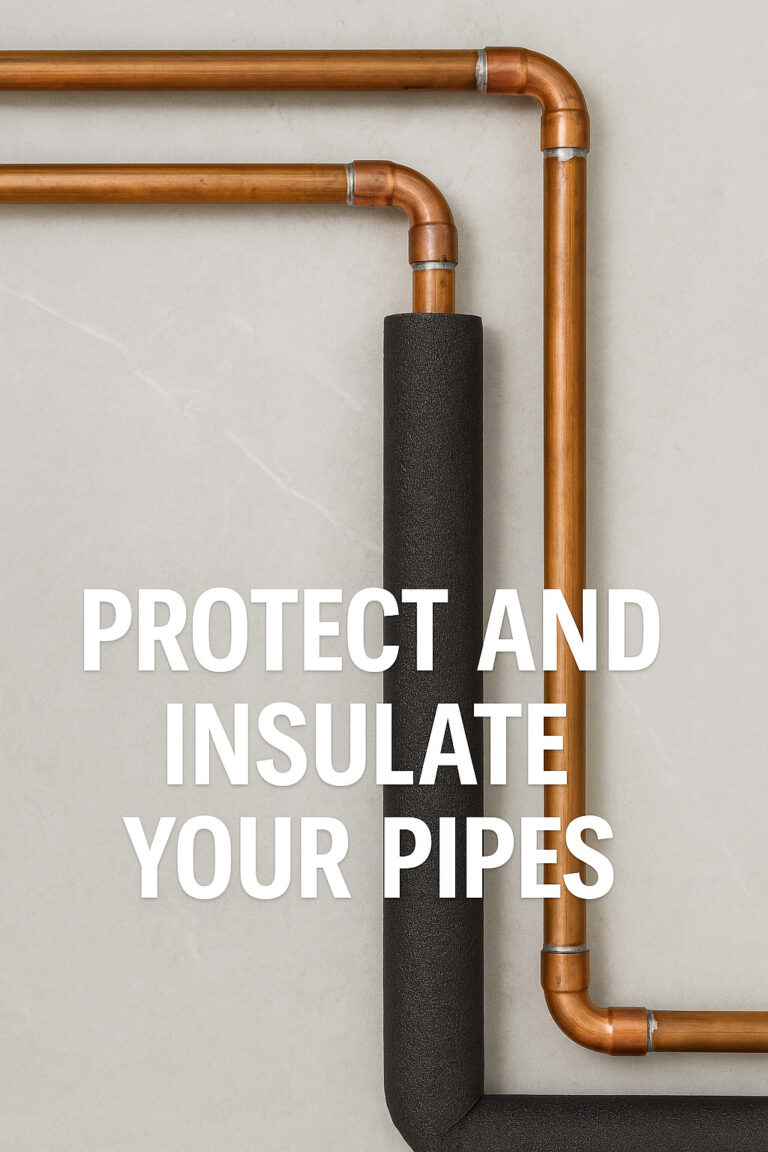
Step 1: Protect and Insulate Your Pipes
Frozen pipes or burst pipes are a common source of expensive winter storm damage to buildings during winter. Insulation with monitoring can help prevent this type of damage.
Pipe Protection Checklist
Insulate vulnerable areas: Insulation belongs on basements, crawl spaces, attics and outside walls and pipe sleeves or heat tape (heat wire) should be used in extreme cold.
Seal gaps and cracks: Cold air sneaks into ducts, vents, or around wiring then freezes plumbing by way of sealing gaps and cracks along surfaces. Caulking resists weather it seals gaps and cracks.
Keep the heat on: For heat maintenance, keep the indoor temperature above 55 degrees Fahrenheit even when not inside the home.
Let faucets drip: Faucets should drip for relief of pressure on pipes and for possible keeping of water moving if freezing begins.
Know your main shut-off valve: Most importantly, find the main shut-off valve for turning it off. Water flow stoppage will reduce the rupture’s flooding and damage.
Step 2: Inspect and Maintain Heating Systems
If the heating system is running too often during the winter months, there are a number of comfort and safety issues.
Check furnaces and boilers: have a technician inspect heating equipment before the heating season starts, clean filters. Clear exhaust vents.
Space heaters: Items need a minimum of three feet of space from space heaters. These items include bedding, drapes, furniture, and other electronics too. For power out from the wall, plug space heaters into an electrical outlet directly, and do not use an extension cord.
Fireplaces and chimneys: For fireplaces and chimneys, a professional should clean and inspect all chimney stacks each year for soot and for creosote since soot and creosote cause chimney fires.
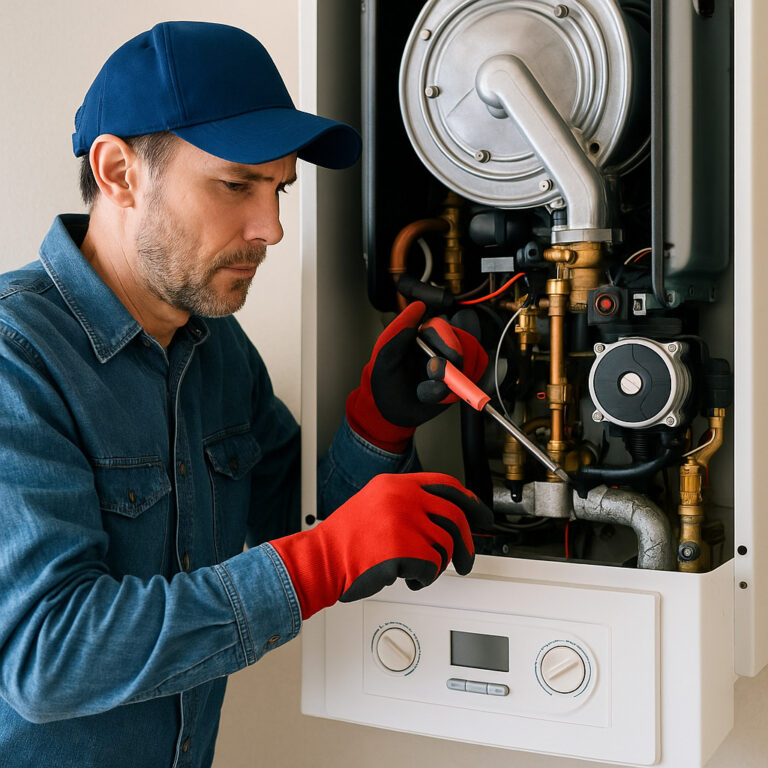
Carbon monoxide safety: Lower the risk of carbon monoxide poisoning. Put carbon monoxide detectors outside of every bedroom. Test every month. Change them every ten years.
Step 3: Clear Gutters and Prevent Ice Dams
Your gutters are the first line of defense against water damage to your home. They are also the one home component that is least likely to be cared for in winter.
Ice Dam Prevention Steps
Prior to the first snowfall, gutters and downspouts must be clean.
Check your attic regarding proper insulation and ventilation, a well-insulated house can prevent heat loss and melting the surrounding snow.
Put heat cables on: In heavy snow areas, heating cables can be installed on the edge of a roof to prevent snow from refreezing on a roof.
Remove snow: It can be useful to remove snow from the roof with a roof rake or hire a service to do so after heavy snow storms to relieve pressure and prevent leaking.
Step 4: Prepare for Power Outages
Power outages are among the most common consequences of winter storms which bring ice, heavy winds and sometimes cause outages that can be of short or long duration. The preparation of the storm in advance for the safety of the family and the property is a way of guaranteeing it. According to the American Red Cross, each family should prepare a kit with essential things such as flashlights, batteries, blankets, bottled water, and first-aid supplies to be ready before the arrival of the storm.
Create an emergency kit: Emergency supplies to use include flashlights, batteries, blankets, a first-aid kit, bottled water, and non-perishable food.
Backup power: A portable generator offers backup power it can power critical devices in an emergency. Generators should be outside a home. Generators should be away from windows or doors. This avoids carbon monoxide poisoning.
Surge protection: Install surge protectors for protection against voltage surges that power restoration causes following an outage.
Plan for communication: Keep cell phones charged and have a battery powered radio to make an emergency communication plan.
Prevent frozen pipes: To avoid frozen pipes, keep cabinet doors open in order that warm air can reach the plumbing.
The U.S. Department of Energy (DOE) is supporting that home owners should perform some simple weatherization steps in order to help maintain the heat during outages and also to make the house more energy efficient throughout the year. By adding more insulation, sealing the air leaks, and installing energy-efficient windows your home will be able to keep the heat for a longer period of time when you do not have access to electricity. Besides that, the DOE is suggesting that people should have some additional blankets, thermal clothing, and some heating devices that can be powered by batteries to keep safe and comfortable until the electricity comes back.
Step 5: Reinforce Windows, Doors, and Roofing
Weatherproofing Checklist
Windows and doors: Replace worn weathers tripping and use caulk for sealing gaps; use storm windows upon availability.
Roof: Replace missing shingles, repair damaged flashing, and repair of sagging areas on top. The snow must wait.
Garage doors: Seals go along the bottom edge, and insulation minimizes energy loss.
Exterior walls: Insulate in unheated places. See if the siding has cracks water could pass.
Gutters and drainage: Downspouts must extend six feet away from the foundation so they prevent the action of flooding.
Step 6: Keep outdoor areas accessible and safe for people
Winter storms cause similar outdoor problems during winter. Snow and ice collect on sidewalks, driveways, and stairs near your home or business.
Driveways and walkways: Before snow or ice arrives, spray pet-safe ice melt or sand upon driveways and walkways to reduce slippage by people.
Roof edges and eaves: Take Be careful when icicles are near a roof’s edge and eaves.
Trees and branches: Limbs that touch your roof or are near power lines may break and fall. Branches covered in ice can break off.
Emergency exits: All evacuation paths must remain clear of snow or ice including doors.
Outdoor vents: Keep dryer, furnace and exhaust fan vents clear of snow for reduction of the chance of carbon monoxide building up inside your home.
Step 7: Get Your Family and Property Ready against Emergencies
Family Preparedness Plan
Know your exits: For fire or structural damage, find two or more routes out of your home.
Designate a meeting point: Choose a meeting area. It is a safe spot that is near the house. Family members can meet there if they get separated.
Stay informed: Sign up now for local weather alerts and emergency alerts.
Have professional contacts ready: Have professional contacts ready by saving Americon Restoration’s 24-hour emergency number to your phone. Call sooner to reduce damage and cost.
Review insurance coverage: Review your insurance for ensuring it covers common winter-related damage such as pipes that burst, water that leaks, or water that ices and damages property.
When Prevention Meets Restoration
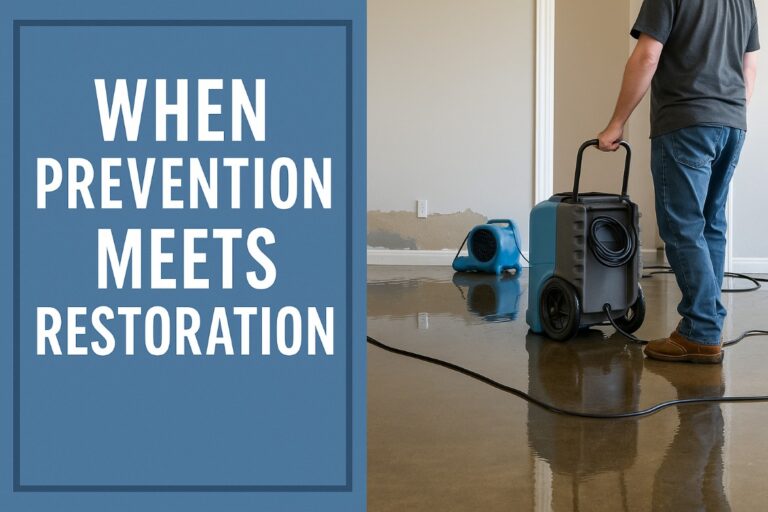
Even the most prepared homeowners can find themselves reeling in the aftermath of a winter disaster such as a burst pipe, a leaky roof or a large storm with devastating structural repercussions. Americon Restoration is here to help.
For more than 100 years Americon has been restoring homes and businesses across Ohio. Our crews have experience extracting emergency water and drying items to reconstructing everything totally. We know winter storm damage can affect your body and your feelings.
Flooding and water damage often occur without expectation. Because of the natural destructive nature of water, it is imperative that the drying process begins as soon as possible. Drying can begin immediately by using drying equipment, moisture detection equipment, and commercial dehumidifiers.
This type of service can be provided by Americon Water Removal and Reconstruction if flooding has occurred, a pipe has burst due to freezing temperatures, the roof has caved in or mold has infested the property due to a leak not being properly dried. Americon Water Removal and Reconstruction can also help you with any insurance claims and paperwork needed.
Our mission is to restore your home or business to its condition before the loss as quickly, efficiently, and to the highest quality standards as possible.
Winter Home Safety and Storm Preparedness FAQ
Why do pipes freeze and burst during winter?
Water inside the pipe freezes and expands because the temperature drops. Pressure builds until the pipe cracks at or the pipe bursts at. Uninsulated pipes can experience pipe splits and ruptures near outdoor spigots in areas without heat.
How can a person know of an ice dam?
If you see icicles forming on the edge of your roof, stains on the ceiling or walls, or ice forming at the roof/sky interface, there may be an ice dam above there somewhere. Confirm water is not pooling directly below your shingles.
Is it safe to use a portable heater overnight?
Never leave a space heater unattended near to you and never sleep when you have a space heater on. Auto-shutoff must be fitted to space heaters. The items must have at least 3 feet (0.91 m) distance from combustibles.
How often should I inspect my roof in winter?
Most roofs during the winter should be inspected monthly.
Inspect flat or low slope roofs after snow storms or freezing rain storms for overloading, and hire professionals for removing excessive build-up.
What’s the best way to prevent power outage damage?
Surge protectors offer help. Unplugging devices not in use also offers help. A backup generator can also help prevent surges if your power goes out often.
Can I clean up storm water or mold damage myself?
Storm water carries contaminants plus it can mold if someone does not dry it properly so professional restoration disinfects thoroughly to control moisture.
Your Partner in Winter Damage Recovery
However, when the weather turns snowy and icy and a major disaster occurs, Americon Restoration has staff trained to serve during emergencies such as for water damage, drying, removing debris and reconstructing available around the clock.
We use over a century of experience with time-honored values and the latest technology to provide lasting results. We don’t just repair the damage, we bring your home or business back to better than even before now.
For more information or to obtain emergency service or a winter home safety inspection, call Americon Restoration at 1-833-437-3487.
Click HereBecause when it comes to winter damage, preparedness and partnership make all the difference.
 Loading...