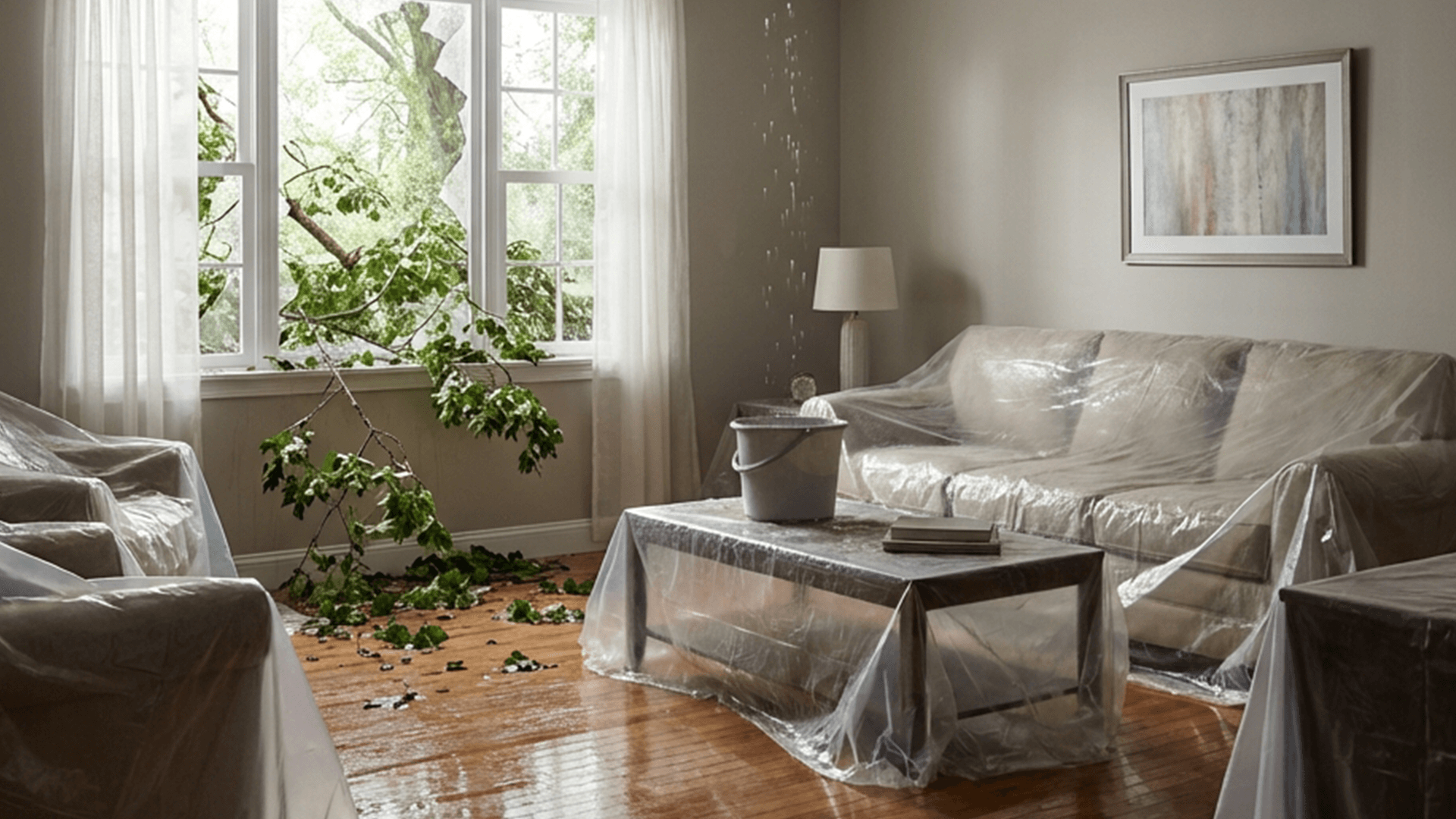
Emergency Restoration Services in Cleveland, OH
Americon Restoration is based right here in Lakewood, on Detroit Ave, and our Cleveland crews answer emergency calls around the clock. One call brings a local team to stop the damage, secure the property and start the recovery, whether it is a flooded basement in Parma, a burst pipe in a Lakewood double, or storm damage in Strongsville.
Call (216) 221-5200 now for emergency help in Cleveland, or call our 24/7 corporate line at 1-833-HERE4US.



What happens between the emergency call and getting your home back runs in three stages, and the same local crew handles all three. Stabilization comes first: extracting water, drying the structure, boarding up openings and tarping a damaged roof. Then cleanup: removing debris, cleaning soot and smoke residue, sanitizing contaminated areas, and handling the contents that can be saved. Then repair and reconstruction: putting back what had to come out, so the property is whole again. In Cleveland that often means working in a double or a century colonial, where water and smoke travel between floors and units.
Cleveland's housing stock asks a lot of an emergency crew: century colonials and doubles in Lakewood and Birdtown, stone and block foundations, and streets where older combined sewers surcharge in heavy rain. Local crews know which basements flood first and why.

Stabilization and emergency property protection
Cleanup, drying, sanitization and contents care
Repair and reconstruction through completion
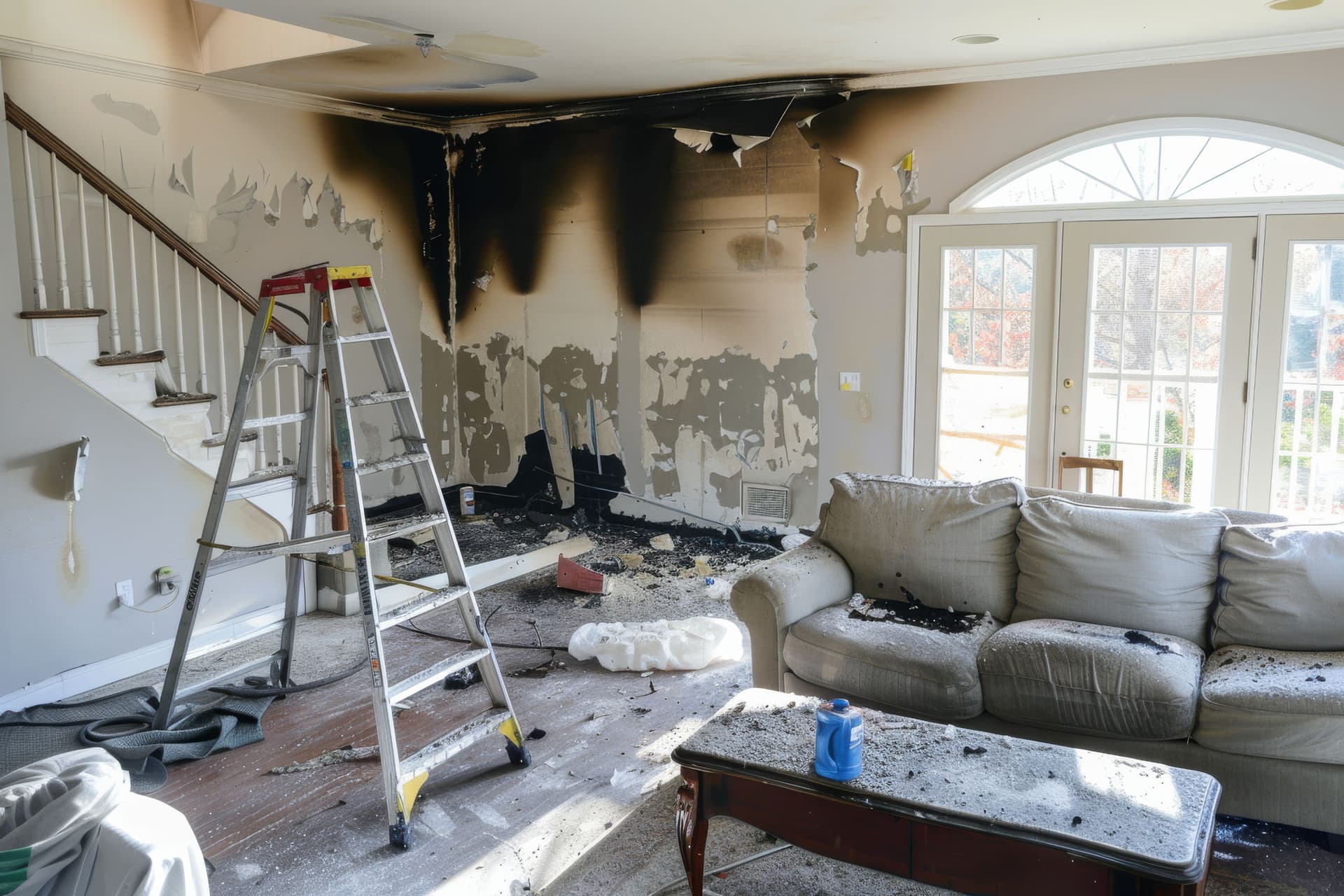
Cleveland emergencies follow a handful of local patterns, and knowing them is part of responding well:
Frozen pipes and ice dams: Lake-effect winters freeze pipes in older Cleveland homes, and ice dams at the eaves push meltwater into ceilings and walls, often first showing as a stain near the roofline.
Sewer backups and surcharges: Parts of Cleveland drain through older combined sewers that surcharge in heavy rain, sending water, and worse, back up through basement drains.
Heating fires: Winter heating is a leading fire pattern here: furnaces, space heaters and aging wiring in century homes, with smoke travelling through ductwork into every room.
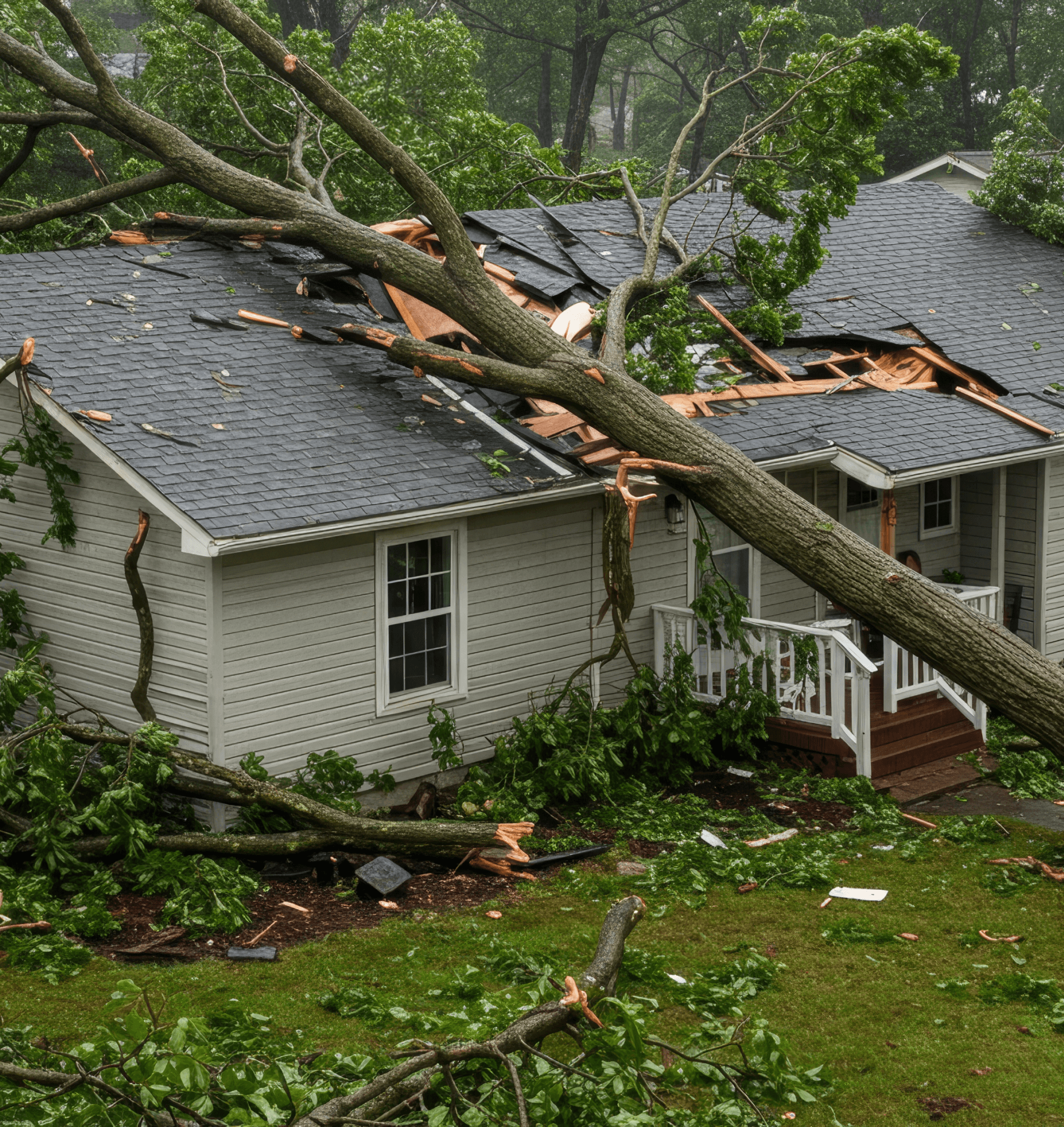
Lake-effect storms and wind: Wind off the lake brings trees down on roofs and power lines, and heavy snow loads strain older roofs all winter.
An aging housing stock: Century colonials, doubles and bungalows across Lakewood and the older suburbs hold water in plaster, hardwood and block foundations in ways newer construction does not.
Burst pipes, frozen lines in winter, sump failures and sewer surcharges put water into Cleveland basements fast. We extract standing water, dry the structure with monitored drying, and check behind baseboards and under floors, where mold starts if moisture is left.
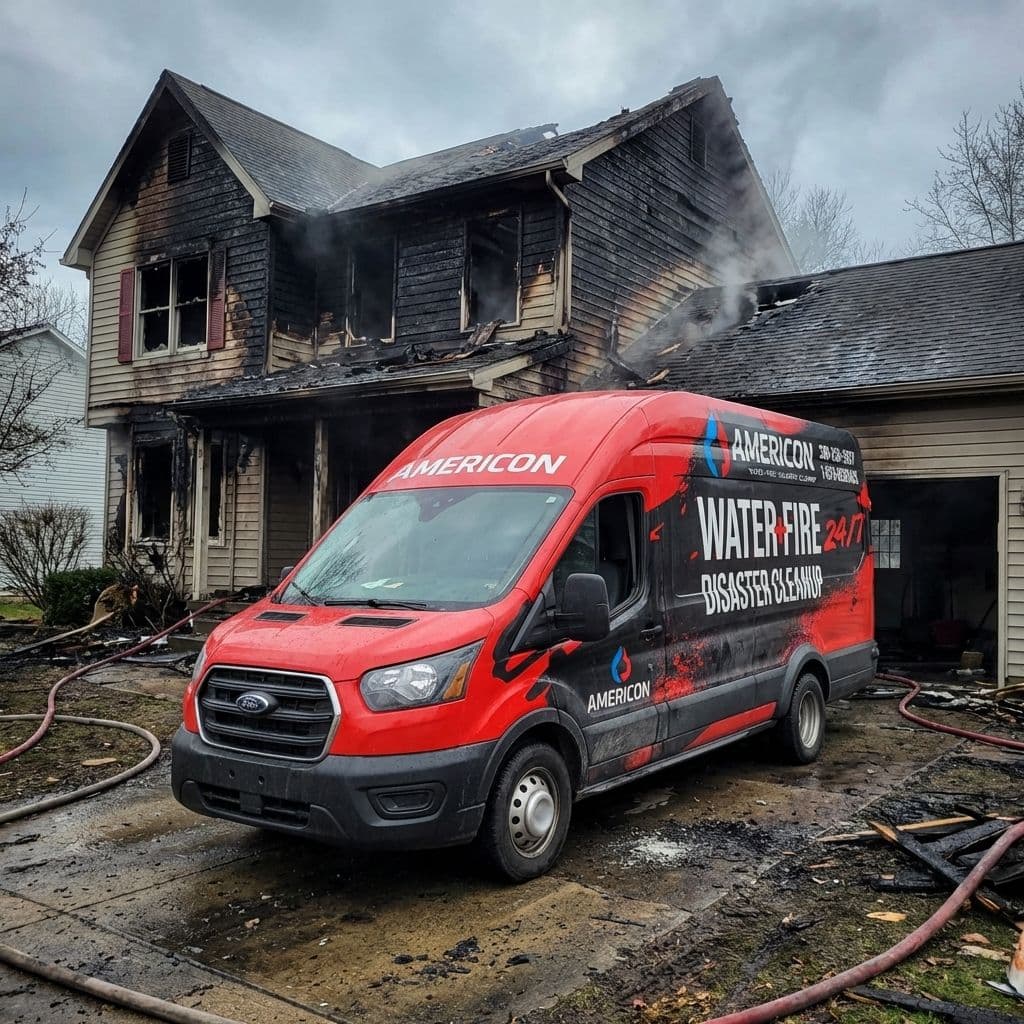
After a fire, soot settles into surfaces and smoke odor works into everything, and in a double or a colonial it travels between units and floors. We secure the property, remove soot and residue, control odor, and separate what can be restored from what cannot.
Lake-effect weather and summer storms bring wind, heavy rain and fallen trees. We tarp roofs, board openings, remove debris and stabilize the structure so the next band of weather does not make it worse.
Mold can begin growing within 24 to 48 hours of a water event, and damp Cleveland basements are prime ground for it. When water damage has been sitting, remediation joins the response: containment, safe removal, and fixing the moisture source.
A sewage backup is a health hazard, not a cleanup you do yourself. Our crews remove the sewage, sanitize the area, and dispose of contaminated material safely and in line with regulation.
Structural damage and stabilization
When a tree, a vehicle or a collapse damages the structure, making the building safe comes first. We stabilize, shore up and secure the property, then plan the repair with you.
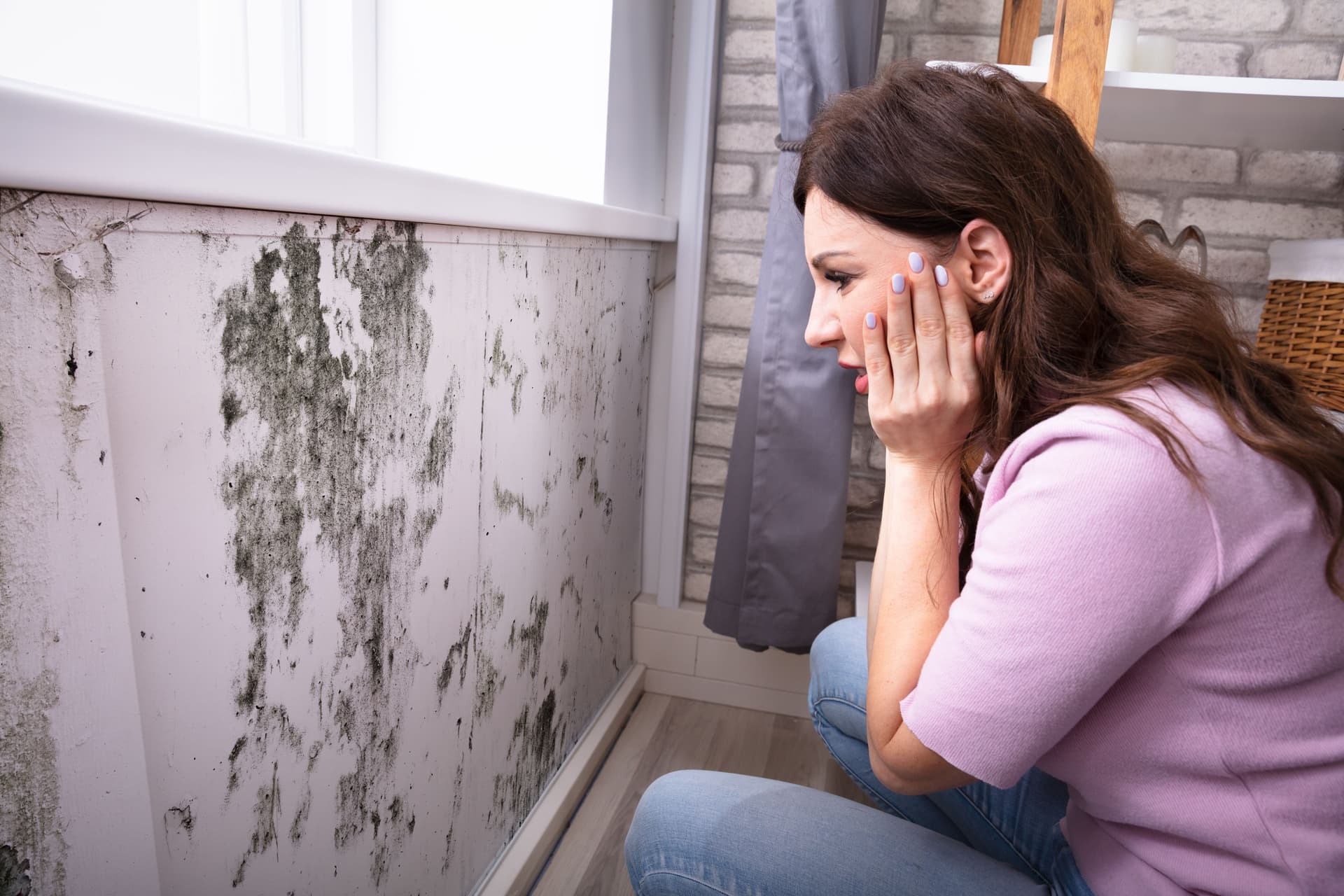
Cleveland damage moves fast in both seasons: a frozen pipe in January, an ice-dam leak in March. This is the usual pattern when an emergency is left to sit:
Speed is not about comfort. It is what decides whether a floor dries or is replaced, and whether a room is cleaned or rebuilt.
Within minutes: meltwater or burst-pipe water spreads through flooring and insulation, and soot settles on every surface in the affected rooms.
Within the first hours: water reaches the rooms and wiring below, and soot starts bonding to surfaces, which makes it harder and more expensive to remove cleanly.
Within 24 hours: finishes in standing water begin to swell and break down, and mold growth can start on damp materials in a Cleveland basement.
After 24 hours: smells settle in, soaked materials that might have dried are written off, and a small repair turns into a rebuild.
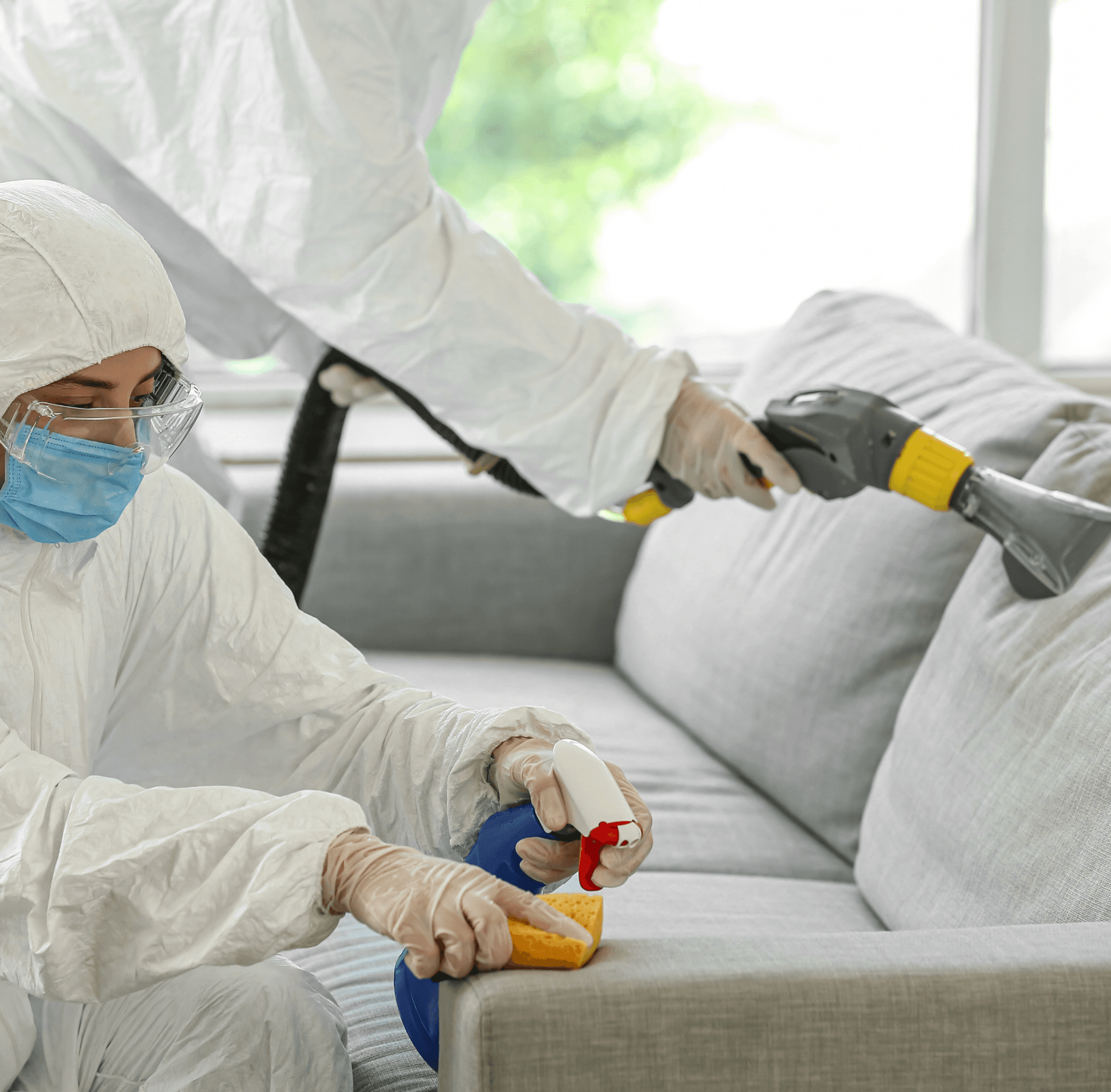
If it is safe to do so, these steps protect your property and the people in it while the crew is on the way:
Put safety first. Keep people and pets away from standing water near electrical outlets, sagging ceilings, and damaged structures.
Stop the water at the source if you can do it safely, for example at the main shutoff valve.
Turn off electricity to affected areas if water is near outlets or the panel, and only if you can reach it without standing in water.
If an ice dam is leaking into a ceiling, place buckets to catch the drips and move furniture clear. Do not climb onto the roof.
Move valuables, documents and electronics to a dry, safe place if they are easy to reach.
Take photos and short videos of the damage for your claim before anything is moved or cleaned. Do not enter a home with structural damage, and never touch sewage or contaminated water.
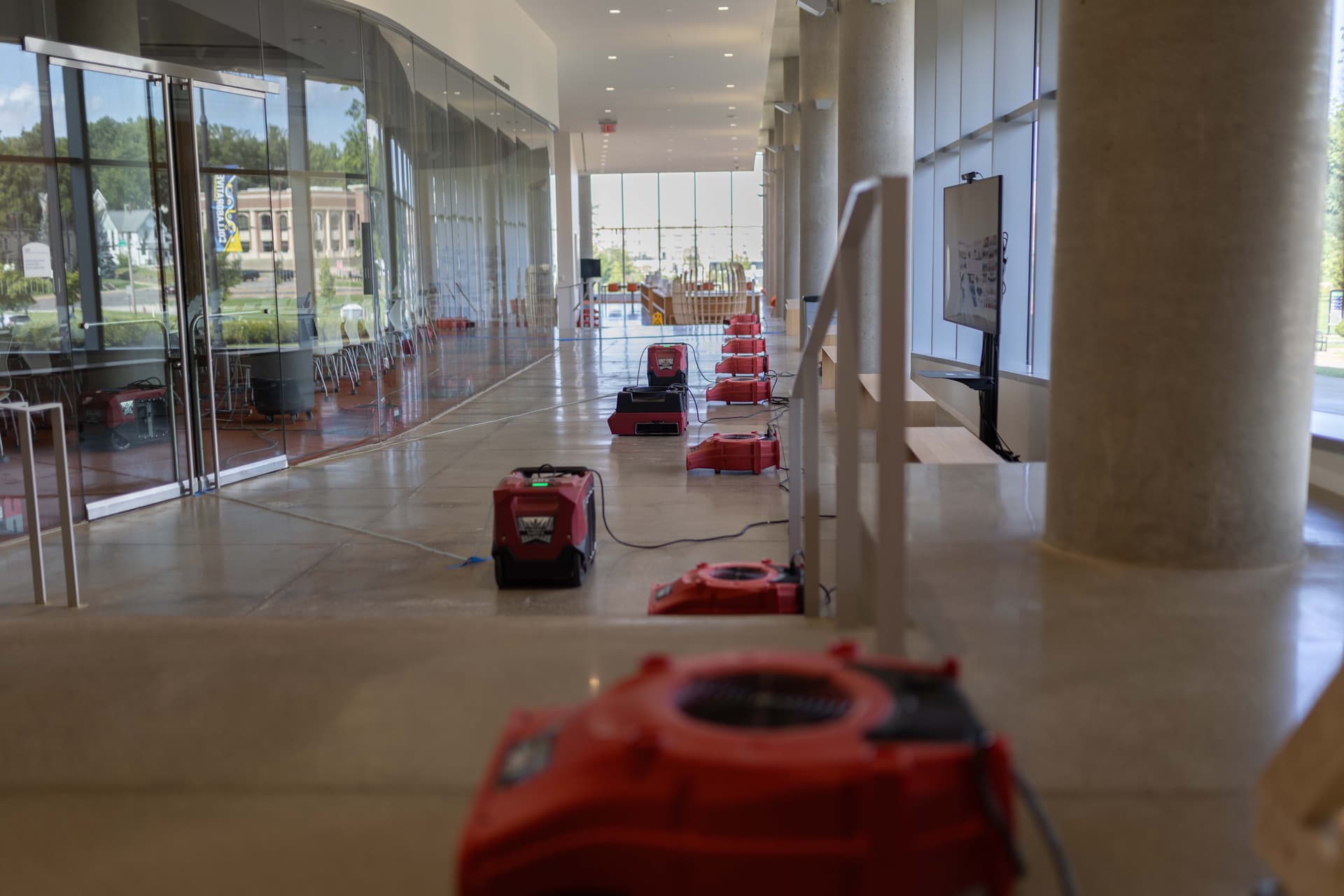
The property address, including which Cleveland neighborhood or suburb the crew is coming to.
What happened, and when you first saw it.
Whether the source is controlled, for example whether the water is still flowing or the ice dam is still leaking.
Any safety concerns: power, gas smells, structural damage, anyone injured.
Your insurer and claim number, if you have them yet. If not, we can help you document the loss from the start.
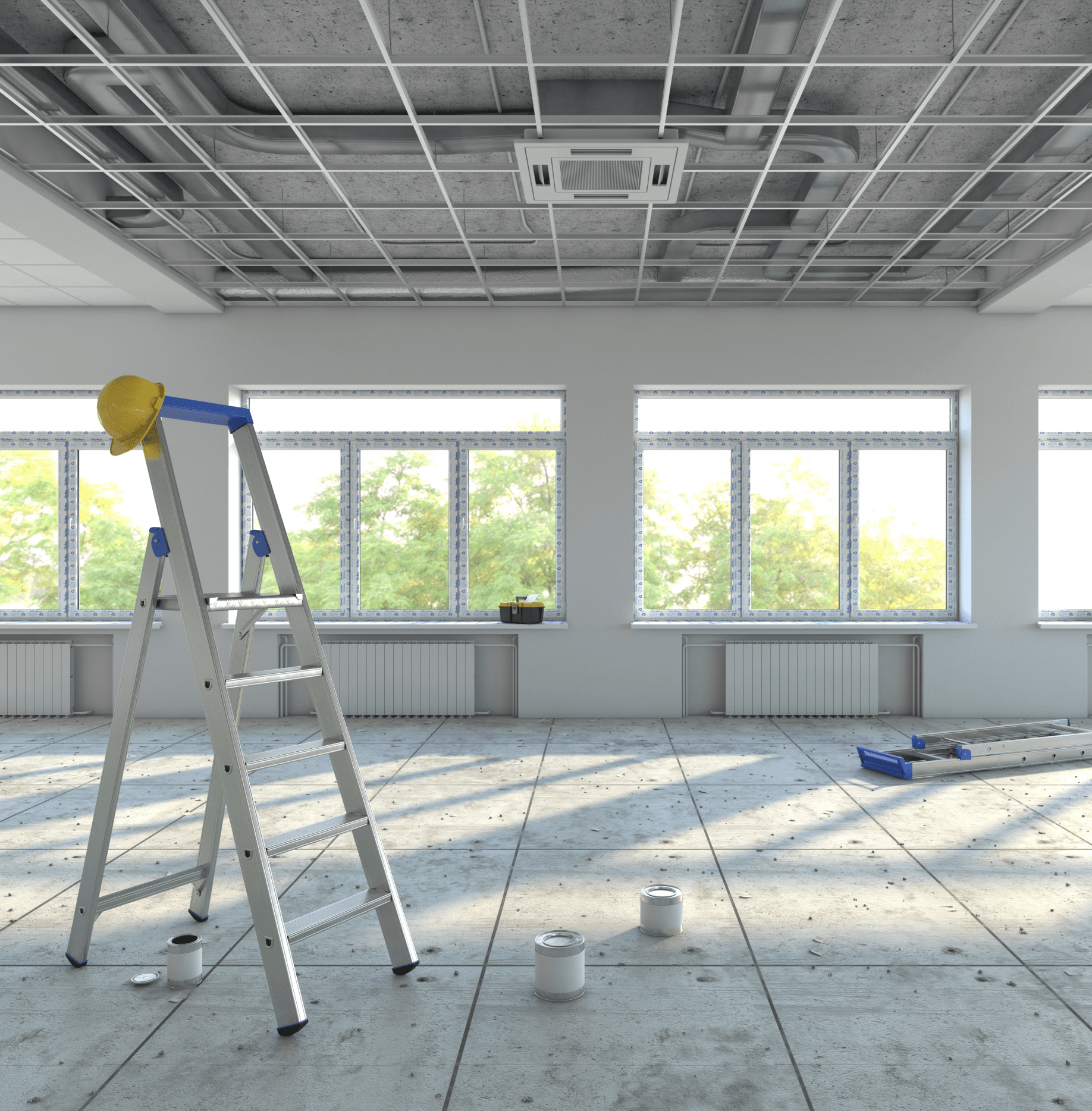
For homeowners in Cleveland, an emergency is personal: it is your kitchen, your basement, your family's routine. We explain each step as we go, protect the belongings that can be protected, and keep you in the loop until the work is done.
For businesses and property managers across Greater Cleveland, an emergency is also financial: every day closed is revenue lost and tenants displaced. We stabilize commercial properties quickly, document everything your insurer requires, and coordinate the restoration around getting you operating again.
Emergency restoration for Cleveland homeowners
Emergency restoration for Greater Cleveland businesses and property managers
The Cleveland emergency team serves Cleveland, Lakewood, Parma, Strongsville, Westlake, Euclid and Mentor, and the surrounding Cuyahoga and Lake County communities. Our Cleveland office works alongside Americon's Ohio Valley and Pittsburgh teams; if your property sits closer to those regions, their local pages below will route you to the right crew.
Cleveland and Lakewood
Parma and Strongsville
Westlake, Euclid and Mentor
Surrounding Cuyahoga and Lake County communities
live call answering and immediate dispatch
A real person answers around the clock from our Lakewood office, gathers the details of your emergency, and sends the local crew.
on-site emergency assessment
The crew inspects the property, identifies hazards, and sets the priorities for stabilization.
property protection and damage control
We stop the source of the loss where possible, secure openings, and put temporary protection in place to prevent further damage.
cleanup, extraction and environmental safety
Water removal, debris cleanup, air control and sanitation begin as needed.
transition to restoration and repairs
Once the property is stable, the same company carries the work through cleaning, repairs and reconstruction to completion.
Why Choose Americon Restoration in Cleveland
A note for anyone comparing companies in Cleveland tonight: ask whether the crew can come out tonight, whether the scope is put in writing before work starts, whether the same company handles the repairs after drying, and whether they document everything for your adjuster. Our answer is yes to each, and we are glad to be measured against them.

Insurance is part of almost every emergency job we do in Cleveland, so the documentation starts with the first visit. The crew photographs each damaged area, takes moisture readings, records the stabilization work, and keeps your adjuster in the loop as the job proceeds. The aim is simple: a claim file that shows what happened, what we did, and why. Your policy decides what is covered; our job is to make the evidence complete. Our guide to understanding the insurance process explains the claim in more detail.


Answers to Common Emergency Response Questions in Cleveland
What do restoration services include?
Emergency restoration services include everything between the first call and the finished repair: mitigation to stop further damage, cleanup and sanitization, drying and dehumidification, contents cleaning, and the repairs and reconstruction that return the property to its pre-loss condition. The emergency part is that it starts immediately, at any hour.
How fast can you respond to emergencies in Cleveland?
Our line is answered live 24 hours a day, and the Cleveland crew is sent as soon as your call is assessed. Response times vary with your location, the severity of the damage, weather and demand; when you call (216) 221-5200, the team will tell you honestly what to expect for your address.
Sewage backed up into my basement. What should I do?
Stop using water in the house, and keep people and pets out of the basement. Do not try to clean it up yourself: sewage carries bacteria that call for proper protective equipment and sanitation. Call us and the crew will remove the sewage, sanitize the area and dry the space. Parts of Cleveland drain through older combined sewers, so backups after heavy rain are a call we know well.
Can ice dams cause water damage in a Cleveland home?
Yes. Lake-effect snow followed by freeze and thaw cycles builds ice at the eaves, and meltwater backs up under the shingles and into ceilings and walls. Stains near the roofline after a thaw are a common first sign. The damage is handled like any other water loss: extraction, monitored drying, and repair of what the water reached.
Can you help with insurance claims?
Yes. We document the damage with photos and moisture readings, record the work as it goes, prepare estimates, and communicate with your adjuster. What your policy covers is for your insurer to decide.
How much do emergency restoration services cost?
There is no fixed price anyone can honestly quote: cost depends on the type and extent of the damage, the materials affected, and how much reconstruction is needed. After the assessment, you get a written scope and estimate before any restoration work starts, and our documentation backs up your claim.

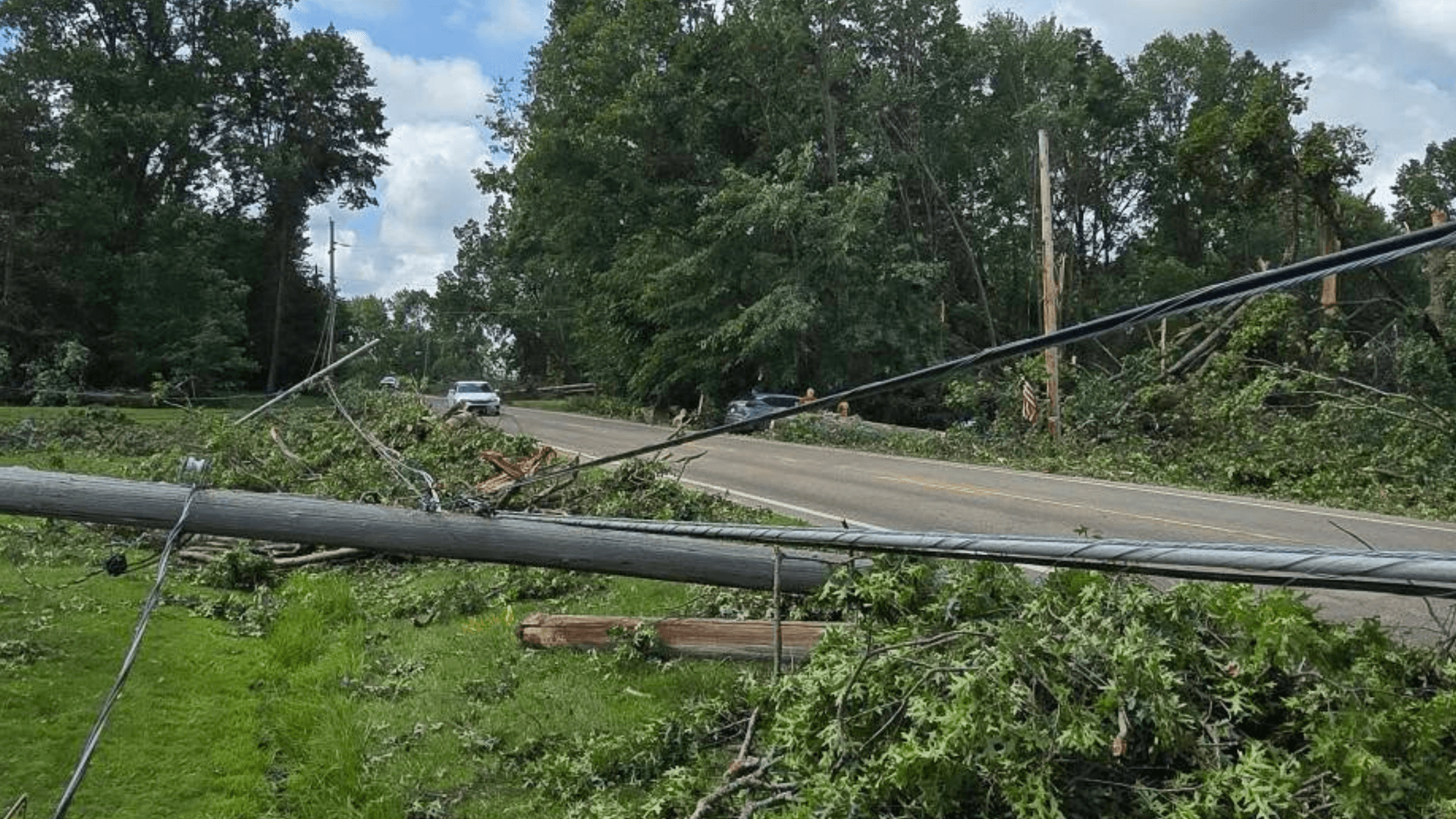
After a Tornado or Flash Flood: Stabilization First
When a tornado or flash flood tears through your area, the first hours are about survival, safety, and stabilization — not rebuilding. Here's what that means, why downed power lines and floodwater are so dangerous, and what to expect when Americon Restoration is on the way.
Read more
5 Things to Do After Calling a Disaster Recovery Company in Ohio Valley
Calling for help is just step one. Here's what to do while you wait for your disaster recovery team to arrive in the Ohio Valley.
Read more
Disaster Recovery Done Right; Water, Fire, Mold Restoration Services for Every Property in Tallmadge
Tallmadge homes and businesses face real flood, fire, and mold risk every year. Here's what a full-service disaster recovery response looks like locally.
Read moreAfter a Tornado or Flash Flood: Stabilization First
When a tornado or flash flood tears through your area, the first hours are about survival, safety, and stabilization — not rebuilding. Here's what that means, why downed power lines and floodwater are so dangerous, and what to expect when Americon Restoration is on the way.
Read more5 Things to Do After Calling a Disaster Recovery Company in Ohio Valley
Calling for help is just step one. Here's what to do while you wait for your disaster recovery team to arrive in the Ohio Valley.
Read moreDisaster Recovery Done Right; Water, Fire, Mold Restoration Services for Every Property in Tallmadge
Tallmadge homes and businesses face real flood, fire, and mold risk every year. Here's what a full-service disaster recovery response looks like locally.
Read moreNeed Emergency Help Right Now?
If active damage is happening in Cleveland right now, do not wait for business hours. Call our Lakewood team at (216) 221-5200 or the 24/7 corporate line at 1-833-HERE4US, or use the emergency form on this page and the team will contact you right away.