
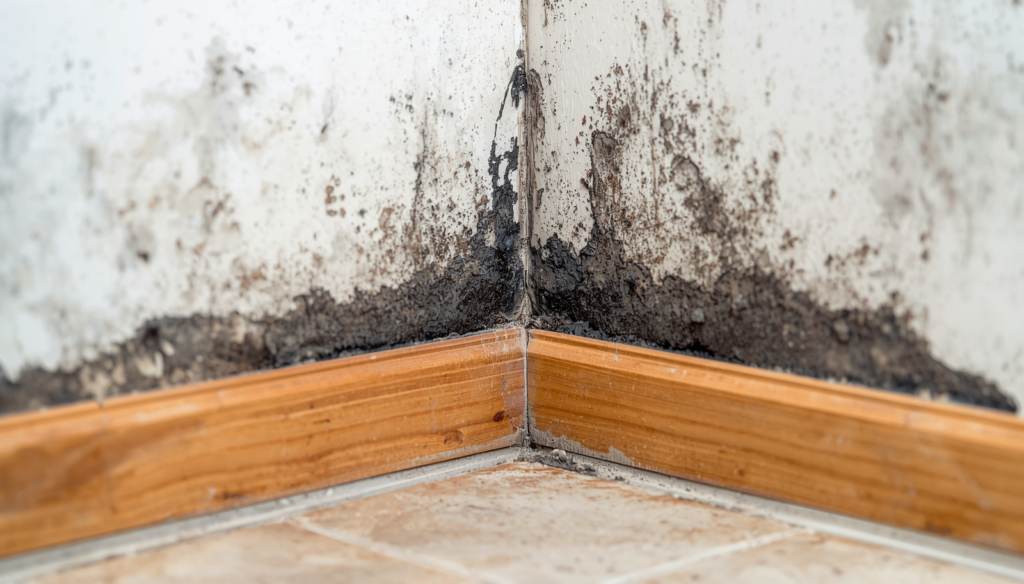
Discovering water damage in your home is always a concern. When it affects your baseboards, the issue carries added weight. Baseboards play an important role in your home’s structural integrity and overall appearance. Damage to them often signals a larger moisture problem happening inside your walls or beneath your floors.
Identifying and addressing baseboard water damage early prevents extensive repairs and keeps your Ohio Valley home safe and visually sound. This guide covers the most common causes of baseboard water damage and the clear warning signs that tell you it is already present in your home.
What Causes Water Damage on Baseboards?
Understanding the common causes of baseboard water damage is the first step toward protecting your home. Here are the three most frequent sources Ohio Valley homeowners encounter.
1. Plumbing Leaks
Plumbing leaks are one of the most frequent causes of baseboard water damage throughout homes in Warren, Niles, Youngstown, and surrounding communities. Leaky pipes, dripping faucets, and failing plumbing fixtures allow water to seep slowly into walls and down to the baseboards below.
Even small leaks cause significant damage over time. Continuous moisture exposure weakens baseboard material, leading to warping, staining, and mold growth that spreads the longer the leak goes undetected. Many of these leaks originate inside walls and remain completely invisible until the damage to the baseboard becomes visible from the outside.
2. Flooding and Water Intrusion
Heavy rainfall, storm flooding, and outdoor drainage problems can push water into your home quickly and spread it along walls and floors throughout the lower level. Ohio Valley homes face this risk regularly during spring snowmelt, severe summer storms, and periods of sustained heavy rainfall that overwhelm drainage systems throughout Mahoning and Trumbull County.
Water from flooding events reaches baseboards fast and soaks into the material deeply. The longer it sits without professional extraction and drying, the more it causes warping, swelling, and mold growth that requires increasingly complex restoration work to address.
3. Condensation and Humidity
When warm, moist air contacts cooler surfaces inside your home, condensation forms and creates persistent dampness along walls and at floor level. This moisture buildup is easy to overlook because it does not come from a visible leak or flooding event.
Over time, that recurring dampness penetrates baseboard material and causes discoloration, peeling paint, and mold growth. Bathrooms, kitchens, and basements are particularly vulnerable. Managing indoor humidity with dehumidifiers and proper ventilation reduces the risk significantly, especially during Ohio Valley summers when outdoor humidity is high and indoor moisture levels can climb quickly.
5 Signs of Water Damage on Baseboards
These are the five most telling signs that water has compromised your baseboards. Any one of these warrants a closer inspection and prompt professional assessment.
1. Peeling or Bubbling Paint
Paint peeling, bubbling, or cracking away from baseboard surfaces is often one of the first visible signs that moisture has penetrated the material beneath. Water seeping into the baseboard causes the paint to lose its adhesion from the inside out.
If you notice paint peeling from baseboards without any obvious external cause like direct impact or age, look more closely for additional signs of water damage. Peeling paint along the base of walls near plumbing fixtures, bathrooms, or exterior walls deserves immediate attention.
2. Stains and Dark Spots
Stains on baseboards are a reliable indicator that water has been present, even if the baseboard feels dry to the touch when you find them. These stains appear as dark spots, discolored patches, or tide lines left behind when water absorbed into the material and then dried.
Stains without an obvious cause like a known spill signal hidden water damage behind the baseboard or inside the wall above it. In Ohio Valley homes with older plumbing or known moisture issues in lower levels, unexplained baseboard staining should never be ignored.
3. Discoloration Along the Baseboard Surface
Beyond distinct stains, general discoloration across the baseboard surface indicates long-term moisture exposure. As water causes wood to deteriorate from within, the visible surface changes color noticeably. Discoloration can range from subtle darkening to pronounced yellow, brown, or grayish hues across the affected section.
This type of gradual discoloration often means moisture has been present for weeks or months. The underlying damage is typically more extensive than the surface appearance suggests, and professional moisture detection is the only reliable way to assess how far the damage has spread inside the wall.
4. Warping, Swelling, or Gaps at the Wall
When wood absorbs water repeatedly, it expands and contracts in ways that permanently distort its shape. Warped baseboards appear swollen, bowed, or uneven along their length. They feel spongy or soft when pressed rather than firm and solid.
Warped or swollen baseboards may also pull away from the wall, creating gaps along the top or bottom edge. These gaps allow moisture and pests to enter more easily and compromise the seal between the baseboard and the wall surface. By the time warping is visible, significant water absorption has already occurred inside the material.
5. Mold Growth
Mold on or around baseboards is a serious sign that water damage has been present long enough for fungal growth to take hold. It appears as black, green, or white spots on the baseboard surface and is often accompanied by a musty odor that becomes stronger in enclosed or poorly ventilated areas.
Mold thrives in exactly the conditions that baseboard water damage creates. It spreads quickly into adjacent drywall, flooring, and insulation. It also directly affects indoor air quality and poses real health risks for household members, particularly those with respiratory conditions, allergies, or weakened immune systems. Mold on baseboards requires immediate professional remediation, not surface-level cleaning.
What To Do After Discovering Baseboard Water Damage
Finding water damage on your baseboards is always unsettling, but acting quickly makes a significant difference in how much damage ultimately needs to be repaired. Do not wait to see if the problem resolves on its own. Baseboard water damage almost never improves without intervention, and the longer moisture sits inside walls and at floor level, the more it spreads and the more expensive the restoration becomes.
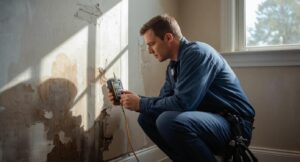
Contact a professional water damage restoration company as soon as you notice any of the signs described above. A professional assessment identifies the source of the moisture, determines how far the damage has spread using moisture detection equipment, and maps out the most efficient path to complete restoration.
Attempting to repaint or cosmetically repair water-damaged baseboards without addressing the underlying moisture source leads to recurring damage. The stains and warping return, mold continues to grow behind the surface, and the original repair work is wasted.
Americon Restoration of The Ohio Valley provides certified water damage restoration and mold remediation services throughout Warren, Niles, Youngstown, Howland, Austintown, Lordstown, Canfield, Cortland, and all surrounding Trumbull and Mahoning County communities. Our team addresses both the visible damage and any additional issues uncovered during the restoration process.
Find us on Google or contact us through our website to get expert help and restore your home to a safe and dry condition.
Frequently Asked Questions
1. Can water-damaged baseboards be repaired or do they need to be replaced?
It depends on the severity and duration of the moisture exposure. Lightly affected baseboards that are structurally sound may be salvageable with professional drying and treatment. Baseboards that are heavily warped, deeply stained, or showing mold growth typically need full replacement. A professional assessment gives you the most accurate answer for your specific situation.
2. How do I know if the water damage is inside the wall or just on the baseboard surface?
Surface staining and peeling paint on the baseboard often indicate moisture that originated inside the wall above or behind it. Professional moisture detection using thermal imaging cameras. Moisture meters locates hidden water accumulation inside walls and floors that visual inspection alone cannot reveal.
3. How quickly can mold develop after baseboard water damage?
Mold can begin colonizing inside damp materials within 24 to 48 hours under the right temperature and humidity conditions. Baseboards in warm, poorly ventilated spaces like bathrooms and basements are vulnerable to rapid mold development.
4. Is baseboard water damage covered by homeowners insurance?
Coverage depends on the cause of the damage and your specific policy. Sudden and accidental water damage from a burst pipe or appliance failure is typically covered. Gradual damage from a slow leak or ongoing condensation issues may not qualify. Document all damage thoroughly and contact your insurance provider as soon as possible after discovery.
5. What is the most important first step when I find baseboard water damage?
Stop the source of moisture if it is identifiable and safely accessible. Shutting off the water supply for a plumbing leak. Then contact a professional restoration company immediately to assess the full extent of hidden damage. To begin the drying and restoration process before mold and structural deterioration advance further.

 Loading...