
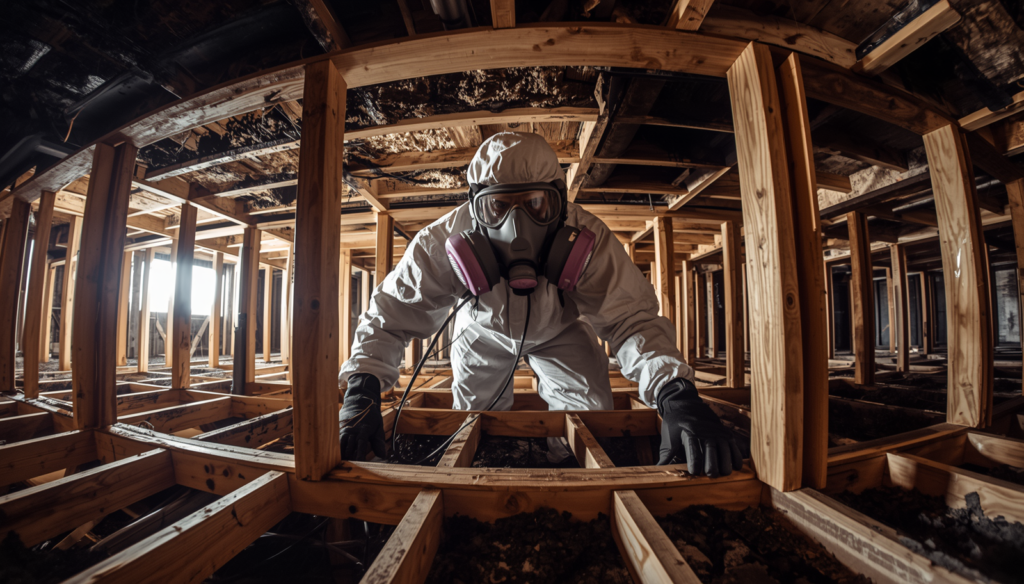
Crawlspaces may not be the most visible part of your Ohio Valley home, but they play a critical role in keeping your property safe and structurally sound. They provide access to essential utilities, support the structure above, and help manage air circulation beneath the living areas of your home.
They are also highly vulnerable to moisture problems, mold growth, and pest intrusion. When crawlspace issues go unaddressed, they spread upward into the rest of the home over time.
Crawlspace encapsulation is one of the most effective long-term solutions for protecting this critical space. Before you move forward with any work, here is everything Ohio Valley homeowners should know about the process, its benefits, and what it actually costs.
What Is a Crawlspace?
A crawlspace is the narrow area between the ground and the underside of your home’s first floor. It is typically too low to stand in, so anyone who needs to access it must crawl. This distinguishes it from a full basement, which provides standing height and usable storage or living space.
Crawlspaces serve three primary functions in a residential property:
Access to Utilities
Plumbing pipes, electrical wiring, and HVAC ductwork often run through the crawlspace. Technicians who need to perform maintenance or repairs on these systems access them from below through the crawlspace.
Ventilation
Crawlspaces help manage air circulation beneath the home. Proper ventilation prevents moisture from accumulating in the space below your floors. Without it, excess humidity creates conditions for mold growth, wood rot, and water damage throughout the structure.
Structural Support
The crawlspace helps distribute your home’s weight evenly across the foundation. It also acts as a buffer against soil movement and settling, which is especially relevant in the Ohio Valley where freeze-thaw cycles shift the ground regularly throughout winter and spring.
Not every home has a crawlspace. Depending on local climate conditions, soil stability, and construction era, some properties have full basements or concrete slab foundations instead.
What Is Crawlspace Encapsulation?
Crawlspace encapsulation is the process of sealing your crawlspace with a protective barrier of heavy-duty materials to defend it against outside elements. The goal is to create a controlled, clean environment beneath your home that resists moisture intrusion, mold growth, and pest access.
Encapsulation typically involves installing a thick vapor barrier across the floor and walls of the crawlspace, sealing vents and access points, and in some cases adding insulation and a dehumidifier to maintain stable conditions year-round. The result is a dry, sealed space that no longer allows ground moisture, humid outdoor air, or pests to freely enter from below.
For Ohio Valley homeowners, encapsulation is particularly valuable. The region’s humid summers, wet springs, and cold winters create persistent moisture pressure on crawlspaces that are left unprotected. Homes throughout Warren, Niles, Youngstown, Howland, Austintown, Lordstown, Canfield, and Cortland benefit directly from the moisture control and structural protection that encapsulation provides.
Benefits of Crawlspace Encapsulation
Crawlspace encapsulation delivers measurable benefits that affect your home’s health, comfort, and long-term value.
Moisture Control
Sealing the crawlspace keeps ground moisture from rising into the space below your floors. Excess moisture causes mold growth, wood rot, and progressive structural damage to floor joists and framing. Encapsulation maintains a consistently dry environment that prevents all of these problems from developing.
Improved Indoor Air Quality
An untreated crawlspace is a direct pathway for contaminated air into your living spaces. Air rises naturally from below through gaps in your flooring, carrying mold spores, allergens, and musty odors from the crawlspace into the rooms where your family spends time. Encapsulation stops this cycle and improves the air quality throughout your entire home.
Energy Efficiency
A properly encapsulated crawlspace reduces drafts from below and improves thermal performance throughout the home. This takes pressure off your HVAC system and can lower energy bills meaningfully, especially in older Ohio Valley homes where crawlspace air leakage has been ongoing for years without correction.
Pest Prevention
Rodents, insects, and other pests find untreated crawlspaces attractive because they are dark, damp, and difficult to monitor. An encapsulated crawlspace creates a sealed barrier that makes entry far more difficult. This reduces the risk of pest-related damage to insulation, wiring, and structural materials inside the space.
Increased Property Value
A properly encapsulated crawlspace signals to buyers that the home was well-maintained and protected against moisture-related damage. It adds measurable value to the property and removes a common inspection concern that can complicate real estate transactions.
How Crawlspace Encapsulation Works
Professional crawlspace encapsulation follows a structured process. While specific details vary based on your crawlspace’s size and condition, the general steps are consistent across most Ohio Valley installations.
Step 1: Assessment
A certified technician inspects the crawlspace to identify all existing problems before any sealing begins. This includes moisture damage, mold growth, pest evidence, damaged insulation, and structural concerns. Addressing these issues first is essential. Encapsulating over untreated problems traps them inside the sealed space and makes them harder and more expensive to fix later.
Step 2: Preparation
The technician clears debris, removes damaged materials, addresses any water damage, repairs compromised insulation, and seals off pest entry points. The crawlspace must be clean and dry before the encapsulation barrier goes in.
Step 3: Installation
Heavy-duty vapor barrier material covers the entire floor of the crawlspace and extends up the walls. This thick plastic sheeting is sealed at all seams and anchored securely along the walls to create a continuous moisture barrier with no gaps. Depending on the crawlspace’s specific needs, insulation may be added to the walls and a dehumidifier installed to maintain consistent humidity levels year-round.
Step 4: Finishing
Final steps include sealing all vents and access points, installing airtight doors or covers over entry hatches, and verifying proper drainage to prevent any water from pooling inside the encapsulated space. A properly finished encapsulation leaves no pathways for moisture or outside air to re-enter.
How Much Does Crawlspace Encapsulation Cost?
The cost of crawlspace encapsulation varies based on several factors specific to your property.
Crawlspace Size
Larger crawlspaces require more material and more labor. Size is the single biggest driver of total cost in most encapsulation projects.
Existing Conditions
If your crawlspace already has moisture damage, active mold, or pest infestations, these issues must be remediated before encapsulation begins. Pre-encapsulation remediation adds to the total project cost but is a necessary step that cannot be skipped.
Materials
The thickness and quality of vapor barrier material, the type of insulation used, and whether a dehumidifier or sump pump is included all affect the final price. Higher-quality materials carry a higher upfront cost but deliver better long-term performance.
Accessibility
Crawlspaces that are difficult to access or require special equipment to work in take more time to encapsulate and increase overall labor costs.
Location and Market Conditions
Labor and material costs vary by region. Ohio Valley pricing reflects local market conditions, which differ from national averages in some areas.
In general, most Ohio Valley homeowners can expect to invest anywhere from a few thousand to several thousand dollars for a complete professional encapsulation. The upfront cost is real, but the long-term savings in energy bills, avoided repairs, and increased property value consistently make it a sound investment for homes throughout Mahoning and Trumbull County.
When Should Ohio Valley Homeowners Consider Crawlspace Encapsulation?
Encapsulation is worth considering if you notice any of the following in your home:
- Persistent musty odors coming from below the floors
- Visible mold or moisture damage on floor joists or crawlspace walls
- Higher than normal energy bills from HVAC inefficiency
- Evidence of rodents or insects accessing the crawlspace
- Soft or springy spots in your floors suggesting wood rot below
- Condensation forming on pipes or structural materials in the crawlspace
Any of these signs indicate that your crawlspace is already allowing moisture and air quality problems to affect your home. Encapsulation addresses the root cause rather than just the visible symptoms.
Trust Americon Restoration of The Ohio Valley for Crawlspace Services
Crawlspace encapsulation is a smart investment for protecting your Ohio Valley home from moisture damage, mold growth, and the structural deterioration that follows when crawlspace problems go unaddressed for years.
Americon Restoration of The Ohio Valley provides professional crawlspace services throughout Warren, Niles, Youngstown, Howland, Austintown, Lordstown, Canfield, Cortland, and all surrounding Trumbull and Mahoning County communities. Our certified technicians assess your crawlspace thoroughly, address any existing damage, and deliver complete encapsulation solutions for residential properties of all sizes.
Find us on Google or contact us through our website to schedule a consultation and take the first step toward a healthier, better-protected home.
Frequently Asked Questions
1. Is crawlspace encapsulation worth it?
Yes, for most Ohio Valley homes. The benefits of moisture control, improved air quality, energy savings, and pest prevention consistently outweigh the upfront cost. Homes with existing moisture problems, older plumbing, or a history of mold issues see the most immediate and measurable return from encapsulation.
2. What is the difference between a vapor barrier and full encapsulation?
A vapor barrier is a single layer of plastic sheeting placed on the crawlspace floor. Full encapsulation covers the floor and walls, seals all vents and access points, and often includes insulation and a dehumidifier. Full encapsulation provides significantly more comprehensive protection than a floor-only vapor barrier.
3. How long does crawlspace encapsulation last?
A professionally installed encapsulation with quality materials typically lasts 15 to 20 years or more with minimal maintenance. Periodic inspections help catch any seal failures or moisture issues early before they require significant repair.
4. Does crawlspace encapsulation prevent mold?
It significantly reduces mold risk by eliminating the moisture conditions mold requires to grow. However, if mold is already present when encapsulation begins, professional mold remediation must be completed first. Encapsulating over existing mold traps the problem inside the sealed space.
5. Will encapsulation help with musty odors in my home?
Yes. Musty odors that come up through floors and living spaces often originate in a damp, untreated crawlspace below. Sealing the crawlspace stops contaminated air from rising into the home and typically eliminates these odors within a short period after installation.

 Loading...