
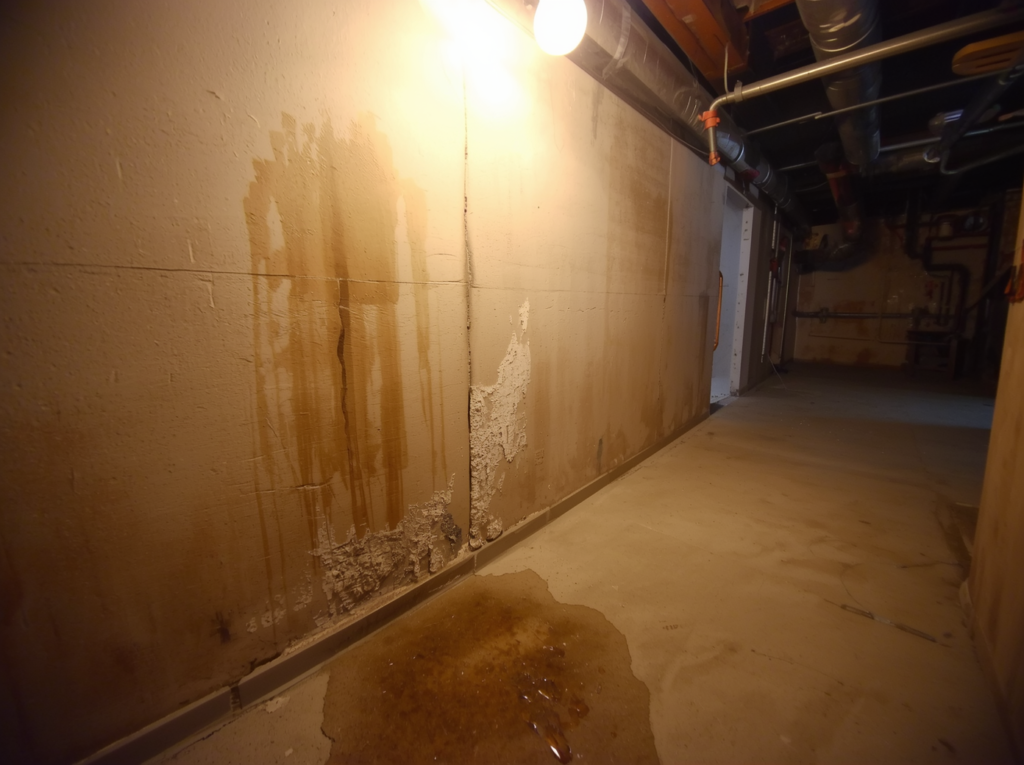
A water stain on your ceiling. A musty smell in the basement that will not go away. These may seem like minor annoyances at first, but they are often the earliest signs of water intrusion. What is happening behind your walls or under your floors may be far more serious than what you can see from the surface.
If you think water is getting into your Ohio Valley home, this guide walks you through everything you need to know. It covers the most common causes of water intrusion, how to spot it early, what steps to take immediately, and when to call a professional restoration company for help.
Key Takeaways
- Water intrusion does not always announce itself. A musty smell, peeling paint, or a small water stain may be the only visible sign of a much bigger hidden problem.
- Common causes include foundation cracks, roof damage, poor drainage, and failing window or door seals.
- The source of water intrusion is not always where the damage appears. Water can travel far through a structure before you notice visible symptoms.
- Addressing water intrusion early prevents more expensive problems down the road including mold growth and structural damage.
- Knowing when to call a professional saves you time, money, and the stress of dealing with recurring damage.
What Is Water Intrusion?
Water intrusion is what happens when water enters your home in places it does not belong. It can seep in gradually through a hairline crack in your foundation or rush in suddenly through storm-damaged roofing. Either way, the damage it causes grows steadily the longer it goes unaddressed.
The real danger is not always the water itself. It is what happens next. Left unchecked, water intrusion leads to wood rot, mold growth, damaged insulation, and compromised structural integrity throughout the affected areas of your home.
Basement flooding is the most dramatic form of water intrusion, but moisture does not have to be visible to cause serious problems. Water seeping slowly through a wall can quietly cause thousands of dollars in damage before you ever notice a single visible symptom. Ohio Valley homeowners in Warren, Niles, Youngstown, Howland, Austintown, Lordstown, Canfield, and Cortland face water intrusion risks year-round from heavy rainfall, spring snowmelt, aging foundations, and the freeze-thaw cycles that put enormous stress on older homes throughout Mahoning and Trumbull County.
Common Causes of Water Intrusion in Ohio Valley Homes
Water intrusion does not happen without a cause. Understanding the most common entry points helps you identify problems faster and make better-informed repair decisions.
Exterior and Roofing Issues
Damaged or missing roof shingles, clogged gutters, and improper grading around your home’s foundation all direct water toward your structure instead of away from it. Ohio Valley winters are particularly hard on roofing materials. Ice dams, freeze-thaw damage, and heavy snow loads accelerate shingle and flashing deterioration, creating entry points for water that were not present the previous season.
Foundation and Structural Gaps
Cracks in your foundation walls, gaps around windows and doors, and deteriorating mortar joints give water a direct entry point into your home. Even small gaps allow moisture to accumulate steadily over time. In the Ohio Valley, repeated freeze-thaw cycles expand even minor foundation cracks every winter, turning what was a hairline crack into a meaningful water entry point by spring thaw.
Plumbing and HVAC Problems
Leaking supply lines, failing appliance connections, and condensation from HVAC systems cause water damage from the inside out. These sources are particularly insidious because they produce slow, hidden moisture accumulation inside wall cavities and below flooring that is invisible until significant damage has already occurred.
When you notice any water-related damage in your home, always look for the root cause before making any repairs. If water found a way into your home once, it will find the same path again unless the original entry point is permanently fixed.
Signs of Water Intrusion to Watch For
Your home provides clues when water is entering where it should not be. Knowing what to look for allows you to act quickly before a manageable repair turns into a major and costly project.
Visible Signs
- Water stains or discoloration on ceilings or walls
- Peeling or bubbling paint on any surface
- Warped or buckled flooring
- Rust stains near the base of your foundation
- Pooling water near your home’s exterior base after rainfall
- Damaged, curling, or missing roof shingles
Hidden Signs
- A persistent musty odor with no obvious source
- Unexplained spikes in your water bill
- Increased allergy or respiratory symptoms among household members
- Soft or spongy wall sections when pressed
- Condensation forming repeatedly on interior surfaces
The sooner you identify these warning signs, the faster you can address the problem and avoid the extensive repairs that come with prolonged water intrusion. Waiting too long can mean full-scale mold remediation, structural repairs, or significant reconstruction work that could have been prevented with earlier action.
Water Intrusion Repair Steps
Acting quickly is essential when you discover water intrusion in your home. Here are the steps to take immediately while you arrange professional help.
Step 1: Stop the Water Source
If the intrusion is coming from a plumbing issue, shut off the water supply to that area or your entire home right away. For roof or foundation intrusion during an active storm, temporary tarping or sealing can limit additional water entry until professional repairs are made.
Step 2: Remove Standing Water
Use mops, towels, or a wet/dry shop vacuum to remove as much standing water as possible. Every gallon you remove reduces the volume absorbed into flooring, walls, and structural materials. Work quickly and methodically from the deepest areas outward.
Step 3: Begin Drying the Area
Open windows when weather permits, run fans throughout the affected space, and deploy dehumidifiers to begin removing moisture from the air. Moisture that lingers inside walls, floors, and ceilings leads to mold growth within 24 to 48 hours. Consumer drying equipment has real limitations in serious water intrusion situations, which is why professional extraction and structural drying equipment is needed for complete results.
Step 4: Assess All Visible Damage
Once the immediate water is addressed, inspect all affected flooring, drywall, insulation, and personal belongings. Document everything thoroughly with photos and video before any materials are removed or repaired. This documentation is essential for your insurance claim.
Step 5: Call a Professional Restoration Team
Americon Restoration of The Ohio Valley provides complete water intrusion assessment, extraction, structural drying, and repairs. Our certified technicians locate the full extent of moisture damage using thermal imaging cameras and moisture meters that reveal hidden accumulation inside walls and floors that visual inspection alone cannot find.
Step 6: Fix the Root Cause
Restoration work is only complete when the original water entry point is permanently addressed. Our team identifies and corrects the source of intrusion so that water does not return through the same path again.
When to Call a Professional for Water Intrusion Repair
Some minor water intrusion situations — like caulking a small gap around a window or clearing a clogged downspout — may be manageable on your own. Most water intrusion situations, however, require professional intervention.
Water travels far from its entry point, saturating materials along the way and causing hidden damage that is not visible without specialized detection equipment. A restoration professional brings the right tools, training, and real-world experience to locate the full scope of damage and address it completely.
Always call a professional when:
- The water intrusion keeps recurring despite attempted repairs
- Contaminated water or sewage is involved anywhere in the affected area
- Mold growth is visible or a persistent musty odor is present
- The affected area spans multiple rooms or levels of the home
- You cannot identify the original source of the water entry
Americon Restoration of The Ohio Valley handles water intrusion repair throughout Warren, Niles, Youngstown, Howland, Austintown, Lordstown, Canfield, Cortland, and all surrounding Trumbull and Mahoning County communities. Find us on Google or contact us through our website for 24/7 emergency response.
Tips to Prevent Water Intrusion in Ohio Valley Homes
Once you have addressed an existing water intrusion problem, prevention becomes your most important long-term investment. Regular maintenance keeps water outside where it belongs and protects your home from recurring damage.
- Inspect your roof each year and after any major storm event
- Clean gutters and downspouts at least twice a year to keep drainage clear
- Check window and door seals regularly and replace caulk before it fails
- Monitor your water bill monthly for unexplained increases that could signal a hidden leak
- Address small foundation cracks promptly before freeze-thaw cycles expand them further
- Ensure your yard grades away from your foundation to direct surface water outward
- Test your sump pump before each wet season to confirm it is working properly
Ohio Valley homeowners face a particularly demanding environment for water intrusion prevention. Harsh winters, heavy spring rainfall, and sustained periods of high summer humidity all create recurring pressure on your home’s defenses. Staying on top of regular maintenance is the most cost-effective way to avoid the significant repair bills that water intrusion produces when it goes undetected.
Frequently Asked Questions
1. Does homeowners insurance cover water intrusion repair?
Coverage depends on the cause of the intrusion and your specific policy. Sudden and accidental water damage from burst pipes, storm damage, or appliance failures is typically covered under standard homeowners insurance. Gradual leaks from long-term maintenance neglect and external flooding from storms usually require separate coverage endorsements. Contact your insurer immediately after discovering any water intrusion and document all damage thoroughly before cleanup begins.
2. How do I stop water from getting into my home?
Identify the entry point and seal it permanently. That could mean repairing foundation cracks, replacing damaged roofing or flashing, resealing window and door frames, or fixing a plumbing failure inside the wall. A professional assessment is the most reliable way to find and permanently fix water intrusion, particularly when the source is not immediately obvious from the visible damage.
3. How long can water intrusion go undetected?
Slow water intrusion through foundation walls, roof penetrations, or hidden plumbing leaks can go undetected for months or even years. By the time visible symptoms appear on walls and ceilings, significant hidden moisture and mold damage has often already developed inside the structure. Periodic professional inspections and monitoring your water bill regularly are the best ways to catch slow intrusion before it causes extensive damage.
4. Can water intrusion cause mold?
Yes, and it does so quickly. Mold can begin colonizing inside damp wall cavities and under flooring within 24 to 48 hours of water exposure. Ohio Valley summers create particularly favorable mold conditions with warm temperatures and high humidity. Any water intrusion event that is not fully dried within the first 24 to 48 hours creates a meaningful mold risk that requires professional assessment.
5. What is the difference between water intrusion and flooding?
Flooding typically refers to large-scale water events from external sources like storms, overflowing rivers, or sewer backups that bring significant volumes of water into the home rapidly. Water intrusion usually refers to smaller, persistent water entry through structural pathways like foundation cracks, roof gaps, or failing seals. Both require professional response, but water intrusion is particularly dangerous because it often goes undetected for long periods and causes progressive hidden damage throughout the structure.

 Loading...