What to Do After Water Damage: Essential Steps for Ohio Valley Property Owners
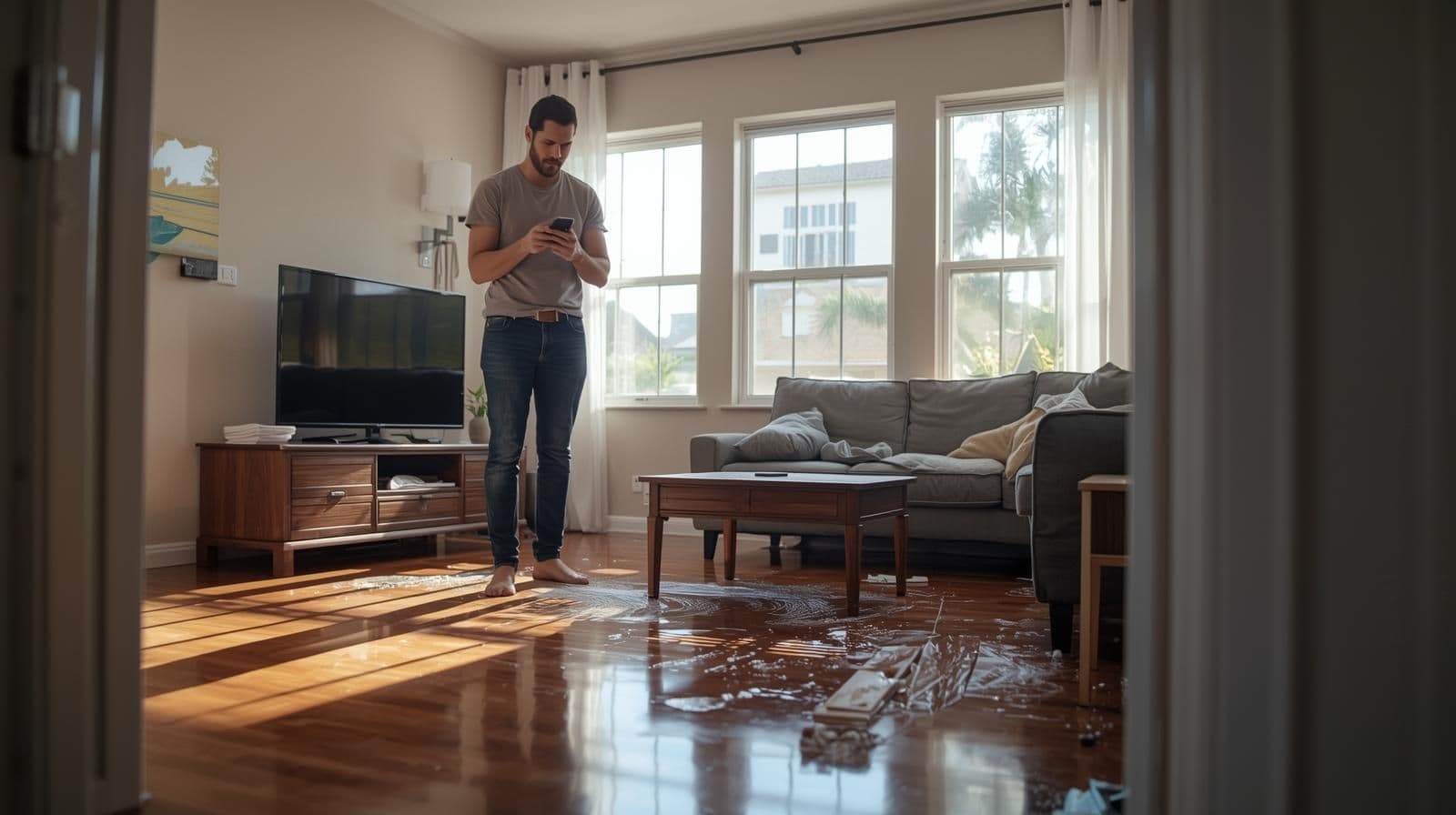
The first 24 to 48 hours after water damage are the most critical. Here's what Ohio Valley property owners should do right away.
The first 24 to 48 hours after water damage decide whether you get a quick recovery or a long, expensive one. Water spreads through building materials by the hour, mold can start within a day or two, and the steps you take, in the right order, protect both your home and your insurance claim.
This guide is the order of operations for Ohio Valley property owners, whether the water came from a burst pipe, a roof leak, an appliance failure, or flooding in Warren, Niles, Youngstown, Howland, Austintown, Lordstown, Canfield, Cortland, or anywhere in Trumbull and Mahoning County.
If the water is still coming in or you need help now, call Americon Restoration of The Ohio Valley at (330) 238-3927. We respond 24/7.
The First 30 Minutes: Quick Checklist
- Stay safe: keep out of standing water while power is on, and never touch wet electrical equipment.
- Stop the water at the source or shut off the main supply.
- Photograph and video everything before you move or clean anything.
- Call your insurance provider to report the damage.
- Call a professional restoration company for assessment and extraction.
The rest of this guide walks through each phase in detail.
Why the First 24 to 48 Hours Matter
Water damage accelerates. Within the first hour, water penetrates porous materials: drywall, insulation, carpeting, and wood. By 24 hours, those materials are significantly saturated, structural weakening begins, and mold spores start colonizing damp surfaces. After 48 hours, mold growth accelerates, wood warps and swells, metal corrodes, and electrical systems face serious compromise.
Ohio Valley homes face extra pressure on this timeline. Older construction in Warren, Niles, and Youngstown uses materials that absorb water readily, and the region's humidity and harsh winters make natural drying slow and unreliable. That is why the sequence below is ordered the way it is.
Immediate Actions: The First 30 Minutes
Step 1: Ensure Personal Safety First
Never enter standing water while electrical power is active; electrocution is a deadly risk. If water levels are significant, contact emergency services rather than entering on your own. Older properties can also hide structural damage that creates collapse risks.
Know your water category. Sewage, gray water from washing machines or dishwashers, and external floodwater (Categories 2 and 3) carry pathogens and require professional protective equipment. Clean water from a supply line (Category 1) is the only kind safe to handle yourself, and only in small amounts.
Step 2: Stop the Water Source
Shut off the water at the source if you can do it safely. For burst pipes or plumbing failures, close the nearest shutoff valve or the main supply. For appliance leaks, disconnect the appliance's power and water. For roof leaks during a storm, temporary tarping comes later, once conditions allow safe access.
Every household member should know where the main shutoff valve is before an emergency: typically near the water meter, where the main line enters the property, or in the basement. Label it. Those saved minutes matter.
Step 3: Document Everything
Before moving or removing anything, photograph and video all damage from multiple angles: water levels, ceiling damage, wall staining, flooring, and every affected belonging. Photograph each room from several positions, take close-ups of specific damage, and record a narrated video walkthrough. Note dates and times.
This documentation is the foundation of your insurance claim. Adjusters pay for what they can verify, and damage documented before cleanup is worth far more than damage described after it.
Step 4: Contact Your Insurance Provider
Report the damage within hours of discovery. Most policies require prompt notification, and delays can complicate the claim. Give the claims department your documentation and ask three things: what immediate mitigation the policy requires, what your coverage includes for this cause of loss, and what they need from you next.
Most policies also require you to take reasonable steps to prevent further damage (shutting off water, covering a roof leak). Doing the steps in this guide is both good recovery and a policy obligation.
Step 5: Call Professional Restoration Services
Even limited-looking water damage hides moisture inside walls, floors, and structural cavities, where it does its worst damage invisibly. Professionals bring moisture detection equipment, industrial extraction, and commercial drying that household equipment cannot match. Americon Restoration of The Ohio Valley responds 24/7 across the Ohio Valley; the assessment comes first, and work begins immediately after.
Hours 1 to 24: Limiting the Damage
Remove Standing Water
If it is safe, start removing water with mops, towels, a wet vacuum, or buckets. Every gallon out is a gallon not soaking into materials. Never attempt removal around electrical hazards, contaminated water, or volumes beyond safe DIY handling; professional extraction is faster and safer.
Extract Water from Carpeting and Upholstery
Blot carpeting and upholstered furniture with towels, pressing firmly to draw out moisture. Do not scrub or rub, which damages fibers and spreads contamination. Extensively saturated or valuable carpeting needs professional cleaning to prevent mold and preserve the material.
Elevate Furniture Off Wet Flooring
Place aluminum foil squares, plastic cups, or wooden blocks under furniture legs on damp floors or carpet. This stops moisture wicking into the furniture, reduces staining, and lets air circulate underneath.
Remove Wet Contents to Dry Areas
Move undamaged belongings, documents, electronics, and valuables to dry areas, prioritizing the irreplaceable: photographs, important papers, heirlooms. Handle wet electronics carefully and never power them on before professional inspection and drying.
Promote Air Circulation
Open windows and doors when outdoor conditions permit (not during rain or extreme humidity). Run fans directing airflow across wet surfaces, and open closet, cabinet, and interior doors. Never operate electrical equipment in standing water or near wet outlets.
Begin Monitoring for Mold
Watch affected areas for musty odors, visible growth, or discoloration. Mold colonization can begin within 24 to 48 hours, which is why monitoring starts on day one, not after drying.
Days 2 to 7: Professional Restoration and Monitoring
Professional Water Extraction and Drying
This stage is called water remediation: the professional process of removing water, drying the structure, and treating affected materials so damage does not progress. Truck-mounted extraction removes water far beyond consumer equipment's reach. Industrial dehumidifiers and commercial air movers then run continuously for 3 to 7 days, depending on severity, materials, and conditions. Ohio Valley weather, summer humidity, spring thaw moisture, cold winters, works against natural drying, which is why commercial equipment is essential here.
Moisture Detection and Monitoring
Professionals map moisture with thermal imaging cameras and moisture meters, then monitor daily to track drying and catch hidden accumulation. In older Ohio Valley construction, with its hidden cavities, dense materials, and complex framing, moisture hides invisibly; without detection it drives progressive damage, mold, and structural deterioration that surfaces months later.
Antimicrobial Treatment
When water came from a contaminated source, or conditions favor mold, professional antimicrobial treatments prevent colonization. This matters most in basement water damage, sewage backups, and flooding, all common in Ohio Valley storm events. If the water is in your basement specifically, our flooded basement guide covers that emergency in full.
Structural Assessment and Repairs
Drywall soaked for extended periods typically needs replacement. Framing showing warping, weakness, or mold may need replacement too, and flooring frequently suffers irreversible damage. Americon coordinates all repairs so the property returns to its pre-loss condition without you managing multiple contractors.
What It Costs, Briefly
Professional mitigation for a typical residential water loss runs from the hundreds for a small, single-room clean-water job into the thousands when several rooms, contaminated water, or reconstruction are involved. The biggest cost variable is time: the same job costs far more after a week of spread and mold than it does on day one. Our water damage restoration costs guide breaks down the per-square-foot rates and repair ranges in detail.
What NOT to Do After Water Damage
- Do not delay professional help. Every day of delay adds spread, mold risk, and cost.
- Do not use a household vacuum on standing water. Standard vacuums are an electrical hazard in water; only wet-rated equipment is safe.
- Do not assume visible drying means complete drying. Surfaces dry weeks before wall cavities do. Hidden moisture is the main cause of post-incident mold.
- Do not paint or repair before drying is complete. Sealing moisture behind new paint or drywall traps it and guarantees mold and failure.
- Do not remove standing water near electrical systems. Power off first, or stay out and call for help.
The Insurance Claim Process: What to Expect
Initial claim filing. You report the loss, ideally within hours, with your photo and video documentation. The insurer opens a claim and assigns an adjuster.
Adjuster inspection. The adjuster visits to assess the damage and determine coverage. Your documentation, plus the restoration company's scope of work, is what they rely on. Having both ready speeds this up.
Restoration company coordination. A good restoration company communicates directly with the adjuster, shares moisture readings and scopes, and documents additional damage found during drying, so supplements are handled inside the claim rather than fought over later.
Settlement and payment. The insurer settles based on the documented scope. Our guide to understanding the insurance process explains each stage of a property claim in full, including what to do if a claim is denied.
Ohio Valley-Specific Considerations
Winter Freeze Damage
Burst pipes from freezing create delayed flooding: a frozen section blocks flow, then releases substantial water during thaw, hours or days after the initial failure, catching owners unprepared. Frozen ground also blocks drainage, driving foundation intrusion during spring thaw.
Basement Water Damage in Older Properties
Many Ohio Valley homes have basements with limited waterproofing, aging foundations, and high water tables. These need specialized attention: chronic seepage addressed at the source, not just the latest incident dried.
Historic Construction
Older and historic homes use materials and assemblies that trap moisture and dry slowly, and replacements must match existing construction. Moisture mapping matters more here than anywhere.
Storm and Flood Damage
Severe storms overwhelm drainage and sewers across the region several times a year. Know in advance that standard homeowners insurance excludes rising-water flooding (separate flood insurance covers it), while sewer backup usually needs a specific endorsement.
Frequently Asked Questions
Does homeowners insurance cover water damage?
Usually, when the cause is sudden and accidental: a burst pipe, a failed water heater, an appliance leak. Gradual leaks, neglect, and rising-water flooding are typically excluded; flood damage needs a separate flood policy, and sewer backup usually needs an endorsement. Report promptly, document everything, and check your specific policy.
Does renters insurance cover water damage?
Renters insurance covers your belongings for the same sudden, accidental causes, like a burst pipe ruining furniture and electronics in your unit. It does not cover the building (that is the landlord's policy), and rising-water flood damage to belongings is generally excluded unless the policy carries flood coverage.
What is water remediation?
Water remediation is the professional side of water damage recovery: extracting the water, drying the structure with commercial equipment, treating materials with antimicrobials where needed, and monitoring moisture until levels are safe. It is the stage between the emergency and the repairs.
How long does water damage restoration take?
Extraction happens on day one. Structural drying typically runs 3 to 7 days. Repairs after drying take days to weeks depending on how much drywall, flooring, and framing must be replaced. Major losses with reconstruction can run several weeks in total.
Can I stay in my home during water damage restoration?
Usually, yes, for contained jobs: the work area can be isolated while drying equipment runs. If the damage involves sewage, covers your only bathroom or bedrooms, or the home has no safe power or water, a short stay elsewhere may be necessary. Your restoration company will tell you after the assessment.
Protect Your Ohio Valley Property
Water damage rewards speed and punishes delay at every stage. Americon Restoration of The Ohio Valley handles the full sequence, assessment, extraction, drying, treatment, and repairs, and documents everything for your claim along the way. If you are dealing with water damage now, call (330) 238-3927. The first call is the step that makes every other step cheaper.